Focus Keyword: Vegetables
Introduction: Fun Ideas to Add More Flavor to Veggies
Vegetables should be plain and boring. No way! If you have the right ingredients and preparation techniques in hand, even the simplest vegetables can be transformed into delicious meals. A dash of seasoning, aromatic herbs, and just the right amount of heat can make all the difference.
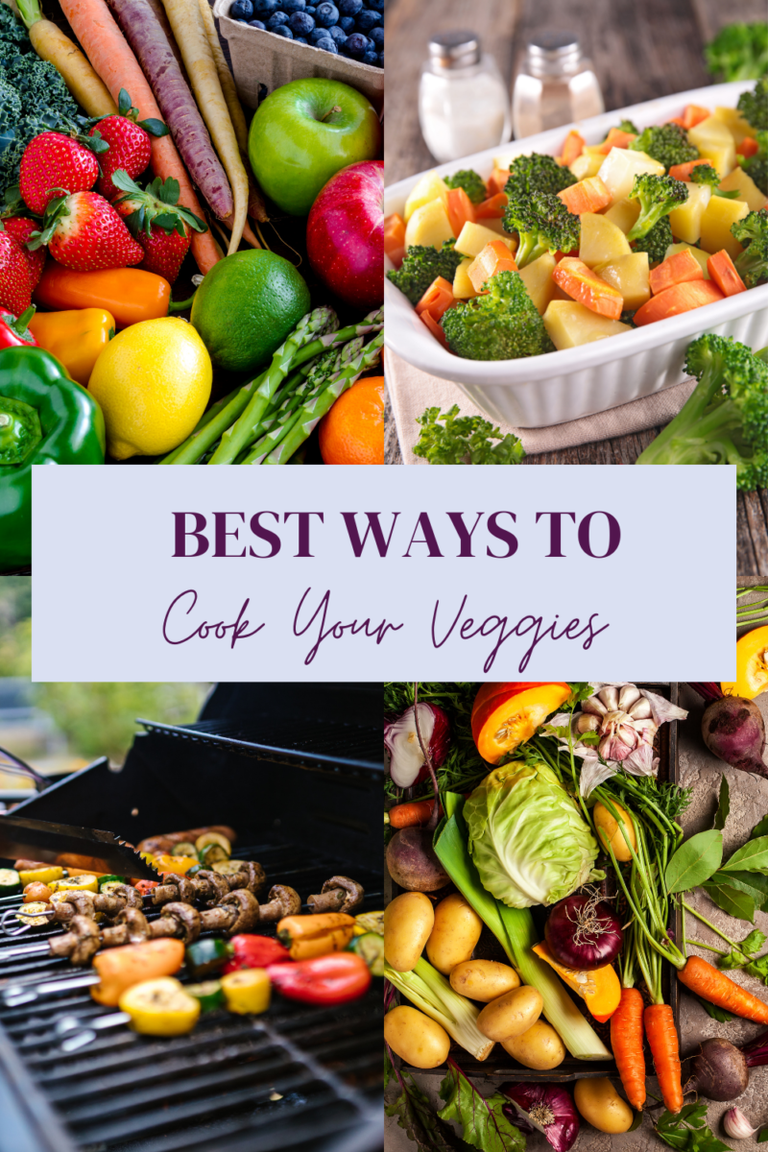
Vegetables can be cooked in lots of fun ways without expensive ingredients or fancy tools. Roasting enhances natural sweetness, pan-frying will give veg a crispy exterior and a soft centres and, by combining a variety of veg, you will have a colorful and textural feast for the eyes.
In this article: Discover new cooking inspiration, get new and simple recipes, understand new preparation techniques and learn simple and easy cooking techniques for the kitchen. Each idea is a new flavor and cuisine!
1. Creative Ways to Choose Fresh Vegetables
Pick high quality vegetables. Because we all want to prepare tasty dishes, we should buy fresh, high quality ingredients with better texture, color and taste.
- Carrots: Select firm carrots that are deep orange in color and have smooth skins.
- Broccoli: Yellow patches on the florets.
- Bell Peppers: Choose peppers with shiny skin and firm sides.
- Cauliflower: Pick a fresh looking, firm, clean head with densely packed florets.
- Zucchini: The size of small or medium zucchini, these feel firm to the touch.
- Green beans: Look for beans that are bright green and the beans will be firm and squeak when they are snapped.
See if you can get vegetables that are seasonal. Together with taste, they can help with grocery bills too.
2. Creative Ways to Prepare Vegetables Before Cooking
If ingredients are well prepared, cooking will be a bit easier, and all ingredients will be cooked evenly.
- Give a thorough wash: Clean vegetables with clean, running water.
- Cut uniformly: Turn them into uniform-sized pieces, which will ensure similar cooking times.
- Eliminate the unnecessary: Cut away damaged areas, coarse stems, and unnecessary leaves.
- Removing excess water from vegetables before roasting will increase the chances of browning.
- Different cooking times: Carrots (hard vegetables) take more time to cook than zucchini (soft vegetables).
- Do not prepare vegetables too far ahead of time. Store them properly in order to retain their texture and fresh state.
3. Creative Options For Crispy Roasted Vegetables
Roasting is a simple way to cook and gets great results. High oven temperatures help end up with golden edges on the vegetables yet keep the interior tender.
Ingredients:
- 1 cup broccoli florets
- 1 medium-sized carrot
- 1 small zucchini
- 1 red bell pepper
- 2 tbsp olive oil
- ½ teaspoon garlic powder
- ½ teaspoon paprika
- ¼ teaspoon black pepper
- ½ teaspoon salt
- 1 teaspoon dried herbs
How to prepare and cook:
- Preheat the oven to 220°C (425°F).
- Wash all vegetables and towel dry with a clean dish towel.
- Slice the carrot into thin disks, cut the zucchini into half-moons, and the bell pepper into small chunks.
- Combine all the vegetables in a large mixing bowl.
- Add an olive oil, garlic powder, paprika, black pepper, salt, and dried herbs.
- Mix until the seasoning is evenly distributed over the vegetables.
- Bake the mixture on a baking tray in a single layer.
- Cook for 20-25 mins, turning the sausages over half way.
- Ensure the carrots are cooked through and they are starting to brown.
- Remove from the oven and serve warm.
How to make the roasted root vegetables: Cooking tip: Do not crowd the baking tray. If there are too many veggies in a single layer, they will trap moisture and not brown evenly.
4. Creative Ways to Cook a Vibrant Vegetable Stir-Fry
For a speedy dish with varied textures, this one is perfect. High heat ensures the veggies stay just a little crunchy.
Ingredients:
- 1 cup shredded cabbage
- 1 medium carrot
- ½ cup bell peppers, sliced
- ½ cup broccoli florets
- ½ cup sliced mushrooms
- 2 tablespoons cooking oil
- 2 cloves garlic, minced
- 1 tb soy sauce
- Black pepper, ½ teaspoon
- 1 tsp lemon juice
How to Prepare and Cook:
- Before heating up the pan, wash and prepare all the vegetables.
- Julienne the carrot, slice the mushrooms and bell pepper.
- Heat cooking oil in a large frying pan or wok.
- Place the minced garlic and saute until fragrant, approximately 30 seconds.
- Add carrots and broccoli before other vegetables.
- Stir for 3-4 minutes.
- Add cabbage, bell pepper, and mushrooms.
- Cook for another 3-5 minutes stirring.
- Add soy sauce and Black pepper.
- Add lemon juice and mix everything gently.
- Take off the heat once vegetables are tender but still have a crunch.
- This stir-fry is best served with cooked rice, noodles, or warm flatbread.
Food Tip: Do not overdose and retain medium high heat to bring out the texture of vegetable.
5. Creative Ideas for Making a Creamy Vegetable Soup
Pureed Vegetable Soup Enjoy some familiar ingredients in a new way. Pureed cooked vegetables create a thick texture without requiring copious amounts of cream.
Ingredients:
- 1 medium potato
- 1 carrot
- ½ cup cauliflower
- ½ cup broccoli
- 1 small onion
- 2 garlic cloves
- 3 cups of vegetable stock
- 1 tablespoon butter or olive oil
- ¼ teaspoon black pepper
- ½ teaspoon salt
- 2 tbsp milk (optional)
Preparation and Cooking Instructions:
- Peel the potato and the carrot, and slice them into small cubes.
- Wash the cauliflower and the broccoli and separate into flowers.
- Pour the butter or olive oil into a cooking pot and heat it.
- Add chopped onion and garlic.
- Cook for 2 minutes until the onion has softened.
- Add potato, carrot, cauliflower, and broccoli.
- Pour in the vegetable stock.
- Bring the mixture to a gentle boil.
- Reduce the heat and cover the pot.
- Let simmer 15-20 minutes until the vegetables are cooked through.
- Allow the mixture to cool down slightly and then blend.
- Puree until smooth and then put the soup back in the pot.
- Add a splash of milk, if using, and season to taste with salt and freshly ground black pepper.
- Warm through, but not to the boil, too quickly.
Cooking tip: If the soup is too thick, add a little extra vegetable stock. To serve: Finish with some fresh parsley or a squeeze of lemon juice for added zing.
6. Different ways to make stuffed bell peppers
You get a fabulous combo of veg, rice, and seasoning all baked into a gorgeous package with stuffed bell peppers. The shape makes perfect bowls for tasty fillings.
Ingredients:
- 3 medium bell peppers
- 1 cup cooked rice
- ½ cup of finely chopped tomatoes
- ¼ cup sweet corn
- ¼ cup chopped carrots
- ¼ cup chopped onions
- 1 tbsp olive oil
- ½ teaspoon paprika
- ½ teaspoon black pepper
- ½ teaspoon salt
- ¼ cup shredded cheese (optional)
How to Make and Cook:
- Preheat the oven to 190°C (375°F).
- Rinse the pepper and remove the caps.
- Remove the seeds and white inner membranes.
- Heat olive oil in a frying pan.
- Add chopped onions and carrots.
- Cook for 3 minutes until slightly soft.
- Add tomatoes and sweet corn.
- Add paprika, black pepper and salt into the mixture.
- Mix in the cooked rice and mix everything well.
- Stuff each bell pepper with the filling.
- Stand the peppers up in a baking dish.
- Cover loosely with foil, and bake 25 minutes.
- Remove the foil, stir in the shredded cheese if needed.
- Cook for an additional 8-10 minutes or until the peppers are soft.
Kitchen Tip: To keep your peppers from tipping over while baking, buy ones that have a flat bottom. Don’t fill your peppers too full as they need some space to heat through.
7. Creative Ways to Add Flavor With Herbs and Spices
The right seasoning can be a key factor in the final flavor of vegetarian dishes. Herbs and spices can give a variety of exciting flavor combinations that don’t need a complicated recipe.
Garlic and paprika:
This herb mixture is a sweet spice for carrots, potatoes and cauliflower.
Black pepper and lemon:
For the broccoli and green beans, it gives a fresh, slightly vinegary flavor.
Cumin and coriander:
Goes nicely with potato, carrot and mixed vegetable dishes.
Oregano and basil:
Imparts flavor to zucchini, tomatoes and peppers.
Chili flakes, garlic:
Bring about a more flavorful taste for fried vegetables.
These add an earthy, warming taste to cauliflower and potatoes.
Begin with small amounts of your seasonings and season to your taste. When you add large amounts of seasonings, especially spice, it can mask the essence of the vegetables.
8. Creative Ways to Try Different Vegetable Combinations
Mixing up vegetables of all colors and textures can add interest to your plate.
Suggested pairings to try:
Carrot and Green Peas: Their sweetness goes good with rice dishes and lightly- seasoned side dishes.
Broccoli and Cauliflower: They make a fabulous pair of broccoli and cauliflower! Roast them with garlic and herbs.
They make a hearty pairing in skillet dishes.
Zucchini and Tomatoes-Their tender textures are perfect in baked goods and vegetable sauces.
Cabbage and Carrots: Good for stir-fry, fresh salads and lightly cooked side dishes.
For a tastier meal, keep in mind, the length of cooking time. Add the more firm ingredients first, and add the more tender ones later.
9. Creative Ways to Serve Vegetable Dishes
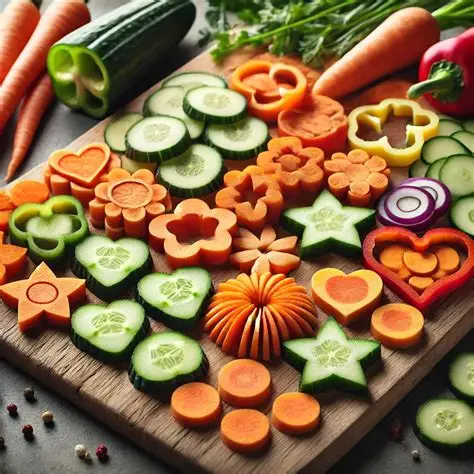
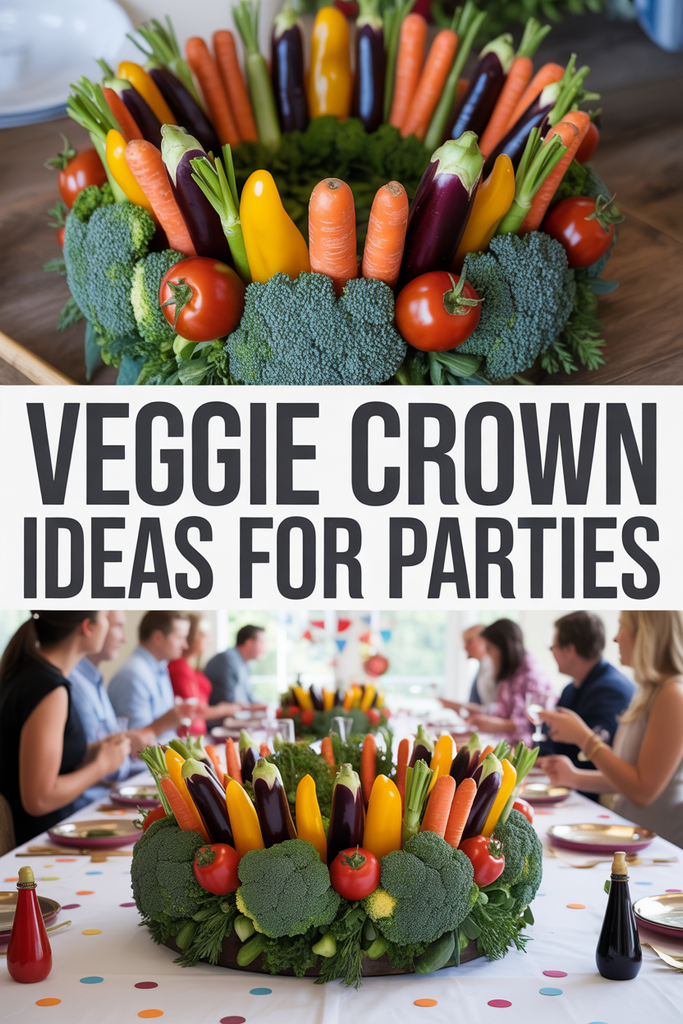
Presentation helps to make home cooking look more impressive. There are a few little touches that can be added to your home cooking to make it look more attractive.
- Dividing roasted vegetables by color is better than mixing them.
- Scatter some freshly chopped parsley on soups and stir-fries.
- In addition to the grilled and roasted vegetables, add wedges of lemon.
- Serve colorful vegetable mixtures in shallow bowls.
- Try toasted seeds for a lovely crunch.
- : Serve roasted vegetables with a drizzle of yogurt-based sauce.
- Keep it simple so you won’t take away the natural, fresh color of your ingredients.
10. Innovative Ideas to Store Leftover Vegetables
Proper storage can reduce food waste and make meal preparation more convenient.
- Place cooked vegetables in the refrigerator to cool.
- Transfer leftovers into clean, airtight containers.
- Cooked vegetables should be refrigerated within two hours of cooking.
- Refrigerate leftovers at 4°C (40°F) or lower.
- Use cooked leftovers within 3-4 days.
- Reheat leftovers thoroughly before serving.
- Freeze cooked vegetables recipes in proper storage containers that are freezer-safe.
11. Innovative Techniques to Simplify Your Vegetable Cooking
Some simple kitchen tips to save time and produce better food.
Now is a good time to measure the spices, chop the vegetables, and set out the equipment you’ll need to start heating up the stove.
A wide pan gives the vegetables more room to cook.
Control the temperature: for high – heat quick stir-frying or softer – heat cooking.
Over spicing the actual elements can overwhelming the crisp and clean tastes of fresh components.
Experiment with textures: Mix firm, chewy and tender vegetables to make things more interesting.
Serve leftovers effectively: Toss leftover roasted vegetables into wraps or in a rice dish, omelet or add to your own soup.
12. Fun Tips to Compose a Weekly Vegetable Meal Menu
Scheduling preparation of dishes with vegetables will help to make the everyday cooking process more organized. In addition, it is a great way to practice all the cooking styles.
Day Vegetable dish cooking method
Monday Garlic roasted vegetables Oven roasting
Tuesday Veggie stir fry Pan cooking
Wednesday Vegetable soup with cream Simmering and mixing
Thursday Stuffed bell peppers Baking
Friday Spiced vegetable potatoes Pan-frying
Saturday Broccoli and cauliflower mix Steaming
Sunday Mixed vegetable rice One-pot cooking
Modify the quantities based on how many you’re cooking for. Use seasonal produce as well as suitable alternatives.
Final thoughts: How to Serve Vegetables in More Delicious Ways
Even cooking veggies is an opportunity to test new ingredients, seasonings, textures and ways of cooking. You don’t need high-end ingredients or elaborate techniques to produce the greatness.
From roasted veggies with golden brown edges to fragrant stir-fries, rich stews and stuffed peppers, every recipe is a variation on the ingredients you already use each week. Slight differences in cutting, seasoning and temperature can make all the difference.
Begin with one recipe, try out new flavor combinations, and slowly build your own style of cooking. For more kitchen inspiration, find out how to make different varieties of your favorite food with Bite Craft Recipes.
Frequently Asked Questions
1. What are some fun ways to prepare everyday vegetables?
Roasting, stir-frying, steaming, baking, and blending vegetables into a soup are a few good methods. Each method produces a different texture and flavor.
2. How can I make vegetables taste more flavorful?
Season with garlic, lemon juice, paprika, black pepper, cumin and fresh herbs. Their nature flavor can be enhanced by proper seasoning and cooking at the correct temperature.
3. Which vegetables should I roast?
Carrots, broccoli, cauliflower, potatoes, zucchini, and green bell pepper. Cut them into similar sizes as they will cook faster if they are small.
4. Can I make veggie recipes ahead of time?
Yes. You can clean and dice lots of the vegetables before use. Place in an appropriate container and keep in the fridge until required.
5. How do you make oven roasted vegetables not soggy?
Dry out your vegetables before cooking, don’t fill the whole baking tray and use a hot oven. Make sure you spread the ingredients apart so they are not touching.
6. What seasoning should I use with mixed vegetables?
Paprika, cumin, turmeric, black pepper, garlic powder, and dried oregano are excellent with most vegetable blends.
7. Can I use frozen vegetables instead of fresh ones?
Yes. Frozen veggies are fantastic in soups, stir-fries and all rice dishes. Cook according to the package instructions, or longer if it seems necessary.
8. How do I thicken up vegetable soup?
Puree all or a portion of the cooked vegetables. Potato or cauliflower may be used as natural thickeners.
9. What can I make with cooked vegetables?
Add them to wraps, omelets, rice recipes, pasta, sandwich, and so on. Reheat leftovers as quickly as possible, and use within 3-4 days.
10. How can I make my vegetable dishes more appealing?
Mix and match colors, shape your ingredients for neat presentation, or brighten up any dish with a sprinkle of herbs.