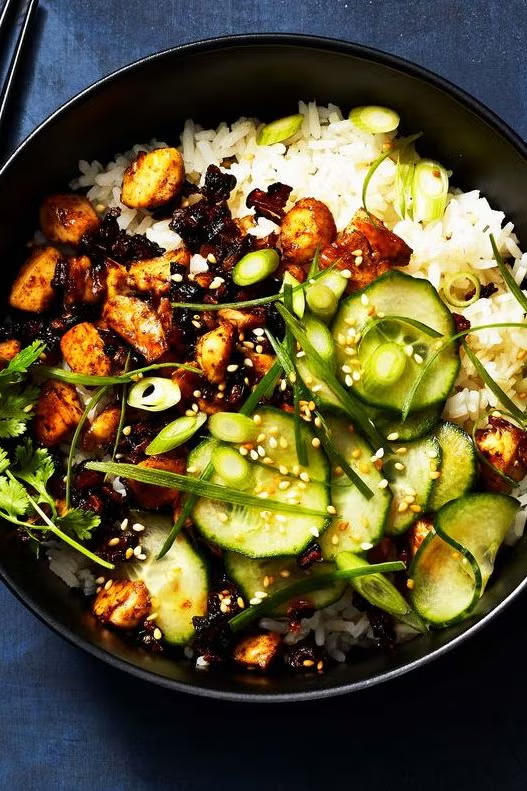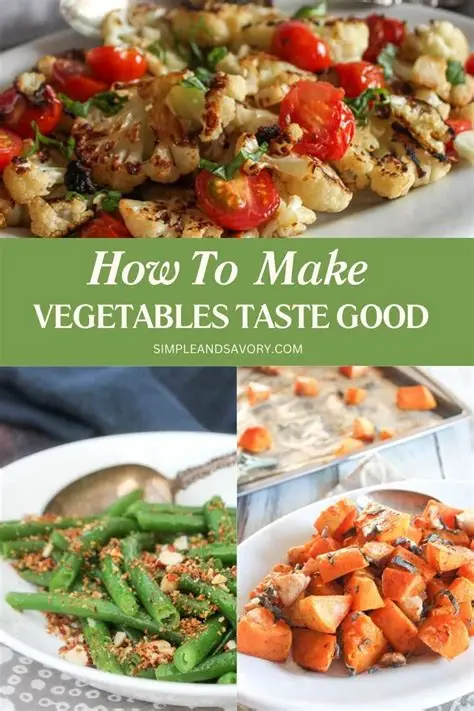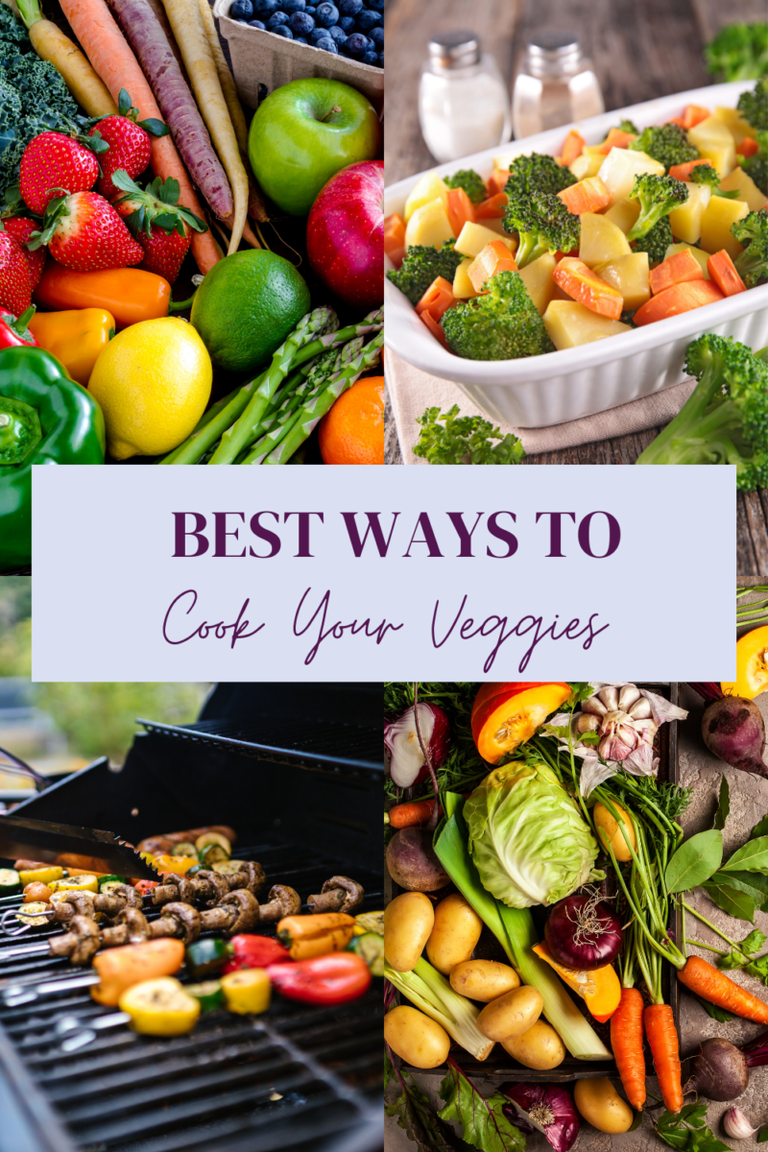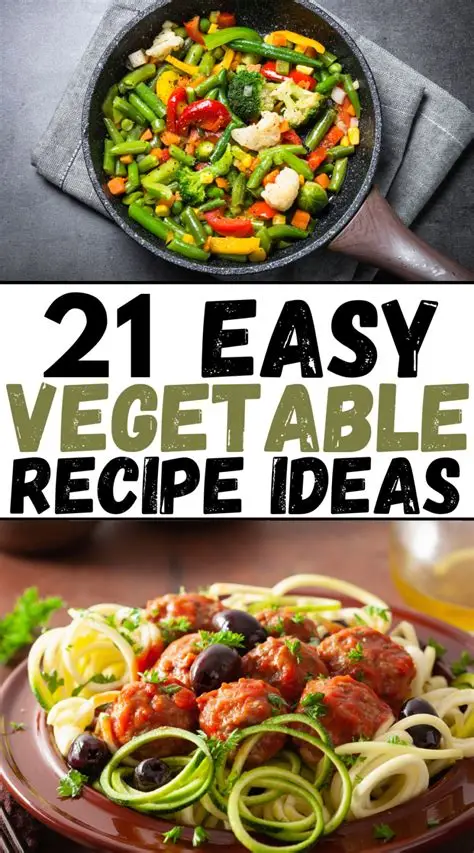
Fresh vegetables can take ordinary meals and turn them into something colourful, nutritious and delicious. Vegetables are one of the most versatile foods around, whether you’re whipping up a quick lunch, family dinner or healthy side dish. Learning how to make fresh vegetable recipes at home can help you get better flavours and add variety to your weekly menu.
Looking for more healthy meal ideas? Check out our Vegetable Recipes Collection and Healthy Recipes Guide on Bitecraft Recipes.
The importance of fresh vegetables
Fresh vegetables are packed with vitamins, minerals and natural flavours. They can be cooked by roasting, grilling, sautéing, steaming or eaten raw. They are also good in soups, salads, casseroles and pasta dishes.
Simple Garlic Roasted Vegetables
This is a simple recipe that works with many vegetables and requires little preparation.
Ingredients:
2 cups broccoflower florets
2 carrots, diced
1 courgette, diced
2 tablespoons of olive oil
2 cloves garlic, minced
Salt & Pepper:
Preparation time
Preparation time: 10 mins
Cooking: 25 mins
Total Time: 35 minutes.
Step 1 Instructions
Preheat oven to 425°F (220°C).
Put vegetables in a large bowl.
Add the olive oil and garlic.
Season with salt and pepper.
Toss until well coated.
Place on a baking sheet.
Roast for 20-25 minutes.
Serve hot.
Usefull tips
- Chop the vegetables into roughly the same size.
- Stir halfway through the cooking time.
- Fresh herbs, added before serving.
- Variations of the Recipe
- Add cauliflower for additional texture.
- Sprinkle with Parmesan cheese.
- Add bell peppers for a splash of colour.
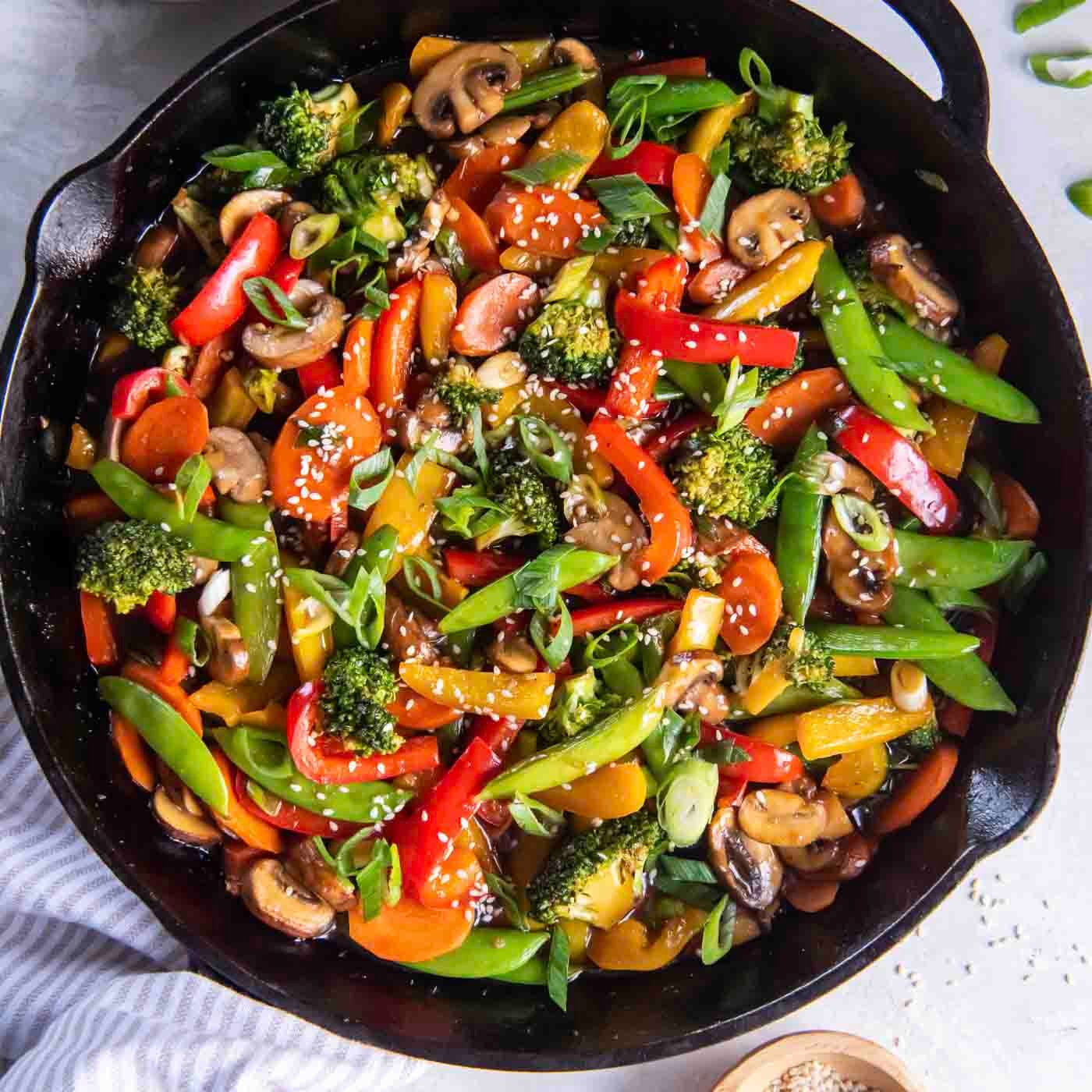
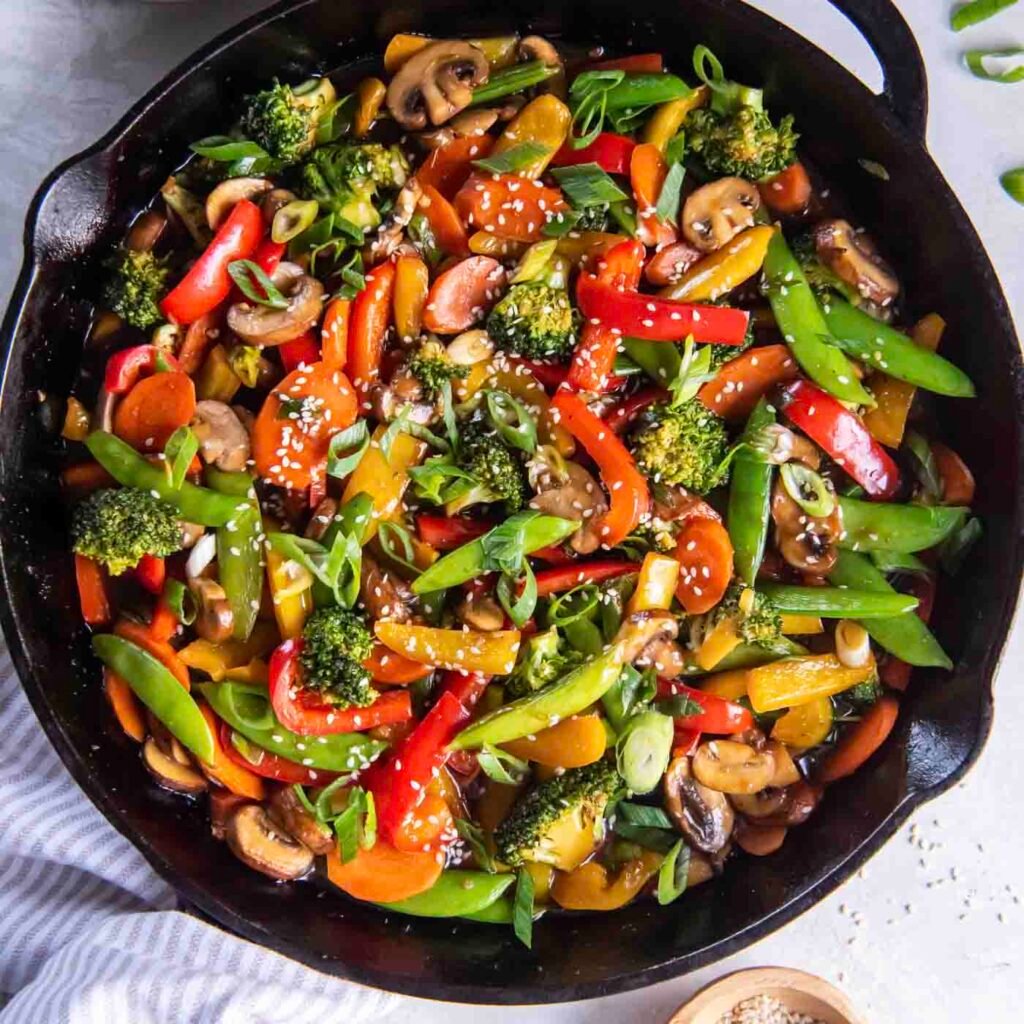
- Stir-Fried Vegetables (Fresh)
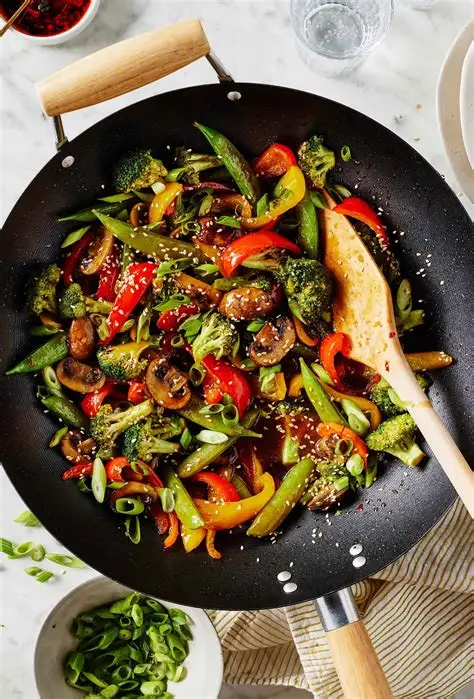
A simple veggie stir fry is great for busy weeknights. It cooks fast and lets you use seasonal produce.
Ingredients
- 1 pepper (any kind)
- 1 cup sugar snap peas
- 1 carrot
- 1 c. mushrooms
- 1 tbsp toasted sesame oil.
- 2 tablespoons of soy sauce
Time to Cook
Prep time: 10 minutes
Cooking: 10 min
Total Time: 20 minutes
Directions
- Cut all the vegetables evenly.
- Heat oil in a large skillet.
- Add the vegetables and stir often.
- Cook 6-8 min.
- Add soy sauce.
- Stir for another 2 minutes.
- Serve right away.
Tips That Help
- Keep the vegetables a little bit crisp.
- Cook over med-high heat.
- Prepping your ingredients before heating up the pan.
Variations on the recipe
Add tofu for a protein boost.
Change your vegetables with the seasons.
You can also add a little ginger for flavour.
How to Select the Best Vegetables
The choice of the ingredients is very important. Choose firm, colourful vegetables that have no soft spots. Fresh produce often has better texture and taste.
The Have A Plant Initiative has good advice on selecting and storing fresh produce.
Healthy Tips to Get More Vegetables Into Your Meals
Including vegetables in everyday meals doesn’t have to be difficult. Little changes can make a big difference.
Some simple ideas are …
- Omelette with spinach.
- Add vegetables to your pasta.
- Serve salads with the main dish.
- Serve dinner with roasted vegetables.
- Add vegetables to the soup.
Check out our Easy Dinner Recipes and Meal Prep Recipes sections for more ideas on what to cook for dinner.
Common Mistakes to Avoid
Most home cooks overcook vegetables by mistake. This can diminish flavour and texture. Cook the vegetables until tender but still a little firm, not mushy.
Other often-repeated errors include:
- Using too much oil.
- Packing the pan.
- No spices.
- Cooking at super low temperatures.
Avoiding these mistakes can be useful for the final result.
Benefits of Using Seasonal Vegetables in Cooking
Seasonal vegetables are usually fresher and cheaper. They also provide variety naturally all year round. Choose seasonal ingredients to taste new flavours and keep meals interesting.
Plus, seasonal produce often supports local farmers and sustainable food practices.
Quick Cooking Tips for Vegetables
Best texture with high heat. Cut vegetables to even sizes. Salt at the proper time. “Don’t overcook them. Simple steps for a fresh taste.
The best vegetables for everyday cooking
Carrots are sweet and cook quickly. Broccoli is good in many recipes. It’s easy to work with spinach. Peppers offer colour and flavour. Potatoes fill out the meals.
Simple Flavour Enhancers
Garlic has a strong flavour. Lemon adds a brightness. Food is smooth with olive oil. Herbs enhance aroma. Soy sauce is a quick depth addition.
Ways to Cook Healthy
Steaming locks in nutrients. Roasting adds a rich flavour. Stir-frying is quick and simple. Grilling imparts smokey flavour. Soups are easy to make by boiling.
Time-Saving Kitchen Hints
Wash vegetables ahead of time. Chop and keep them. One pan meals. Cook in batches. Keep easy spices close at hand.
Simple meal pairings
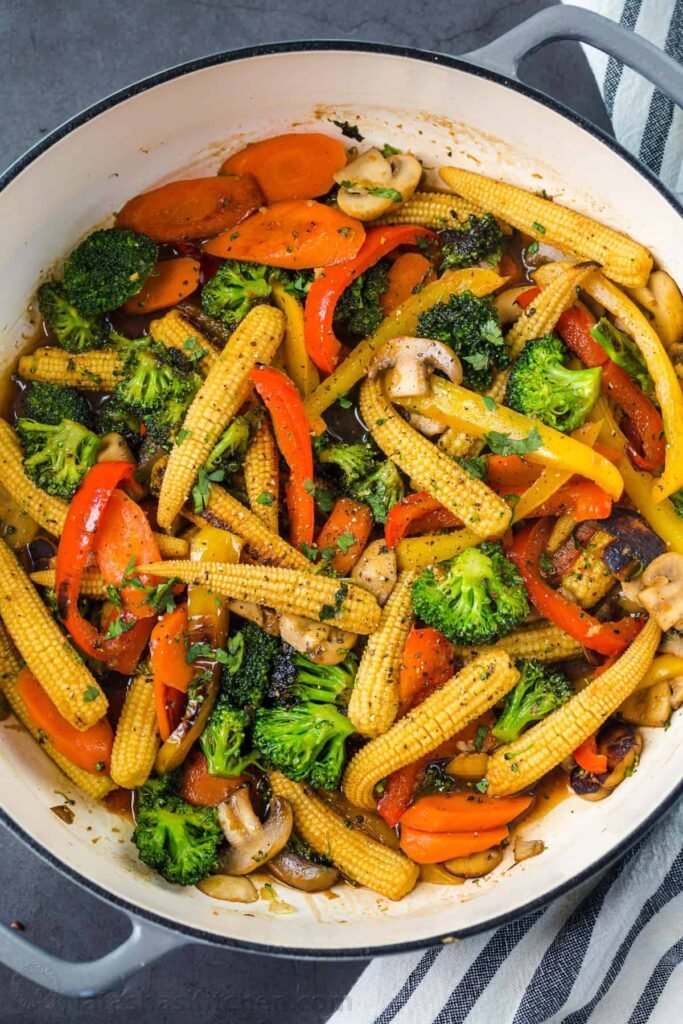
Add rice to vegetables for a quick meal. Add them to pasta for extra nutri. Serve with eggs for a breakfast treat. Combine with beans for protein. Keep meals easy and balanced.
A Guide to Fresh Vegetable Storage
Keep vegetables in the fridge. Store in an airtight container. Keep greens dry. Do not wash until storing. Use them in a few days.
Common Cooking Troubleshooting
Sometimes vegetables get wet. This is the result of overcooking. Sometimes, the flavour is too mild. That is bland. It is sometimes uneven in texture. This is because of poor editing.
Best Spices for Vegetables
Salt brings out the natural taste. Black pepper for a little heat. Chilli flakes are good for some heat. Depth from garlic powder. Herbs add freshness and fragrance.
Inexpensive Cooking Ideas
Buy in-season vegetables. Keep it simple. Plan your meals to avoid waste. Make bigger batches. Turn leftovers into new meals.
Kitchen Tools You Will Need
You need a sharp knife. It’s very important. A cutting board is helpful for prep. A frypan is useful every day. A baking sheet is good for roasting. A steamer helps you prepare healthy meals.
How to add crunch Best
Add nuts for more texture. Use fresh vegetables for a nice crunch. Toast lightly for a crisp bite. Don’t overcook the soft vegetables. Crunch for flavour.
How to Balance Flavour?
Use salt sparingly. Add a little more sweetness if desired. Add sour ingredients like lemon. Use mixed spices, mild and hot. Taste before serving.
Easy lunch ideas with vegetables
Lunchtime veggie wraps. Try quick veggie sandwiches. Make bowls of stir-fry. Serve with rice & roasted veg. Keep food light & fresh.
Easy Veggie Ideas for Dinner
Make vegetable soups for comfort. Arrange trays of baked vegetables. Try fast stir fries at night. Add vegetables to your pasta. Keep dinner warm and simple.
Tips for a Better Presentation
Mix bright coloured vegetables together. Serve food nicely on plates. Sprinkle herbs for garnish. Serve in clean dishes. Keep food looking fresh and appetising.
Common Mistakes to Avoid When Cooking Vegetables
Don’t overcook the vegetables. Don’t forget the seasoning. Use not too much oil. Do not cut out uneven pieces. Follow easy steps for better results.
Recipes for Daily Vitality with Fresh Vegetables
Fresh vegetables are the source of natural energy for the body. They keep you going all day long. Regular consumption of them helps to maintain your balanced diet. They are easy to include in meals because of simple cooking methods.
Fast Meals with Fresh Vegetable Recipes
Fast fixes for busy days. You can prepare vegetable dishes in minutes. Often just a simple chop and a dusting of seasoning will do; You don’t always have to spend hours cooking to have healthy meals.
Recipes for fresh vegetables to improve your digestion
High fibre vegetables help the natural process of digestion. They make it easier for the stomach to digest food. Many people feel light after eating them. Regular intake improves the overall health of the gut.
Family Dinners: New Recipes with Fresh Vegetables
Vegetables add colour and flavour to family meals. They are good with rice, bread, or meat. They give the dinner table a more complete feeling. We can all enjoy a healthier meal together.
Healthy Vegetable Recipes for Seasonal Cooking
Better taste and freshness with seasonal produce. Local vegetables tend to be more nutritious. Cooking with seasonal items keeps the meals interesting. New flavours to explore through the seasons.
New Vegetable Recipes For Your Daily Variety
Variety in meals makes eating habits fun. Mixed vegetables acquire new flavours and textures. Basic combinations can change the entire dish. Simple tweaks can make everyday cooking more enjoyable.
Last tips for better cooking results
Cooking the vegetables well makes a huge difference. Use fresh and clean ingredients. Cut them evenly so they cook evenly. So that every bite tastes the same. Also, be careful not to overcook so texture is firm.
Easy Ways to Enhance Flavour
Flavour can make or break a simple dish. Add herbs for freshness . Add garlic for more depth. Then add the brightness of lemon. Consequently, the taste is more balanced and rich.
How to Make Veggies More Fun
Most people don’t understand the importance of presentation. Vegetables neatly arranged on the plate. Use different kinds for colour. And use light garnishes as well. This makes the meals more appealing and tasty.
Smart Cooking Habits for Daily Life
Good habits make it easy to cook food. Plan your meals beforehand. Get your ingredients prepped before you start cooking. Clean as you go too. This keeps the kitchen neat and stress-free.
Easy Ways to Save Cooking Time
Time saving methods are helpful in busy schedules. If possible, use pre-cut vegetables. Make a few portions at once. Then, store leftovers correctly. So you spend less time cooking everyday.
Simple Ways to Serve Vegetables
Presentation elevates the eating experience. Use small bowls for servings. Combine assorted vegetables. Season lightly and serve. As a result, this makes dishes feel more complete and fresh.
FAQS
FAQ 1: What Are Fresh Vegetable Recipes and Why Are They Important?
Fresh Vegetable Recipes are recipes that use natural and unprocessed vegetables. Why are they important? They encourage healthy eating. They also add vitamins and minerals to everyday food.
FAQ 2: What are some quick recipes for fresh vegetables I can make at home?
With simple methods you can fix them in no time. First you prepare vegetables in advance. Then, cook them by stir-frying or steaming. You will save time and effort in doing so.
FAQ 3: What are the best vegetables to use in fresh vegetable recipes?
These recipes are excellent with lots of vegetables. For example, carrots, spinach and broccoli are popular choices. Peppers and zucchini add colour and flavour too.
FAQ 4 Are Fresh Vegetable Recipes Good for Weight Loss?
Yes, they help in losing weight. They’re low in calories and high in fibre. So they make you feel full longer and cut down on overeating.
FAQ 5: Can I make fresh vegetable recipes without oil?
Yes, they can be cooked without oil. For example steaming and boiling are good methods of cooking. But a little bit of healthy oil can make a difference in taste.
FAQ 6: How Do Recipes With Fresh Vegetables Promote Health?
They supply important nutrients that improve health. They also aid in digestion and immunity. This in turn helps to keep overall wellness.
FAQ 7: What are some simple fresh vegetable recipes for beginners?
A great place for beginners to start with simple dishes. Vegetable salads and stir-fries, for example, are simple. Roasted vegetables also require very little effort.
FAQ 8: How Do I Store Ingredients for Fresh Vegetable Recipes?
Keep vegetables in a cool place. Also store them in airtight containers. It makes them fresh for a longer period.
FAQ 9: Do I have fresh vegetable recipes for kids?
Yeah, they are good for kids. But keep flavours on the mild side. You can also cut vegetables into fun shapes.
FAQ 10: Why Add Fresh Vegetable Recipes To Your Daily Meal?
They are healthy and tasty so they should be added. Also, they increase energy levels. So they’re perfect for everyday cooking
FAQ 11: Are Fresh Vegetable Recipes Kid-Friendly?
Yes, they are very appropriate. Mild vegetables, for example, are easy for kids to eat. They are also more attracted to food that is colourful.
FAQ 12: How can fresh vegetable recipes enhance meal variety?
They offer different textures and colours. They can be mixed with a whole lot of ingredients as well. So meals don’t feel boring ever.
FAQ 13: Are Fresh Vegetable Recipes Budget-Friendly?
Yes, they are very inexpensive. For example, seasonal vegetables are cheaper. So you can eat healthy and not spend a fortune.
FAQ 14: What Are the Best Seasonings for Fresh Vegetable Recipes?
Salt, pepper, garlic and herbs work best. Lemon juice adds freshness as well. Thus, simple seasoning is usually adequate.
FAQ 15. How do fresh vegetable recipes simplify cooking?
These are easy to make. They also require fewer ingredients. This means that cooking is quicker and less stressful.