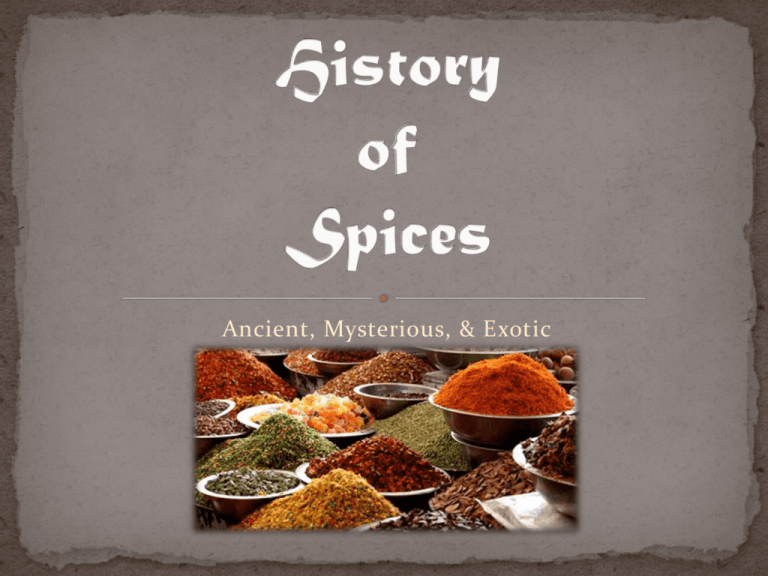
25 Ancient Aromas:
This storehouse of ancient fragrances links kitchens across the centuries, carrying with it the stories of trade caravans, royal banquets, and sacred rites.Before there were modern supermarkets and global shipping, spices were among the most precious substances on Earth. They drove exploration, built empires, started wars and turned humble ingredients into unforgettable feasts.
Discover more flavor secrets in our Spice Treasury Collection, where history meets flavor.
1.Black Pepper — The King of Spices
Once as valuable as gold, black pepper adds depth and warmth to an endless number of dishes worldwide.
India’s historic trade hub – Map View
2.Cinnamon — The Sweet Warmth of Days Gone By
Cinnamon adds sweet comfort and subtle heat, and was worshiped by ancient Egypt and Rome.
Major Source in Sri Lanka – See Map
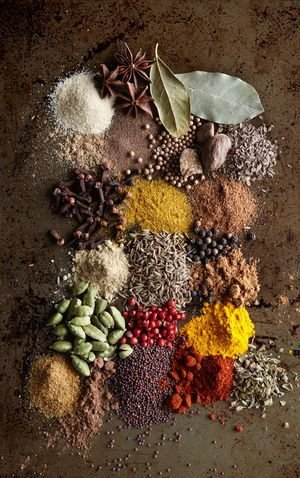
3.Golden Healer – Turmeric
A colorful root used for thousands of years in cooking, medicine, and ceremony.
4.Cardamom – The Queen of Fragrance
Its citrusy, floral fragrance enhances its sweet and savory dishes throughout Asia and the Middle East.
5.Cloves – Heavily Perfumed Buds
Cloves are powerful and sweet-spicy, and prized by ancient traders for their preservative qualities.
Origin Indonesia – View Map
6.Nutmeg – Warm Nutty Luxury
Once reserved for royalty, nutmeg adds richness to both desserts and savory dishes.
7.Saffron – Threads of Gold
It is the world’s costliest spice. It provides color, aroma and a uniquely delicate flavor.
View Map Historical cultivation in Iran
8.Ginger — Hot and Fresh
Ginger, a staple of ancient medicine and cuisine, offers zesty warmth and digestive benefits.
9.Cumin – Deep and Earthy
Cumin has been used since ancient Mesopotamia and is the backbone of many spice blends.
10.Coriander – Citrus Brightness
Seeds and leaves have been used to flavor food for thousands of years on many continents.
11.Fenugreek: A Bittersweet Complexity
This special spice has a maple-like sweetness with a savory edge.
12.Mustard Seeds — Little Powerhouses
Mustard seeds, used in ancient Roman cooking, add pungency and heat.
13.Fennel – Sweet Anise Scent
Used in Mediterranean cuisine for its refreshing, liquor ice-like flavor.
14.Star Anise — Bold and Licorice-like
A staple in Asian broths and spice blends.
15.Bay Leaves – Subtle Herbal Depth
It was used by the ancients in Greece and Rome to flavor soups, stews, and ceremonial dishes.
16.Paprika — Red Spice Smoky
It comes from peppers and gives color and a bit of heat.
Hungarian Roots – Map View
17.Sumac – Tangy Red Powder
Sumac is common in Middle Eastern cuisine and adds lemony brightness.
18.Asafoetida – Umami Enhancer with Pungent Undertones
The strong aroma cooks beautifully to a mellow flavor.
19.Allspice – A Variety of Flavors in One
It has a taste of cinnamon, nutmeg and cloves all at once.
20.Mace—The Sister of Nutmeg
Nutmeg’s delicate outer covering has a subtler, more refined flavor.
21.Galangal – Citrusy-Pine Warmth
Important for Southeast Asian cooking, especially soups and curries.
22.Ajwain – Thyme Style Kick
Used in breads and snacks in South Asia for its strong aroma.
23.Nigella Seeds — Crunch Like an Onion
Often sprinkled on flat-breads for flavor and texture.
24.White Pepper – A Soft Heat
Not as hot as black pepper, good for light colored dishes.
25.Long Pepper — The Ancient Predecessor
Used in Roman times before black pepper took over.
Map View of Historical trade routes of India
The Heritage of the Spice Routes
These ancient scents traveled deserts, oceans and empires, altering cuisines and cultures in their wake. They are still indispensable tools for turning simple ingredients into exceptional dishes.
Get a new spin on flavor at BiteCraft.recipes where classic ingredients meet modern culinary creativity.
A Treasury Forged Over Time
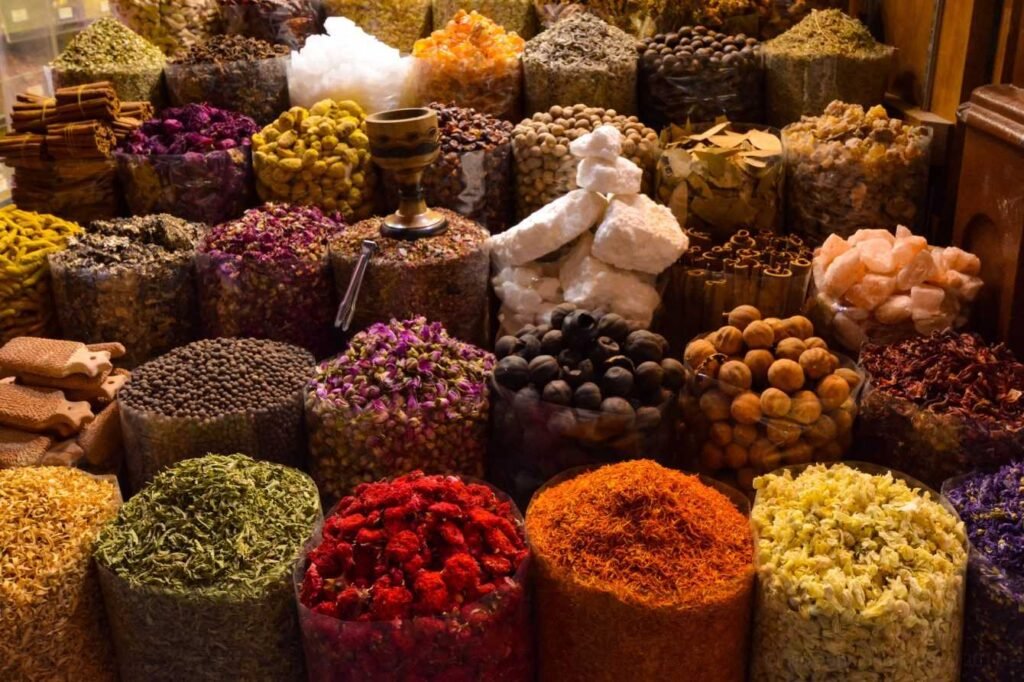
Spices are among the greatest culinary gifts of mankind, used not only for flavor but for preservation, medicine, and ceremony as well. For thousands of years caravans and ships transported these fragrant wonders around the world, making them a symbol of wealth, power and cultural exchange.
The Scent of Ancient Civilizations
Spices were the markers of the sensory identity of civilizations, from royal courts to modest kitchens. Their perfumes were used to adorn temples, to spice up banquets, and even to accompany funeral rites, a testament to their profound spiritual and cultural significance.
A Healing Legacy More Than Flavor
Many ancient spices were prized not just for their flavor, but also for their medicinal properties. Well before the advent of modern medicine, roots, seeds and bark were used to soothe ailments, boost vitality and support overall well-being.
The Rise of World Trade
Some of the earliest global trade networks were driven by a desire for rare spices. Merchants braved perilous routes through deserts and seas, linking far-flung regions and paving the way for modern globalization.
Color, Warmth & Complexity
Spices don’t just season food, they change it. Golden colors, fiery heat, sweet warmth and earthy depth can transform simple ingredients into rich, layered dishes that seize the senses.
Ceremonial and Sacred Use
Many spices had symbolic meanings and were used in religious offerings, purification rituals and sacred celebrations. Their rarity and their smell made them fit for the gods.
Preserving Food Prior to Refrigeration
Spices were important in ancient times for preserving food. Their antimicrobial properties preserved meats and grains, extending their shelf life. They were as necessary for survival as they were for culinary enjoyment.
The Art of Mixing
Throughout the world, cultures created signature spice blends that defined their cuisines. The blend of sweet, pungent, bitter and aromatic qualities produced balanced profiles that are still appreciated today.
A Bridge Across Cultures
As spices traveled, they brought with them culinary ideas. Techniques, recipes and flavor preferences crossed borders, enriching cuisines and creating cultural links that persist to this day.
Luxury Once Reserved for Royals
Some spices were so rare and valuable that only the nobility could buy them. The ingredients were presented at lavish banquets as symbols of status and sophistication.
From Ancient Roads to Modern Kitchens
What once was rare and valuable can be found on every street corner. But each pinch still carries echoes of history, reminding us of the journeys these ingredients made across centuries.
Classic Fragrances That Spark Creativity
Today’s chefs and home cooks continue to re-discover ancient spices, blending tradition with innovation. These long-lasting flavors show that the past still has a lot to give to cooking today.
FAQS
What is an ancient spice storehouse?
The phrase ancient spice treasury refers to the collection of spices that have been used for thousands of years, across civilizations, for cooking, medicine, trade and rituals.
Why were spices so valuable in the ancient world?
Spices were very rare , hard to transport and highly coveted for their taste , ability to preserve food and medicinal properties , thus making them incredibly valuable .
What spice was more valuable than gold?
Saffron is often called the most expensive spice by weight, but black pepper has also served as currency in the past.
Spices in ancient medicine .
Many spices were thought to have health benefits and were used to treat digestive problems, infections, inflammation and other illnesses.
What role did spices play in the Age of Exploration?
The search for spices spurred explorers to find new trade routes, resulting in significant discoveries and the expansion of global trade networks.
What are the oldest spices known?
Cinnamon, pepper, cumin, coriander and ginger are some of the oldest recorded spices used by ancient civilizations.
Were spices used for religious reasons?
Yes, many spices were burned as incense or used in offerings and ceremonial foods, because of their fragrance and symbolic meaning.
How did the ancients transport spices?
They were moved by caravan over land routes, and by ship along maritime trade routes, often on long and hazardous journeys.
What is the difference between a herb and a spice?
Spices are usually derived from seeds, bark, roots or fruits, whereas herbs are generally derived from the leafy parts of plants.
Were spices used by all cultures?
Most ancient cultures used spices from their own locality or from trade but the types and mixtures were very different.
How did spices help to preserve food?
Many spices have antimicrobial properties which delay spoilage and mask the unpleasant smells of aging food.
What is the Route of Spices?
The Spice Route is the name given to the trade routes that linked Asia, the Middle East, Europe and Africa, trading spices and other things.
Why is Saffron So Costly?
Saffron is very labor intensive to produce, involving the hand-harvesting of delicate flower stigmas.
Are we still using ancient spices today?
Yes, many ancient spices remain a staple in kitchens around the world today.
Do spices lose their potency over time?
Yes, ground spices do lose flavor and aroma over time, especially when exposed to light, air and heat.
What is the storage of spices?
Store in airtight containers in a cool, dark place to keep fresh and potent.
Are whole spices better than ground?
Whole spices hold their flavor longer and can be freshly ground for the most aroma and intensity.
Did spices affect the evolution of cuisine?
Certainly. Many traditional dishes and flavor profiles were developed around spices that were locally available.
Which spice blends go back to antiquity?
Garam masala, Chinese five-spice, Middle Eastern mixes and similar blends can all trace roots to ancient cooking traditions.
Are Spices Good For You?
Many spices are rich sources of antioxidants, vitamins and bio-active compounds that are good for health.
Why do some spices smell so strong?
They give off characteristic odors and flavors from concentrated compounds in their essential oils.
Do you use spices in desserts?
Yes, spices like cinnamon, nutmeg, cardamom etc. are often used in desserts.
What is the spiciest ancient spice?
Many ancient cuisines used mustard and pepper for heat , but chili peppers became widespread later .
How did spices travel from one culture to another?
Trade, migration, conquest, and cultural interchange carried spices to new lands.
Do spices go off?
Spices don’t really “spoil” in the traditional sense, but they do lose their flavor and effectiveness over time.
Why do spices still matter today?
They are still important in adding to the flavor, aroma, color and cultural identity of foods around the world.