Adding flavor to your meals doesn’t have to be complicated. With a few smart techniques, you can make everyday dishes taste rich, aromatic, and exciting. Using spices in the right way can bring out the best in vegetables, meat, grains, and even snacks. These 14 tips will help you enhance the taste of your cooking and make meals more enjoyable.
For more helpful cooking ideas, check out Bitecraft.recipes guides such as
https://bitecraft.recipes/quick-meals-you-can-make-in-30-minutes
and
https://bitecraft.recipes/spectacular-party-bites-that-spark-joy-at-gathering
These guides provide simple ways to make meals tasty and quick.
1. Toast Whole Spices
Toasting whole seeds or pods in a dry pan for a few seconds releases natural oils and boosts aroma. This technique is often used in kitchens around Delhi for curries and rice dishes.
2. Grind Spices Fresh
Grinding spices just before cooking ensures they are aromatic and flavorful. Freshly ground powders have more depth than pre-ground versions.
3. Add at the Right Time
Timing matters. Some powders taste better when added early, while delicate ones like paprika or fresh herbs are best at the end of cooking.
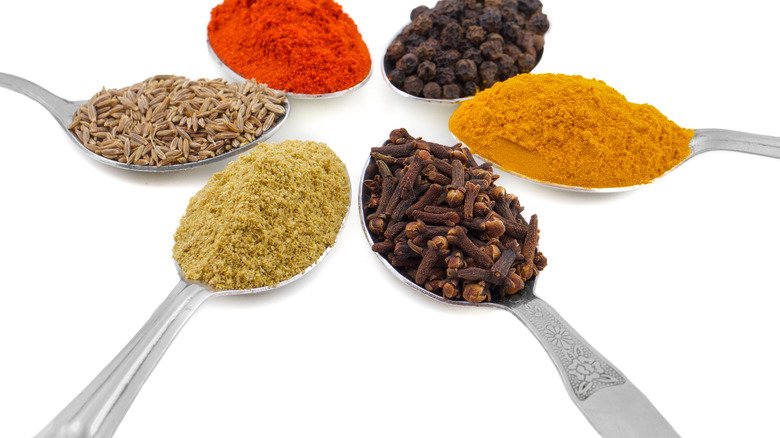
4. Mix With Oil or Butter
Blending spices with olive oil, ghee, or butter helps them release flavor evenly. Mediterranean dishes in Athens often use this technique.
5. Layer Flavors
Adding spices in stages, such as during sautéing and again at the end, creates depth and richness.
6. Use Acid
A splash of lemon, lime, or vinegar brightens dishes and lifts flavors naturally. Citrus helps release aromatic oils in spices.
7. Balance Sweet and Savory
A little honey, sugar, or dried fruit balances strong flavors. Moroccan recipes in Marrakech often use this trick for richer taste.
8. Pair With Aromatics
Cooking spices with garlic, onions, or ginger enhances aroma and flavor. Thai dishes in Bangkok rely on this method for bold taste.
9. Crush Before Cooking
Crushing whole spices like cardamom, cloves, or peppercorns slightly before adding them releases essential oils and aroma.
10. Use Fresh Herbs
Fresh herbs like parsley, cilantro, or basil complement powders and add a burst of freshness to the dish. Italian kitchens in Rome often combine herbs with powders for layered flavors.
11. Store Properly
Keep powders and seeds in airtight containers, away from sunlight and moisture. Proper storage preserves aroma and potency.
12. Avoid Overheating
High heat can make delicate powders bitter. Add them later in cooking or use low heat to maintain their natural flavor.
13. Experiment With Combinations
Try mixing different spices and herbs in small amounts to discover new flavors. Tasting as you go ensures a balanced and delicious result.
14. Use in Snacks and Drinks
Sprinkle powders on roasted nuts, popcorn, or even add a pinch to hot beverages like tea, coffee, or hot chocolate. This adds aroma and a unique flavor touch.
Toast Seeds for Extra Flavor
Heating whole seeds or pods in a dry pan releases their natural oils and aroma. This simple step makes curries, rice, and roasted dishes smell and taste richer.
Grind Ingredients Fresh
Grinding seeds and powders just before cooking brings out a stronger and fresher flavor. Pre-ground versions often lose their aroma over time.
Add at the Right Time
Some seasonings taste best when added early, while delicate ones like paprika or fresh herbs should be added at the end of cooking to keep their aroma.
Mix With Oil or Butter
Blending powders with olive oil, butter, or ghee spreads the flavor evenly throughout the dish. This technique is often used in Mediterranean kitchens in Athens.
Layer the Flavors
Adding seasonings in stages, such as while sautéing and again before serving, creates depth and richness in every bite.
Brighten with Citrus
A splash of lemon, lime, or vinegar lifts flavors naturally. Acid helps release aromatic oils and adds a fresh touch to the dish.
Balance Sweet and Savory
A little honey, sugar, or dried fruit can soften strong flavors and create a pleasant balance. Moroccan kitchens in Marrakech often use this method.
Pair with Aromatics
Cooking powders with garlic, onions, or ginger enhances aroma and taste. This is essential in Thai dishes from Bangkok.
Crush Before Cooking
Slightly crushing cardamom, cloves, or peppercorns before adding them releases natural oils and aroma, improving flavor in curries, rice, and stews.
Use Fresh Herbs
Fresh herbs like parsley, cilantro, or basil add brightness and complement dried powders. Italian dishes in Rome often combine herbs and powders for layered flavors.
Store Properly
Keep powders and seeds in airtight containers, away from heat and sunlight. Proper storage keeps them fresh and aromatic for months.
Avoid High Heat
Delicate powders can turn bitter if overheated. Adding them at the end or cooking on low heat preserves their natural taste.
Experiment with Combinations
Try mixing different powders and herbs in small amounts. Taste as you go to find new and exciting flavors for your meals.
Enhance Snacks and Drinks
Sprinkle powders on roasted nuts, popcorn, or even add a pinch to hot beverages like tea, coffee, or hot chocolate. It adds aroma and a special touch to snacks and drinks.
Bloom Flavors in Hot Oil
Heating powders briefly in hot oil before adding other ingredients helps release their aroma and gives dishes a richer taste.
Sprinkle at the End
Adding a small pinch of seasoning just before serving keeps flavors fresh and adds a burst of aroma to finished dishes.
Make Small Batches
Creating small mixes of your favorite powders ensures freshness and prevents flavors from fading over time.
Blend Sweet and Savory Carefully
Mixing a tiny amount of honey, dried fruit, or brown sugar with savory powders balances flavors without overpowering the dish.
Use Citrus Zest
Grated lemon, lime, or orange peel adds a bright, fresh note and enhances the overall taste of cooked food.
Toast Nuts and Seeds
Roasting nuts and seeds with a light coating of powders adds aroma and a crunchy texture to snacks and salads.
Add to Grains
Mixing a pinch of powders or herbs into rice, quinoa, or couscous while cooking gives each bite more flavor and a nice aroma.
Stir Into Sauces
Blending powders into sauces, dressings, or gravies enhances taste and spreads flavor evenly through the dish.

Pair With Aromatic Vegetables
Cooking powders with onions, garlic, or ginger releases natural oils and deepens flavor in stews, soups, and stir-fries.
Taste While Cooking
Always sample your food as you go. Adjusting amounts gradually ensures balanced flavor and prevents over-seasoning.
Use in Breakfast Dishes
A little powder in scrambled eggs, oatmeal, or yogurt bowls adds warmth and aroma, making breakfast more exciting.
Infuse Oils or Butter
Adding powders or herbs to melted butter or heated oil creates a fragrant base for roasting vegetables, meats, or baking bread.
Sprinkle on Fruits
A small pinch of cinnamon, nutmeg, or other powders can enhance fresh fruits like apples, bananas, or pears for a sweet and aromatic touch.
Experiment With International Flavors
Try different blends inspired by cuisines from India, Morocco, Italy, or Thailand to discover new tastes and aromas in everyday meals.
FAQS
What Is the Best Way to Make Flavors Stronger?
Toasting seeds or powders and grinding them fresh brings out their full aroma and taste.
Should I Add Seasonings Early or Late?
Some ingredients taste better when cooked longer, while delicate powders or fresh herbs are best added at the end.
Can Oil or Butter Enhance Flavor?
Yes, blending powders with oil or butter spreads flavor evenly and makes dishes richer.
Does Citrus Improve Taste?
Yes, a splash of lemon, lime, or vinegar brightens flavors and enhances aroma naturally.
How Do I Balance Sweet and Savory Flavors?
A small touch of honey, sugar, or dried fruit can soften strong flavors and create a pleasant balance.
Can Aromatic Vegetables Boost Flavor?
Yes, cooking powders with garlic, onions, or ginger releases oils and enhances aroma.
Why Should I Crush Whole Ingredients?
Slightly crushing cardamom, cloves, or peppercorns releases natural oils for a richer taste.
Are Fresh Herbs Important?
Fresh herbs like parsley, cilantro, or basil add brightness and complement powders in dishes.
How Should I Store Powders and Seeds?
Keep them in airtight containers away from heat, moisture, and sunlight to preserve flavor.
Can High Heat Damage Flavor?
Yes, delicate powders can become bitter if overheated. Add them later or use low heat.
How Can I Experiment With Flavor?
Try small combinations of powders and herbs, tasting as you go to discover new profiles.
Can I Add Flavor to Snacks?
Yes, sprinkle powders on roasted nuts, popcorn, or chickpeas for extra aroma and taste.
How Do I Flavor Rice and Grains?
Add a pinch of powders or herbs while cooking to give rice, quinoa, or couscous more taste.
Can I Enhance Sauces and Dressings?
Yes, blending powders into sauces spreads flavor evenly and adds depth.
Does Toasting Nuts Add Taste?
Yes, roasting nuts with a light coating of powders adds aroma, flavor, and crunch.
Can Breakfast Dishes Be Flavored?
A little powder in eggs, oatmeal, or yogurt adds warmth and interest to morning meals.
How Do I Make Seasonings Last Longer?
Store powders in small jars, away from sunlight and heat, and avoid storing them for too long.
Can Citrus Zest Be Used in Cooking?
Yes, zest from lemons, limes, or oranges adds freshness and enhances aroma.
Should I Taste While Cooking?
Yes, tasting during cooking helps adjust flavors gradually for a balanced dish.
Can I Use International Flavor Ideas?
Absolutely, trying blends from India, Morocco, Italy, or Thailand adds new and exciting flavors to meals.




Leave a Reply