A true spice enthusiast knows that the magic of cooking lies not just in technique, but in the subtle symphony of flavors each seasoning brings. At Bitecraft.recipes, we celebrate the rare and radiant seasonings that elevate meals from everyday to extraordinary. These 18 exceptional spices and herbs deserve a place in every kitchen’s treasury.
From exotic global treasures to hidden local gems, this collection highlights ingredients that can transform soups, sauces, roasts, and desserts into unforgettable experiences.
1. Saffron – The Golden Thread of Flavor
Saffron delivers a delicate floral aroma and a golden hue that elevates risottos, paellas, and desserts. Its rarity and labor-intensive harvest make it one of the most prized seasonings in the world. Just a pinch can turn ordinary dishes into luxurious culinary experiences.
Learn more about sourcing saffron from trusted suppliers: Saffron World.
2. Sumac – Tangy, Vibrant, and Versatile
Sumac offers a bright, lemony tang that enhances grilled meats, salads, and dips. Common in Middle Eastern cuisine, it’s an easy way to add acidity and complexity without using citrus juice. Its deep crimson color also adds visual appeal to dishes.
3. Grains of Paradise – Exotic Heat and Aromatic Depth
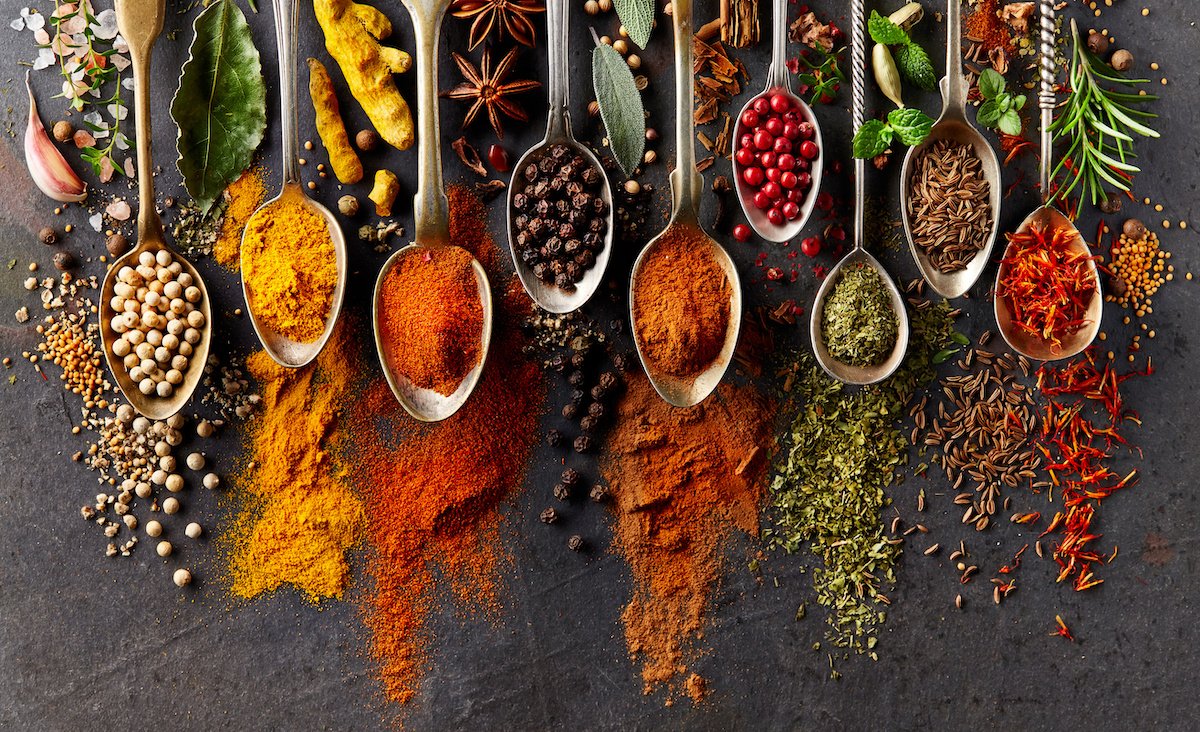
Native to West Africa, grains of paradise bring a peppery warmth with hints of citrus and cardamom. They work beautifully in spice rubs, soups, and even craft beverages, offering a rare alternative to traditional black pepper.
4. Black Garlic – Sweet, Umami-Rich Magic
Black garlic undergoes a slow fermentation, resulting in deep, sweet, and umami-rich flavor. It adds an extraordinary depth to sauces, pastas, and roasted vegetables. Its mellow complexity is unlike any fresh garlic, making it a prized addition for gourmet kitchens.
5. Smoked Paprika – Earthy, Sweet, and Smoky
Smoked paprika infuses dishes with vibrant color and a gentle smokiness that elevates roasted vegetables, meats, and stews. Originating from Spain, it’s an indispensable ingredient for adding depth without overpowering subtle flavors.
6. Long Pepper – Ancient Spice With Bold Character
Long pepper, historically prized in medieval Europe, delivers a complex heat with sweet, earthy undertones. It can replace or complement black pepper in savory and sweet recipes, offering an exotic twist to classic dishes.
7. Miso Powder – Fermented Savory Umami
Dehydrated miso powder brings rich umami flavor to sauces, dressings, and seasoning blends. Its concentrated taste enhances both Asian and fusion cuisines, allowing chefs to introduce depth without liquid miso.
8. Za’atar – Herbaceous Middle Eastern Blend
Za’atar combines sumac, sesame seeds, and herbs like thyme or oregano, offering nutty, tangy, and aromatic complexity. Sprinkled over flatbreads, roasted vegetables, or meats, it delivers bold flavor with cultural authenticity.
9. Fenugreek Seeds – Warm, Nutty, and Slightly Bitter
Fenugreek seeds add an earthy, slightly bitter note perfect for curries, spice mixes, and pickles. When toasted, they release nutty undertones that enhance depth and complexity in both vegetarian and meat dishes.
10. Pink Himalayan Salt – Subtle Mineral Nuances
Beyond its striking color, pink Himalayan salt contributes a gentle mineral richness to both sweet and savory creations. It’s ideal for finishing dishes or balancing flavors in desserts, roasts, and vegetable preparations.
11. Grains of Selim – Smoky, Peppery African Treasure
Grains of Selim, native to West Africa, provide a smoky, slightly bitter spice perfect for stews, rice dishes, and roasted meats. Its unique aroma makes it a conversation-worthy addition to any spice collection.
12. Ajwain Seeds – Bold, Thyme-Like Pungency
Ajwain offers an intense, thyme-like flavor with digestive properties. It’s commonly used in Indian flatbreads, pastries, and savory snacks, adding distinctive aroma and warmth.
13. Pink Peppercorns – Fruity and Vibrant
Pink peppercorns are delicate, mildly sweet, and slightly peppery. They bring color and subtle spice to salads, seafood, and desserts, making them ideal for gourmet plating and finishing touches.
14. Kala Namak – Sulfurous Indian Black Salt
Kala Namak has a unique sulfurous aroma that intensifies flavors in chutneys, fruit salads, and vegan egg alternatives. Its distinctive taste is essential in authentic South Asian cooking.
15. Aleppo Pepper – Mildly Spicy and Fruity
Aleppo pepper, from Syria, offers a gentle heat with fruity undertones. Ideal for sprinkling over meats, vegetables, and dips, it adds complexity without overwhelming the palate.
16. Lavender – Floral Notes for Savory and Sweet
Culinary lavender enhances baked goods, teas, and even roasted meats. Its floral aroma and subtle bitterness create elegance, allowing chefs to experiment with nuanced flavor layering.
17. Shiso Leaves – Japanese Herb with Bright Complexity
Shiso leaves add a refreshing, slightly minty, and citrusy note to salads, sushi, and pickles. Their vibrant color and flavor make them a rare but transformative seasoning in modern kitchens.
18. Grains of Paradise – African Heat Reimagined
A final reminder of this exotic pepper, grains of paradise offer complexity unmatched by ordinary spices. Perfect for stews, marinades, and even cocktails, they showcase the diversity and creativity a true spice treasury can offer.
Global Spice Destinations Worth Exploring
Marrakech, Morocco — Markets Overflowing with Aromas
https://www.google.com/maps?q=Marrakech,Morocco&output=embed
Marrakech’s spice souks are famous for saffron, paprika, and exotic blends that allow chefs and home cooks to explore rare flavors firsthand.
Kerala, India — The Land of Pepper and Cardamom
https://www.google.com/maps?q=Kerala,India&output=embed
Kerala’s lush spice plantations cultivate black pepper, cardamom, cloves, and rare seeds that have flavored cuisines around the world for centuries.
Saffron: The Golden Jewel of Flavor
Saffron is celebrated worldwide for its delicate aroma, vibrant golden color, and luxurious taste. Just a few threads can transform risottos, desserts, and soups into dishes of elegance. Its rarity and labor-intensive harvest make it a prized addition to any spice treasury, symbolizing refinement and culinary artistry.
Sumac: Tangy Vibrance in Every Sprinkle
Sumac offers a bright, lemony tang that instantly enlivens grilled meats, roasted vegetables, and salads. Its crimson hue also adds visual appeal, making dishes look as enticing as they taste. Versatile and easy to use, sumac is a must-have for those seeking freshness without relying on citrus juice.
Grains of Paradise: Exotic Pepper with Depth
Grains of paradise, native to West Africa, deliver a peppery warmth with subtle hints of citrus and cardamom. Ideal for spice rubs, soups, and even craft beverages, this rare seasoning offers an adventurous alternative to traditional black pepper, adding depth and intrigue to every bite.
Black Garlic: Sweet Umami for Bold Creations
Black garlic’s slow fermentation process creates a sweet, rich, umami-packed flavor unlike ordinary garlic. It enhances sauces, pastas, roasted vegetables, and even dressings, lending a gourmet touch to everyday cooking. Its complex taste makes it a standout ingredient in any spice collection.
Smoked Paprika: Earthy Aroma Meets Gentle Heat
Smoked paprika adds warmth, sweetness, and a smoky aroma to dishes without overpowering them. Essential in Spanish cuisine and versatile in global cooking, it brings color and depth to roasted vegetables, stews, and meats, making each plate visually and flavorfully enticing.
Long Pepper: Ancient Spice, Modern Appeal
Long pepper offers a unique heat with earthy, sweet undertones that differ from regular black pepper. Once highly prized in medieval Europe, it now provides modern kitchens with exotic flair, enhancing both savory and sweet dishes with its bold, layered complexity.
Za’atar: Herbaceous Middle Eastern Delight
Za’atar combines sumac, sesame seeds, and aromatic herbs like thyme or oregano. Sprinkled over breads, roasted vegetables, or grilled meats, it delivers nutty, tangy, and herbaceous flavors that instantly elevate simple recipes, offering an authentic taste of Middle Eastern cuisine.
Fenugreek Seeds: Nutty Warmth for Flavorful Dishes
Fenugreek seeds bring a slightly bitter, nutty flavor that enhances curries, pickles, and spice blends. Toasting the seeds releases a deeper aroma, adding a rich, earthy note to vegetarian and meat-based recipes alike, making them indispensable in traditional spice collections.
Pink Himalayan Salt: Mineral-Rich Finishing Touch
Beyond its striking pink hue, Himalayan salt contributes subtle mineral richness to both savory and sweet dishes. Perfect for finishing plates, it enhances natural flavors while adding visual appeal, ensuring that each meal feels complete and thoughtfully seasoned.
Lavender: Floral Elegance for Sweet and Savory
Culinary lavender adds delicate floral notes to baked goods, teas, and even roasted meats. Its subtle bitterness and fragrance create a sophisticated layer of flavor, allowing chefs to experiment with nuanced taste combinations that surprise and delight the palate.
Aleppo Pepper: Gentle Heat with Fruity Undertones
Aleppo pepper, sourced from Syria, offers a mild, fruity heat perfect for sprinkling over roasted meats, vegetables, or dips. Its vibrant red color and aromatic profile make it a versatile and visually appealing addition to any spice collection.
Shiso Leaves: Refreshing Japanese Herb
Shiso leaves provide a unique minty, citrusy flavor that brightens salads, sushi, and pickles. Their vibrant green appearance and distinctive taste make them a rare but transformative seasoning, perfect for adding freshness and complexity to modern cuisine.
1. What is a spice treasury?
A spice treasury is a curated collection of essential and exotic spices and seasonings that every kitchen should have. It allows cooks to explore diverse flavors, enhance dishes, and experiment with global cuisines. A well-stocked treasury inspires creativity and culinary sophistication.
2. Why are rare spices important in cooking?
Rare spices provide unique flavors, aromas, and visual appeal that standard seasonings cannot replicate. They elevate ordinary dishes into memorable culinary experiences and allow chefs to experiment with bold, nuanced tastes.
3. How should I store rare and radiant spices?
Spices should be stored in airtight containers, away from direct sunlight, moisture, and heat. Whole spices generally last longer than ground versions. Proper storage preserves aroma, potency, and shelf life.
4. What makes saffron so expensive?
Saffron is labor-intensive to harvest, requiring thousands of delicate stigma threads picked by hand from crocus flowers. Its scarcity, labor requirements, and intense flavor make it one of the priciest spices in the world.
5. Can sumac replace lemon in recipes?
Yes, sumac provides a tangy, citrus-like flavor that can substitute for lemon juice in salads, marinades, and dressings. Its unique color and aroma also add visual appeal and complexity to dishes.
6. How is black garlic different from regular garlic?
Black garlic undergoes a slow fermentation process, creating a sweet, umami-rich flavor and soft, jelly-like texture. Unlike raw garlic, it offers complex depth without pungent sharpness, making it ideal for sauces, spreads, and gourmet dishes.
7. What are grains of paradise?
Grains of paradise are small, pepper-like seeds native to West Africa. They deliver a subtle peppery heat with hints of citrus and cardamom, offering a unique flavor for meats, soups, and even cocktails.
8. How do I use smoked paprika in cooking?
Smoked paprika can be sprinkled over roasted vegetables, meats, or stews to impart earthy sweetness and gentle smokiness. It can also be blended into spice rubs for layered flavor complexity.
9. What is the difference between long pepper and black pepper?
Long pepper provides a more complex, slightly sweet and earthy heat compared to black pepper. It has been used historically in European and Asian cuisines to add exotic depth to dishes.
10. How can I use za’atar in everyday meals?
Za’atar can be sprinkled on flatbreads, roasted vegetables, eggs, or meats. Its nutty, herbaceous, and tangy flavor adds dimension and authenticity to Middle Eastern-inspired recipes.
11. What is fenugreek best used for?
Fenugreek seeds enhance curries, pickles, spice blends, and bread. Toasting them intensifies their nutty, slightly bitter aroma, adding earthy richness to both vegetarian and meat dishes.
12. Is pink Himalayan salt healthier than regular salt?
Pink Himalayan salt contains trace minerals that give it a subtle flavor and color. While it offers minor mineral benefits, its primary advantage lies in flavor enhancement and visual appeal rather than significant health differences.
13. What is kala namak, and how is it used?
Kala namak, or black salt, has a distinctive sulfurous aroma and is commonly used in Indian cuisine, fruit salads, chutneys, and vegan egg dishes. Its pungent flavor adds depth and complexity to traditional and fusion recipes.
14. How does Aleppo pepper differ from regular chili flakes?
Aleppo pepper offers mild, fruity heat with subtle sweetness, unlike standard chili flakes which can be more bitter and fiery. It is ideal for finishing dishes or adding gentle spice without overwhelming flavor.
15. Can lavender be used in savory dishes?
Yes, culinary lavender pairs well with roasted meats, vegetables, and sauces. It adds floral aroma and subtle bitterness, creating an elegant flavor layer in savory preparations.
16. How do shiso leaves enhance Japanese cuisine?
Shiso leaves provide a fresh, minty, and citrusy flavor to sushi, salads, pickles, and noodles. They add both taste and vibrant color, enhancing the sensory experience of Japanese dishes.
17. Are grains of selim and grains of paradise the same?
No, grains of selim offer smoky, slightly bitter flavor, while grains of paradise are peppery with citrus hints. Both are exotic African spices, but they differ in aroma and culinary applications.
18. How do I grind whole spices for maximum flavor?
Grinding spices just before use preserves aroma and potency. Use a mortar and pestle or a spice grinder, and avoid storing ground spices for long periods to maintain freshness.
19. Can I blend rare spices into my own mixes?
Absolutely. Combining spices like sumac, za’atar, Aleppo pepper, and fenugreek allows you to create unique blends for rubs, sauces, and seasoning mixes. Experimenting enhances creativity and personalization in cooking.
20. What dishes benefit most from black garlic?
Black garlic works beautifully in pasta sauces, roasted vegetables, marinades, dressings, soups, and even desserts. Its sweet, umami-rich flavor complements both savory and slightly sweet applications.
21. How do I know if a spice is fresh?
Fresh spices have vibrant color, strong aroma, and bold flavor. If a spice smells weak, faded, or tastes flat, it has likely lost potency and should be replaced for optimal results.
22. How can I explore global spices without traveling?
Specialty spice shops, online retailers, and curated spice boxes allow access to exotic seasonings from around the world. Learning traditional uses through recipes can bring authentic international flavors to your kitchen.
23. Are rare spices expensive?
Many rare spices like saffron or long pepper are costly due to labor-intensive harvesting or limited cultivation. However, small quantities are sufficient to dramatically enhance dishes, making them a worthwhile investment for flavor.
24. How do I balance exotic spices in recipes?
Start with small amounts and adjust gradually. Combining complementary spices, considering acidity, sweetness, and fat content, ensures balanced flavors. Taste-testing during cooking is essential to achieve harmony.
25. Can rare spices transform everyday cooking?
Yes, even small additions of rare or radiant seasonings can elevate ordinary meals into gourmet experiences. They add depth, aroma, and visual appeal, turning simple dishes into memorable culinary creations.

Leave a Reply