Below are nine power-packed Dishes that nourish your body while delighting your taste buds.Taking care of your heart doesn’t mean sacrificing flavor. In fact, many delicious dishes are naturally rich in fiber, healthy fats, antioxidants, and essential nutrients that support cardiovascular health.
1. Oatmeal with Berries and Nuts
Oats contain beta-glucan, a soluble fiber known to help lower cholesterol. Add antioxidant-rich berries and heart-healthy nuts for a perfect start to your day. Learn more about whole-grain benefits from the American Heart Association .
2. Grilled Salmon with Lemon and Herbs
Salmon is loaded with omega-3 fatty acids, which reduce inflammation and support heart rhythm stability. Pair it with fresh herbs and citrus for maximum flavor without excess salt.
3. Avocado and Chickpea Salad
Creamy avocado provides monounsaturated fats, while chickpeas add plant protein and fiber. This combination helps regulate cholesterol levels and keeps you full longer.
4. Spinach and Lentil Soup
Lentils are a powerhouse of potassium, folate, and fiber — all essential for heart health. Spinach adds iron and antioxidants, making this soup both comforting and nutritious.
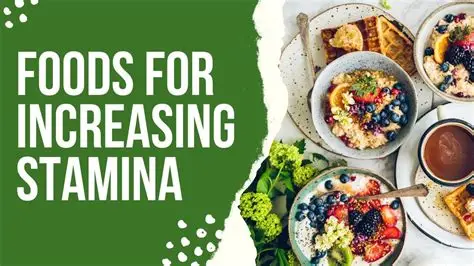
5. Quinoa Vegetable Bowl
Quinoa is a complete protein and rich in magnesium, which supports healthy blood pressure. Combine it with roasted vegetables for a colorful, satisfying meal. Explore more wholesome grain recipes on our healthy bowls guide.
6. Tomato and Olive Whole-Grain Pasta
Tomatoes provide lycopene, an antioxidant linked to reduced heart disease risk, while olives contribute beneficial fats. Use whole-grain pasta for added fiber.
7. Greek Yogurt with Honey and Seeds
This protein-rich snack supports muscle health and helps control appetite. Add chia or flax seeds for omega-3s and extra fiber.
8. Grilled Chicken with Steamed Broccoli
Lean protein paired with cruciferous vegetables makes a classic heart-friendly dinner. Broccoli contains compounds that may help reduce oxidative stress.
9. Dark Chocolate and Almond Energy Bites
In moderation, dark chocolate (70% cocoa or higher) provides flavonoids that support blood vessel function. Almonds add vitamin E and healthy fats.
Heart-Healthy Dining Spots (Map Locations)
If you prefer eating out, these cities offer many restaurants with nutritious menu options:
- :contentReference[oaicite:0]{index=0}: View healthy dining spots in Multan
- :contentReference[oaicite:1]{index=1}: Explore nutritious restaurants in Lahore
- :contentReference[oaicite:2]{index=2}: Find heart-friendly eateries in Karachi
Oatmeal with Berries and Nuts
A warm bowl of oatmeal topped with fresh berries and crunchy nuts is one of the most heart-loving breakfasts you can enjoy. Oats are rich in soluble fiber that helps reduce bad cholesterol, while berries deliver antioxidants that protect blood vessels. Nuts add healthy fats that support overall cardiovascular function and keep you energized throughout the morning.
Grilled Salmon with Lemon and Herbs
Grilled salmon is packed with omega-3 fatty acids, known for reducing inflammation and supporting healthy heart rhythms. A squeeze of lemon and a sprinkle of herbs enhance flavor without adding sodium or unhealthy fats. This dish is both elegant and simple, making it perfect for weeknight dinners or special occasions.
Avocado and Chickpea Salad
This refreshing salad combines creamy avocado with protein-rich chickpeas for a satisfying, nutrient-dense meal. Avocados provide monounsaturated fats that help improve cholesterol levels, while chickpeas contribute fiber that supports digestion and heart health. Tossed with fresh vegetables and a light dressing, it’s a filling yet light option.
Spinach and Lentil Soup
Comforting and nourishing, spinach and lentil soup delivers a powerful blend of plant protein, iron, and potassium. Lentils help maintain stable blood pressure, while spinach provides vitamins and antioxidants that protect the cardiovascular system. This hearty soup is especially perfect for cooler days when you want warmth without heaviness.
Quinoa Vegetable Bowl
A quinoa vegetable bowl offers complete protein along with essential minerals like magnesium, which plays a role in regulating blood pressure. Roasted or steamed vegetables add color, texture, and additional fiber. Drizzled with a light olive oil dressing, this bowl becomes a balanced meal that fuels the body and supports heart wellness.
Tomato and Olive Whole-Grain Pasta
Whole-grain pasta paired with tomatoes and olives creates a Mediterranean-inspired dish rich in fiber and antioxidants. Tomatoes contain lycopene, a compound associated with reduced risk of heart disease, while olives provide beneficial fats. This combination delivers comfort food satisfaction without compromising nutrition.
Greek Yogurt with Honey and Seeds
Thick Greek yogurt topped with a touch of honey and a sprinkle of seeds makes a delicious snack or light breakfast. It supplies protein for satiety, probiotics for gut health, and omega-3 fatty acids from seeds like chia or flax. Together, these nutrients support metabolic health and indirectly benefit the heart.
Grilled Chicken with Steamed Broccoli
Lean grilled chicken provides high-quality protein without excess saturated fat, making it a smart choice for heart-conscious meals. Paired with steamed broccoli, which is rich in vitamins, fiber, and protective plant compounds, this dish is simple, clean, and highly nourishing. It’s a staple meal for maintaining long-term health.
Dark Chocolate and Almond Energy Bites
For a sweet treat that still respects your heart, dark chocolate and almond energy bites are an excellent choice. Dark chocolate contains flavonoids that support blood vessel health, while almonds contribute vitamin E and healthy fats. Enjoyed in moderation, these bites satisfy cravings while delivering beneficial nutrients.
Mediterranean Hummus Platter
A colorful hummus platter featuring chickpea hummus, sliced cucumbers, cherry tomatoes, olives, and whole-grain pita offers a balanced mix of fiber, plant protein, and healthy fats. Chickpeas help lower cholesterol levels, while olive oil contributes heart-protective monounsaturated fats. This dish is perfect for sharing or enjoying as a light meal.
Berry and Spinach Smoothie
Blending fresh berries with spinach, yogurt, and a splash of almond milk creates a nutrient-dense smoothie loaded with antioxidants and vitamins. Berries support healthy blood vessels, while leafy greens provide potassium that helps regulate blood pressure. It’s an easy, refreshing way to nourish your heart on busy days.
Sweet Potato and Black Bean Bowl
Roasted sweet potatoes paired with black beans form a hearty bowl rich in fiber, potassium, and plant-based protein. Sweet potatoes support stable blood sugar levels, while black beans help reduce cholesterol. Topped with fresh herbs or avocado, this dish is both comforting and highly nutritious.
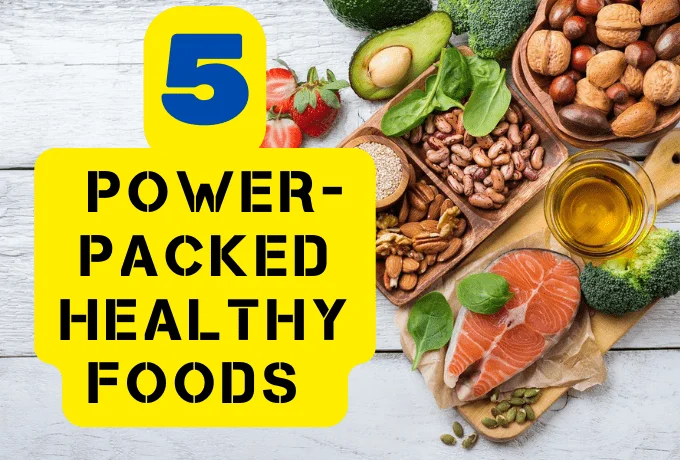
Walnut and Apple Salad
Crisp apple slices combined with crunchy walnuts and leafy greens create a refreshing salad packed with heart-friendly nutrients. Walnuts are especially high in omega-3 fatty acids, while apples provide soluble fiber that supports healthy cholesterol levels. A light vinaigrette ties everything together without overwhelming the natural flavors.
Vegetable Stir-Fry with Tofu
A vibrant vegetable stir-fry with tofu delivers plant protein, antioxidants, and essential minerals in one colorful dish. Tofu contains compounds that may help lower LDL cholesterol, while a mix of vegetables adds fiber and vitamins. Using minimal oil and low-sodium sauces keeps the meal light yet satisfying.
Chia Seed Pudding with Fresh Fruit
Chia seeds absorb liquid to form a creamy pudding rich in omega-3 fatty acids, fiber, and protein. Topped with fresh fruit, this simple dish supports heart health while satisfying sweet cravings naturally. It can be prepared ahead of time, making it a convenient grab-and-go option.
Brown Rice and Vegetable Pilaf
Brown rice provides more fiber and nutrients than refined grains, helping to maintain healthy cholesterol levels. When cooked with mixed vegetables, herbs, and a small amount of olive oil, it becomes a wholesome pilaf that complements many main dishes. Its slow-digesting carbohydrates provide steady energy throughout the day.
Roasted Beet and Citrus Salad
Earthy roasted beets paired with bright citrus segments create a visually stunning and nutrient-rich salad. Beets contain nitrates that may support healthy blood flow, while citrus fruits add vitamin C and refreshing acidity. This combination delivers both flavor and cardiovascular benefits in every bite.
Whole-Grain Avocado Toast with Seeds
Whole-grain toast topped with mashed avocado and a sprinkle of sunflower or pumpkin seeds is a simple yet powerful meal. The fiber from whole grains and healthy fats from avocado help promote balanced cholesterol levels. Seeds add extra crunch along with minerals that support overall heart function.
Frequently Asked Questions
1. What foods are best for heart health?
Foods rich in fiber, healthy fats, antioxidants, and lean protein — such as whole grains, fish, fruits, vegetables, nuts, and legumes — are excellent for supporting cardiovascular health.
2. How often should I eat heart-healthy meals?
Ideally, most of your daily meals should focus on heart-friendly ingredients. Consistency over time has the greatest impact on long-term health.
3. Are fats bad for the heart?
Not all fats are harmful. Unsaturated fats found in olive oil, avocados, nuts, and fish can actually protect the heart when consumed in moderation.
4. Can heart-healthy food still taste good?
Absolutely. Herbs, spices, citrus, and natural ingredients can create delicious meals without relying on excess salt, sugar, or unhealthy fats.
5. Is salt harmful to heart health?
Excess sodium can raise blood pressure, which increases the risk of heart disease. Limiting processed foods and using herbs instead of salt can help.
6. What role does fiber play in heart health?
Fiber helps lower LDL (bad) cholesterol, improves digestion, and supports stable blood sugar levels — all of which benefit the heart.
7. Are plant-based meals good for the heart?
Yes, plant-based meals are typically lower in saturated fat and higher in fiber and antioxidants, making them highly beneficial for cardiovascular wellness.
8. Can I eat carbs on a heart-healthy diet?
Yes, especially complex carbohydrates like whole grains, legumes, and vegetables. These provide sustained energy and important nutrients.
9. Is fish better than red meat for the heart?
Fatty fish like salmon and sardines contain omega-3 fatty acids that support heart health, making them a better choice than high-fat red meats.
10. How does sugar affect the heart?
High sugar intake can contribute to obesity, diabetes, and inflammation — all risk factors for heart disease. Limiting added sugars is important.
11. Are nuts safe to eat daily?
Yes, in moderate portions. Nuts provide healthy fats, protein, and fiber that support cholesterol control and overall heart function.
12. Do heart-healthy diets help with weight control?
Yes, these diets emphasize nutrient-dense foods that promote fullness and reduce overeating, helping maintain a healthy weight.
13. Is dairy allowed in a heart-friendly diet?
Low-fat or fermented dairy options like yogurt can be included, but high-fat dairy products should be consumed sparingly.
14. Can snacks be heart-healthy too?
Definitely. Options like fruit, yogurt, nuts, seeds, or whole-grain crackers provide nutrition without harmful additives.
15. How important is portion control?
Portion size matters because even healthy foods can contribute to weight gain if eaten excessively, which may strain the heart.
16. Are smoothies good for heart health?
Smoothies made from whole fruits, vegetables, and unsweetened liquids can be very beneficial, especially when they contain fiber and minimal added sugar.
17. What cooking methods are best for the heart?
Grilling, steaming, baking, roasting, and sautéing with minimal oil are healthier options compared to deep frying.
18. Does hydration affect heart health?
Proper hydration helps maintain blood volume and circulation, supporting overall cardiovascular function.
19. Can heart-healthy eating reduce disease risk?
Yes, a balanced diet can lower blood pressure, improve cholesterol levels, reduce inflammation, and decrease the risk of heart disease.
20. Is it ever okay to indulge in treats?
Occasional indulgences are fine. The key is balance — maintaining healthy eating habits most of the time while enjoying treats in moderation.




Leave a Reply