Eating heart-healthy doesn’t mean sacrificing flavor. At Bitecraft.recipes, we’ve compiled 14 delicious recipes designed to nourish your heart while delighting your taste buds. From vibrant salads to protein-packed mains, these dishes will energize and transform your day.
1. Quinoa and Avocado Salad
A refreshing salad with protein-rich quinoa, creamy avocado, cherry tomatoes, and a lemon vinaigrette. Perfect as a light lunch or side dish.
2. Baked Salmon with Garlic and Herbs
Omega-3 rich salmon baked with garlic, rosemary, and a squeeze of lemon. Simple, flavorful, and excellent for heart health.
3. Lentil and Vegetable Stew
A comforting stew packed with lentils, carrots, tomatoes, and spinach. High in fiber, low in saturated fat, and perfect for a nourishing dinner.
4. Mediterranean Chickpea Bowl
Chickpeas, cucumbers, bell peppers, olives, and feta tossed with olive oil and lemon create a protein-rich, flavorful meal.
5. Grilled Chicken with Pesto and Veggies
Lean grilled chicken paired with a fresh basil pesto and roasted vegetables makes a wholesome and satisfying main course.
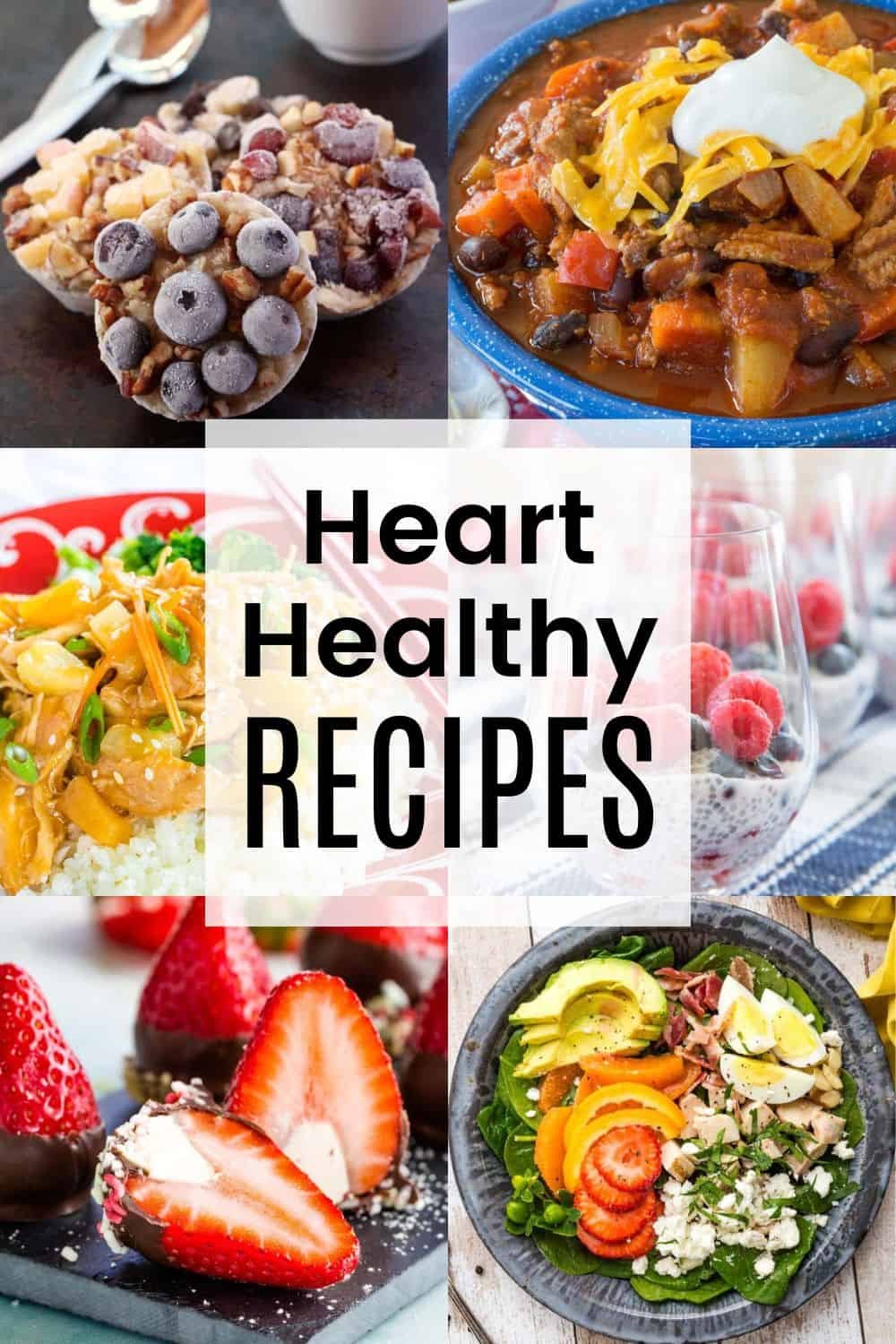
6. Oatmeal with Berries and Nuts
A heart-friendly breakfast featuring whole oats, antioxidant-rich berries, and a sprinkle of walnuts for healthy fats.
7. Spinach and Feta Stuffed Peppers
Bell peppers stuffed with a mixture of spinach, quinoa, and feta cheese make a colorful, nutritious, and satisfying meal.
8. Roasted Veggie and Hummus Wrap
Whole-grain wraps loaded with roasted vegetables and hummus provide fiber, protein, and heart-healthy fats for a quick meal.
9. Baked Cod with Lemon and Dill
Lean cod baked with a touch of olive oil, lemon, and fresh dill creates a light, flavorful, and heart-smart main course.
10. Sweet Potato and Black Bean Chili
Hearty chili made with sweet potatoes, black beans, and tomatoes offers fiber, antioxidants, and a warming, savory flavor.
11. Avocado Toast with Poached Egg
Whole-grain bread topped with creamy avocado and a poached egg makes a simple, nutrient-rich breakfast or snack.
12. Greek Yogurt Parfait with Fresh Fruit
A layered treat of Greek yogurt, berries, and granola that’s high in protein, probiotics, and antioxidants—perfect for breakfast or dessert.
13. Broccoli and Almond Stir-Fry
Quickly stir-fried broccoli with almonds and a light garlic sauce provides crunch, flavor, and nutrients that support heart health.
14. Whole-Grain Pasta with Tomato and Spinach
Whole-grain pasta tossed with fresh tomatoes, spinach, garlic, and olive oil delivers fiber, vitamins, and heart-friendly fats.
Explore More Heart-Healthy Recipes
Trusted External Resources
- American Heart Association – Healthy Eating
- Mayo Clinic – Heart-Healthy Nutrition
- Eat This – Heart-Healthy Recipes
Find Heart-Healthy Ingredients Near You
Locate local stores, farmers markets, or specialty shops for fresh heart-healthy ingredients using the map below: https://www.google.com/maps?q=farmers+market+near+me&output=embed
These 14 delicious heart-healthy recipes will energize your day while supporting your heart. Discover more nutritious and flavorful dishes with Bitecraft.recipes!
The Importance of Heart-Healthy Meals
Eating heart-healthy meals helps reduce the risk of cardiovascular disease while providing essential nutrients. Incorporating lean proteins, whole grains, fruits, and vegetables supports overall wellness and long-term heart health.
Start Your Day with Energy
Breakfasts like oatmeal with berries, avocado toast, or Greek yogurt parfaits provide fiber, protein, and antioxidants to kickstart your day with energy and maintain a healthy heart.
Wholesome Lunch Options
Salads, wraps, and grain bowls featuring heart-healthy ingredients like quinoa, chickpeas, and fresh vegetables make satisfying and nutritious lunch choices.
Nutritious Dinner Ideas
Dinners such as baked salmon, grilled chicken, and vegetable stir-fries are rich in omega-3 fatty acids, lean proteins, and essential vitamins that promote heart health.
Snack Smart for Heart Health
Snacks like almonds, fresh fruit, or hummus with veggies provide fiber and healthy fats, helping maintain energy levels and support cardiovascular wellness throughout the day.
Flavorful Ways to Cook Vegetables
Roasting, steaming, or stir-frying vegetables with herbs and a touch of olive oil keeps them nutrient-rich and adds depth of flavor to heart-healthy meals.
Incorporating Whole Grains
Whole grains like brown rice, quinoa, and whole-grain pasta provide fiber, B vitamins, and minerals. They help maintain healthy cholesterol levels and support heart function.
Lean Proteins for a Healthy Heart
Choosing lean proteins such as chicken, fish, legumes, and tofu provides essential amino acids without excess saturated fat, keeping meals heart-friendly and satisfying.
Healthy Fats That Boost Flavor
Incorporate heart-healthy fats like olive oil, avocado, and nuts to enhance taste while supporting cardiovascular health. These fats help reduce inflammation and improve cholesterol levels.
Meal Planning for Heart Health
Planning your meals in advance ensures you include a variety of nutrients, maintain portion control, and enjoy delicious, heart-healthy dishes every day without stress.
Heart-Healthy Soups and Stews
Soups and stews made with legumes, vegetables, and lean proteins are nutrient-dense and satisfying. They provide fiber, vitamins, and minerals while keeping sodium levels in check for a healthy heart.
Delicious Salads Packed with Nutrients
Salads featuring leafy greens, colorful vegetables, nuts, and seeds are not only visually appealing but also provide antioxidants and fiber that support cardiovascular health.
Incorporating Plant-Based Proteins
Beans, lentils, tofu, and chickpeas are excellent plant-based proteins for heart-healthy meals. They are rich in fiber and low in saturated fat, making them a smart choice for any diet.
Flavorful Spices for Heart Health
Using herbs and spices like garlic, turmeric, cinnamon, and oregano can enhance flavor without adding salt, sugar, or unhealthy fats, making dishes both tasty and heart-smart.
Smart Ways to Use Dairy
Opt for low-fat or fat-free dairy products such as yogurt, milk, and cheese to add calcium and protein without increasing saturated fat intake, keeping meals heart-healthy.
Hydrating and Heart-Friendly Beverages
Water, herbal teas, and freshly squeezed juices provide hydration and antioxidants. Avoid sugary drinks to maintain healthy blood pressure and heart function.
Quick and Easy Meal Prep Tips
Batch cooking vegetables, grains, and proteins allows you to prepare heart-healthy meals in advance. This saves time and ensures balanced nutrition throughout the week.
Incorporating Omega-3 Rich Foods
Fatty fish like salmon, chia seeds, and walnuts are rich in omega-3 fatty acids, which support heart health by reducing inflammation and improving cholesterol levels.
Healthy Desserts That Support the Heart
Opt for desserts made with fruit, nuts, or dark chocolate. These satisfy sweet cravings while providing antioxidants and fiber, keeping indulgences heart-smart.
Mindful Eating for Cardiovascular Wellness
Practicing mindful eating—eating slowly, savoring flavors, and paying attention to portion sizes—supports heart health by helping manage weight and reducing stress on the cardiovascular system.
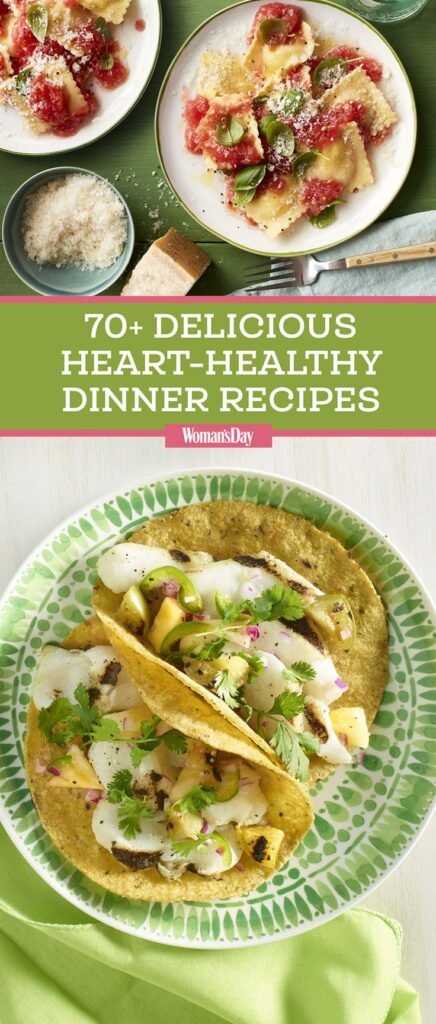
Kickstart Your Day with Healthy Recipes
Starting your morning with Healthy Recipes like oatmeal bowls, smoothie bowls, or avocado toast sets the tone for a day full of energy and balanced nutrition.
Lunch Ideas Full of Flavor
Healthy Recipes for lunch can include grain bowls, salads with lean proteins, and vegetable-packed wraps. These meals provide fiber and protein to keep you energized throughout the afternoon.
Wholesome Dinner Options
Delicious Healthy Recipes for dinner include baked fish, roasted chicken with vegetables, or plant-based stir-fries. These meals are satisfying while supporting heart health.
Quick Snacks to Keep You Going
Snacks like nuts, fruit, yogurt, or hummus with vegetables are simple Healthy Recipes that maintain energy levels and promote wellness between meals.
Meal Prep Made Easy
Preparing Healthy Recipes in advance saves time and ensures that nutritious meals are always available. Batch-cooked grains, roasted vegetables, and lean proteins make weeknight cooking effortless.
Global Flavors in Healthy Recipes
Incorporate international cuisines in your Healthy Recipes by using herbs, spices, and unique ingredients. Mediterranean, Asian, and Latin-inspired dishes add variety and excitement to your meals.
Balanced Meals with Healthy Recipes
Combine lean proteins, whole grains, and colorful vegetables to create Healthy Recipes that are nutrient-rich, satisfying, and supportive of overall wellness.
Heart-Friendly Cooking Techniques
Use baking, steaming, grilling, and sautéing in your Healthy Recipes to retain nutrients, enhance flavors, and reduce unnecessary fats for a heart-smart diet.
Incorporating Superfoods
Add ingredients like berries, spinach, kale, and nuts to your Healthy Recipes to boost antioxidants, fiber, and vitamins for better heart and overall health.
Delicious Desserts Without Guilt
Create Healthy Recipes for dessert using fruits, yogurt, or dark chocolate. These options satisfy sweet cravings while keeping meals nutritious and heart-friendly.
Frequently Asked Questions
1. What are heart-healthy meals?
Heart-healthy meals are dishes that support cardiovascular wellness, typically low in saturated fat, cholesterol, and sodium, while rich in fiber, lean protein, and nutrients.
2. Why is fiber important for heart health?
Dietary fiber helps lower cholesterol levels, improve digestion, and maintain healthy blood sugar, all of which contribute to a healthy heart.
3. What proteins are best for heart-healthy recipes?
Lean proteins like chicken, fish, legumes, tofu, and low-fat dairy are ideal for supporting heart health without excess saturated fat.
4. Can I eat eggs on a heart-healthy diet?
Yes, eggs are rich in protein and nutrients. Consuming them in moderation can be part of a heart-healthy diet.
5. Are whole grains better than refined grains?
Whole grains contain more fiber, vitamins, and minerals, which help reduce cholesterol and support heart health, making them a better choice than refined grains.
6. How much fish should I eat for heart health?
Eating fatty fish like salmon, trout, or sardines 2–3 times a week provides beneficial omega-3 fatty acids that protect the heart.
7. Can nuts and seeds improve cardiovascular health?
Yes, nuts and seeds contain healthy fats, fiber, and antioxidants that support heart function and help manage cholesterol.
8. Is olive oil good for the heart?
Olive oil is rich in monounsaturated fats, which help reduce bad cholesterol levels and improve overall heart health.
9. How can I reduce sodium in my meals?
Use herbs, spices, citrus, and low-sodium sauces instead of salt to flavor meals while keeping sodium intake low.
10. Are plant-based meals heart-healthy?
Yes, plant-based meals with vegetables, legumes, whole grains, and healthy fats support cardiovascular health and provide essential nutrients.
11. Can I enjoy desserts on a heart-healthy diet?
Yes, choose desserts with fruits, dark chocolate, or nuts for natural sweetness and added nutrients without excess sugar and unhealthy fats.
12. How do antioxidants help the heart?
Antioxidants in fruits, vegetables, nuts, and seeds help reduce inflammation and prevent oxidative damage to blood vessels, supporting heart health.
13. What beverages are best for heart health?
Water, herbal teas, and natural juices are good choices. Limit sugary drinks and alcohol to protect cardiovascular wellness.
14. Can smoothies be heart-healthy?
Yes, smoothies made with fruits, vegetables, yogurt, and nuts provide fiber, antioxidants, and healthy fats without added sugar.
15. How do spices contribute to heart health?
Spices like garlic, turmeric, cinnamon, and ginger have anti-inflammatory and antioxidant properties that can support cardiovascular function.
16. Can I use cheese in heart-healthy recipes?
Yes, but choose low-fat or reduced-fat cheese options to limit saturated fat while still adding flavor and calcium.
17. Are soups and stews good for heart health?
Yes, soups and stews with vegetables, legumes, and lean proteins provide fiber, vitamins, and minerals, supporting heart health.
18. How can I make my meals more colorful and nutritious?
Include a variety of fruits and vegetables with different colors to maximize vitamins, minerals, and antioxidants for heart health.
19. Can I prep heart-healthy meals in advance?
Absolutely. Batch cooking grains, proteins, and vegetables allows for quick, nutritious, and heart-healthy meals throughout the week.
20. Is it better to bake or grill foods for heart health?
Baking and grilling reduce the need for added fats and help maintain nutrients, making them ideal cooking methods for heart-healthy meals.
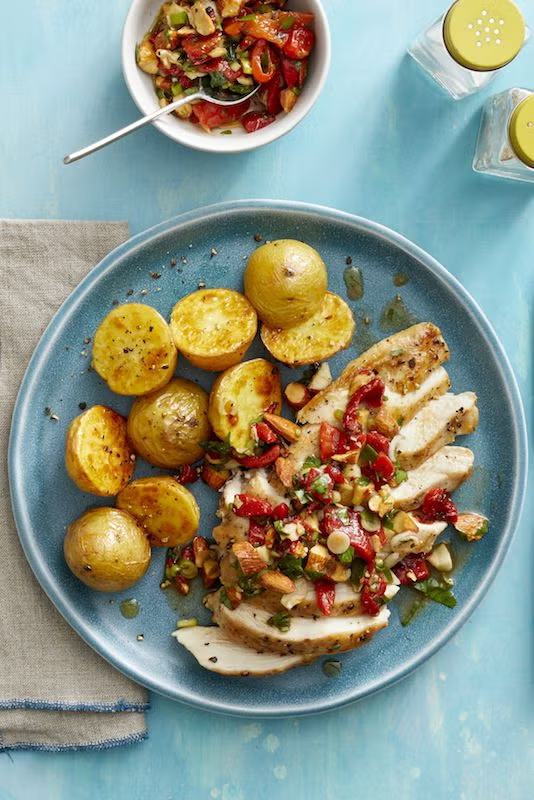
21. Can I enjoy pasta on a heart-healthy diet?
Yes, use whole-grain pasta and pair it with vegetables, lean proteins, and light sauces to keep meals nutritious and heart-friendly.
22. How important is portion control for heart health?
Maintaining proper portion sizes helps manage weight, cholesterol, and blood pressure, all of which are important for a healthy heart.
23. Can I include dairy in heart-healthy recipes?
Low-fat or fat-free dairy provides protein and calcium without excessive saturated fat, making it suitable for heart-healthy meals.
24. Are beans and lentils beneficial for cardiovascular health?
Yes, legumes are high in fiber and plant-based protein, which help lower cholesterol and support healthy blood pressure.
25. How can I make meals more satisfying without added fat?
Use herbs, spices, lean proteins, fiber-rich vegetables, and whole grains to create filling and flavorful meals that are also heart-healthy.



Leave a Reply