Welcome to Bitecraft.recipes, where every ingredient has a story to tell. The Grand Spice Treasury is a treasure chest of pungent aromas, vivid colors and magical flavors gathered from all over the world. These 21 Delicious secrets are more than flavorings, they are culinary powerhouses that can transform humble dishes into unforgettable feasts.
Discover more flavor-packed ingredients in our internal guide: Ultimate Spice Treasury Collection. For a deeper dive into the history and trade of spices, see encyclopedia Britannica — Spices
1.Saffron – The Cooking World’s Liquid Gold
Saffron has a unique floral aroma, honeyed depth and radiant color. Still the crown jewel of luxury cooking, it is hand-harvested from fragile crocus flowers.
Source Map — Iranian Saffron Belt
https://maps.google.com/maps?q=Iran&t=&z=5&ie=UTF8&iwloc=B&output=embed
External resource: FAO – Global Agriculture Insights
2.Black Cardamom – The Smoky Mystery
Black cardamom, on the other hand, has deep smoky notes, perfect for slow-cooked dishes, broths and hearty spice blends, unlike its sweet green cousin.
3.White Pepper — The Silent Heat
White pepper is less showy but more pungent . It adds heat to a dish without changing its color , making it a favorite in refined sauces .
4.Star Anise – The Anise Star
It’s eye-catching in shape and has a bold flavor that grounds broths, braises, and festive beverages.
5.Cloves — Tiny Flames of Warmth
The scent is strong, a little numbing. Cloves add dramatic depth to sweet and savory creations.
6.Cinnamon – Sweet Heat in Bark Form
True cinnamon is sweet yet mild, with a warm, woodsy note that soothes and uplifts.
7.Nutmeg — The Seed of Velvet
The sweet, nutty perfume of freshly grated nutmeg makes it ideal for creamy dishes and desserts.
8.Turmeric – The Golden Protector
Earthy and vibrant turmeric adds color, subtle bitterness and celebrated wellness benefits.
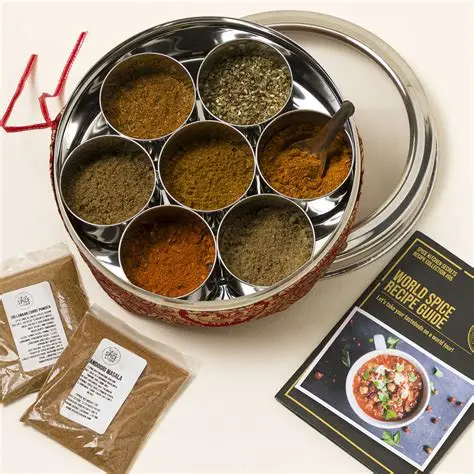
9.Smoked paprika – Ember in the dust
This Spanish classic is sweet and warm with deep smoky complexity.
10.Sumac – The Crimson Citrus Dust
Sumac is bright and tangy and lemony, but without the liquid sourness.
11.Fenugreek – The Maple Whisper
Fenugreek is a staple in many curry traditions, having a bittersweet flavor with caramel notes.
12.Mustard Seeds — Tiny Flavor Bombs
These seeds, tempered in hot oil, give nutty heat and an irresistible aroma.
13.Coriander Seeds – Citrus in Disguise
Coriander seeds are light, warm and slightly lemony. They brighten spice blends and marinades.
14.Fennel Seeds – Sweet Anise Sophistication
Fennel is cool and aromatic, adding sweetness to savory foods and herbal infusions.
15.Bay Leaves – The Silent Hero
Bay leaves are often ignored but they add subtle depth that rounds out soups and stews.
16.Allspice – The One-Spur Symphony
Allspice is a blend of cinnamon, nutmeg and clove notes and offers remarkable complexity.
17.Sichuan Pepper – Electric Citrus Heat
This is a spice known for its numbing effect, providing a distinctively lively mouthfeel.
18.Ajwain – The Thyme-Like Powerhouse
Ajwain is sharp and pungent, and gives fried foods and savory breads a strong aroma.
19.Nigel Seeds – Jewels of Midnight
Nigel seeds add texture and an onion-like depth, crunchy and a little bitter.
20.Dried Ginger—Intensified Warmth
Dried ginger has a deeper, longer-lasting heat than fresh ginger.
21.Exploding Flowers – Pink Peppercorns
Pink peppercorns add a dash of color and subtle spice to sophisticated dishes.
The Importance of the Grand Spice Treasury
When you have a good spice treasury, it means you can be creative, authentic, and confident in the kitchen. These bold aromatics allow cooks to layer flavors, explore global cuisines, and create signature dishes that feel comforting and adventurous at the same time.
Adds complexity to flavor
Makes you less dependent on too much salt or sugar
Supports a healthier, more vibrant cooking process
Links modern cooking to the ancient culinary traditions
Check out our Pantry Essentials Guide for more must-have ingredients.
The Secret Power of the Great Spice Repository
There is a silent force behind every great dish: the careful selection of spices that creates aroma, depth and character. The Grand Spice Treasury is not merely a list of ingredients, but a source of culinary power. Each spice has flavor compounds in a concentrated form that can take even the simplest meal and turn it into a bold, memorable experience.
A symphony of bold scents
The blend of several spices creates a layered aroma that is much more complex than any one spice. Warm, smoky, citrus, sweet and pungent notes come together like instruments in an orchestra. The harmony of the scent stimulates appetite, enhances perception of taste and makes every bite feel indulgent and complex.
Secret Cooking, Ancient Modern
Many spices in the treasury have been used for thousands of years, prized not only for flavor but for preservation and wellness. Ancient civilizations guarded these secrets, traded between continents, and used them in rituals, medicines, and royal feasts. Today, these same time-honored ingredients still bring that legacy to our modern kitchens.
The Art of Layering Bold flavors
The real genius of spices is in the layering, and the thoughtfulness. Some spices make for a warm base, others add brightness to the palate, others deliver the final spark of intensity. By understanding the interplay of these roles, cooks can construct dishes that evolve slowly, delivering new notes with every bite, rather than assaulting the senses all at once.
Why Freshness Is the Key to Fragrance
The strength of a spice depends a lot on its freshness. Spices lose their flavor over time as the aromatic essential oils evaporate. A freshly ground or just-harvested spice has an active aroma that immediately fills the kitchen. It is a sign of quality and a promise of a better-tasting food result.
From Kitchen Storage to Kitchology Treasury
When you think of spices as treasures, not just afterthoughts, it changes how you store and use them. Well-chosen containers, protection from light and moisture and careful storage preserve their brilliance. Over time, this curated arrangement becomes a personal treasure vault – a fount of inspiration ready to unlock countless flavor possibilities.
Transforming everyday fare into majestic experiences
One of the best things about being able to take ordinary cooking to new heights is a strong spice treasury. Simple soup becomes comfort food, roasted vegetables become complex beyond belief, and simple grains become fragrant centerpieces. The right spices can turn everyday meals into a celebration, a luxury, a feeding of the heart.
A gateway to global culinary discovery
Every spice bears the identity of its homeland, a passport to cuisines around the globe. Home cooks can experiment with different combinations and travel from Middle Eastern bazaars to South Asian kitchens or Mediterranean coastlines, all from the comfort of their homes. The Grand Spice Treasury is thus a doorway to cultural discovery through taste.
Revealing the Secret Deliciousness of Everyday Food
Cooking is all about the little things that make a dish unforgettable. These delicious secrets can turn a simple meal into a feast, from a whiff of fragrant herbs to the right seasoning. By learning these tricks, not only the taste will be improved, but each bite will be a happy experience for your family and friends.
The Delicious Secrets of Perfect Desserts
Have you ever wondered why some desserts always taste divine? The tasty secrets are often in the combination of ingredients and in the timing of the preparation. With simple swaps like fresh vanilla or a pinch of sea salt, your desserts are elevated to irresistible, leaving everyone begging for seconds.
Cooking Delicious Healthy and Flavorful Meals Secrets to
Healthy cooking is far from boring. With a little know-how you can learn some tasty tricks like roasting vegetables with a drizzle of olive oil or a dash of citrus to make meals that are both nutritious and full of flavor. These tips demonstrate that healthy eating can still be a pleasure and indulgence.
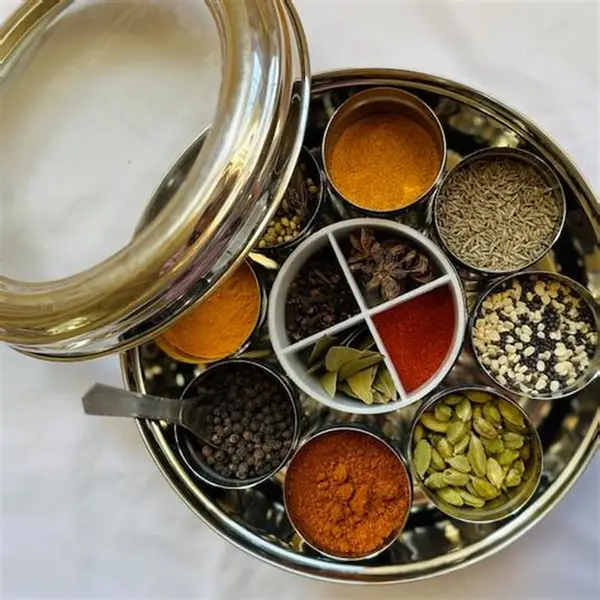
Adding Flavor to Your Life: Tasty Secrets for Flavorful Dishes
Spices can elevate any dish from ordinary to extraordinary. The delicious secrets of using spices effectively are to Balance heat, aroma and depth of flavor. From bold cumin in curries to fragrant cinnamon in desserts, these secrets will liven up your dishes and make every meal a celebration.
Delicious Secrets Every Kitchen Cook Should Know
Even the simplest meals taste gourmet when you know the yummy secrets. “You can do a lot with things like seasoning properly, layering flavors, and using fresh ingredients.” These tips allow home cooks to impress their guests, satisfy their families’ cravings and enjoy the art of cooking with confidence.
Frequently Asked Questions – Grand Spice Treasury
What is the Grand Spice Treasury?
The Grand Spice Treasury is a collection of bold, high quality spices sourced to enhance flavor, aroma and depth in cooking.
Why do you think spices matter in cooking?
Spices add complexity, fragrance, color and character to basic ingredients, transforming them into flavorful, memorable dishes.
What makes a spice taste “bold”?
Bold spices are rich in strong aromatic compounds, which provide bold flavor in small quantities.
How do you store spices for optimal freshness?
Keep in airtight containers in a cool, dry, dark place, away from heat and sunlight.
Are whole spices better than ground spices?
Whole spices keep their essential oils longer and are usually more fragrant and flavorful when ground just before use.
What is the general shelf life of spices?
Ground spices last about 6-12 months . Whole spices can last several years , if stored correctly .
Do spices lose their potency with age?
Sure. Their aromatic oils are gradually lost when they are exposed to air, light and moisture.
What’s the best way to bring back the taste of older spices?
Lightly toasting them in a dry pan helps to release the remaining oils and to intensify the aroma.
Spicy foods and spiced foods are the same?
No. Spicy foods have heat from chili peppers, spiced foods have aromatic seasonings without heat.
Why do chefs fry spices before putting them in the pan?
Toasting releases the essential oils and creates a deeper aromatic complexity, bringing out flavor.”
Do spices aid digestion?
Many traditional spices, such as fennel and ginger, have properties that aid digestion.
Are organic spices worth the extra cost?
Organic spices can cut pesticide exposure and sometimes taste cleaner, but quality depends on where you buy them.
What are bloom spices in oil?
Blooming is heating spices in fat to dissolve fat-soluble compounds and release intense aroma.
Can you use spices in sweet dishes?
Sure. Cinnamon , nutmeg , cardamom and many spices are common in desserts .
Some spices change color when cooked.
Heat alters natural pigments, making them appear more intensely or more softly in a dish.
What are the most versatile spices?
Black pepper, cumin, coriander, paprika and garlic powder are very widely used in many cuisines.
How do I begin building a spice treasury?
Start with the common spices you use and then gradually add the specialty spices for new cuisines.
Do spices replace salt in recipes?
While bold spices can add flavor and help reduce the need for too much sodium, they can never fully replace salt’s function.
Are there any spices that naturally go well together?
That’s right. Cinnamon & Nutmeg, Cumin & Coriander, and Fennel & Star Anise are all common couples.
What makes some spices associated with particular cultures?
Over centuries, climate, agriculture and culinary traditions have influenced the way spices are used in different regions.
Are spices harmful if used in excess?
Most culinary spices are safe in normal amounts but very large quantities might cause irritation or upset the stomach.
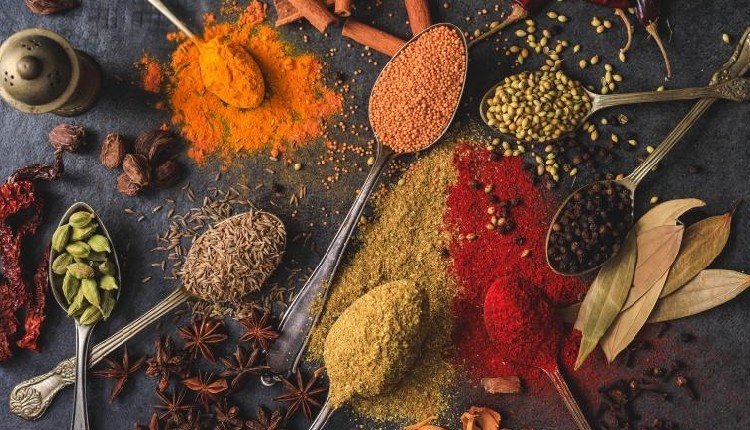
How do I tell if a spice is stale?
A faint or dusty smell and a dull taste are signs of a spice that has lost its strength.
Do spices have nutrients?
Yeah. Many spices contain antioxidants, trace minerals, and healthy plant compounds.
Spices are used in beverages?
Teas, coffees, cocktails and hot drinks are frequently spiced up with spices for added depth and scent.
Why grind your own spices?
Bright, complex flavor comes from the fresh grind of volatile oils, not from per-ground versions.
What is the greatest benefit of a Grand Spice Treasury?
It opens the door to endless culinary creativity, letting you create authentic global dishes and bring bold, fragrant character to everyday meals.