Focus Keyword: Vegetable Recipes
Introduction
Vegetables do not have to be boring. A few simple ingredients can turn them into delicious meals. The secret is in the seasoning, cooking method, and combination of flavors.
These amazing veggie recipes bring color and taste to your table. They use everyday ingredients and easy cooking steps. You can prepare them for lunch, dinner, or a quick family meal.
From crispy roasted vegetables to spicy vegetable stir-fry, there is something for every taste. You can also change the ingredients to match your budget. Let’s explore vegetable recipes that make healthy eating more enjoyable.
Why Vegetable Recipes Deserve a Place on Your Menu
Vegetables offer vitamins, minerals, and fiber. Different vegetables provide different nutrients. Eating a variety of colors helps you enjoy a wider range of them.
Homemade vegetable dishes also give you control over the ingredients. You can adjust the oil, salt, and spices. Fresh, frozen, and suitable canned vegetables can all be useful choices.
Here are a few reasons to add more vegetables to your meals:
- More variety: Try new colors, textures, and flavors.
- Easy meal planning: Use vegetables in soups, salads, rice dishes, and curries.
- Budget-friendly cooking: Choose seasonal vegetables and use leftovers.
- Flexible recipes: Replace ingredients with what you already have.
- Simple preparation: Many vegetable dishes need only a few steps.
1. Crispy Garlic Roasted Vegetables
Roasting gives vegetables golden edges and a rich flavor. Garlic and herbs make this dish even better. Serve it with rice, bread, grilled chicken, or beans.
Preparation time: 15 minutes
Cooking time: 25–35 minutes
Total time: 40–50 minutes
Servings: 4
Ingredients
- 2 medium potatoes, cut into cubes
- 2 carrots, sliced
- 1 bell pepper, chopped
- 1 small zucchini, sliced
- 1 small red onion, cut into wedges
- 3 garlic cloves, minced
- 2 tablespoons olive oil or another cooking oil
- 1 teaspoon paprika
- ½ teaspoon black pepper
- 1 teaspoon dried mixed herbs
- Salt to taste
- 1 teaspoon lemon juice
Instructions
- Preheat the oven to 220°C (425°F).
- Wash and dry the vegetables.
- Cut them into similar-sized pieces.
- Place the vegetables in a large bowl.
- Add the oil, garlic, paprika, herbs, pepper, and salt.
- Toss everything until evenly coated.
- Spread the vegetables on a large baking tray.
- Leave space between the pieces.
- Roast for 15 minutes. Turn the vegetables.
- Roast for another 10–20 minutes, until tender and lightly golden.
- Add lemon juice before serving.
Cooking tip: Potatoes and carrots take longer than zucchini. Cut the harder vegetables smaller, or add the softer vegetables later. Check the tray often to prevent burning.
Easy variation: Add cauliflower, broccoli, or mushrooms. Use chili flakes if you prefer a little heat.
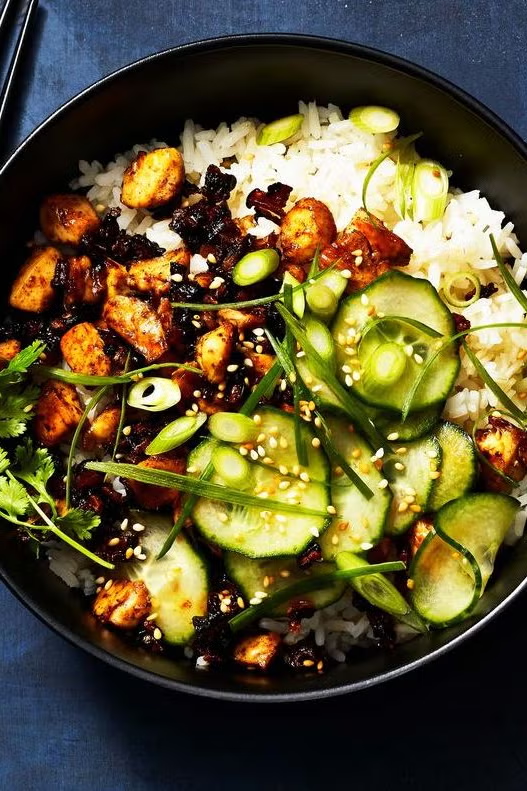
2. Quick Spicy Vegetable Stir-Fry
This colorful stir-fry is perfect for busy days. It cooks quickly and uses simple pantry seasonings. Serve it alone or with rice or noodles.
Preparation time: 15 minutes
Cooking time: 12–15 minutes
Total time: 27–30 minutes
Servings: 3
Ingredients
- 1 bell pepper, sliced
- 1 medium carrot, cut into thin strips
- 1 small zucchini, sliced
- 1 cup broccoli florets
- 1 small onion, sliced
- 2 garlic cloves, chopped
- 1 tablespoon cooking oil
- 1 tablespoon soy sauce
- ½ teaspoon paprika
- ¼ teaspoon chili flakes, optional
- ½ teaspoon black pepper
- 1 teaspoon lemon juice
- 2 tablespoons water, if needed
Instructions
- Wash and cut all the vegetables before cooking.
- Heat the oil in a large pan over medium-high heat.
- Add the onion and carrot. Stir-fry for 3 minutes.
- Add the broccoli and bell pepper.
- Cook for another 3 minutes.
- Add the zucchini and garlic.
- Stir in the soy sauce, paprika, black pepper, and chili flakes.
- Add a little water if the pan becomes too dry.
- Cook for another 2–4 minutes. Keep the vegetables slightly crisp.
- Turn off the heat and add lemon juice.
- Serve immediately.
Cooking tip: Do not overcook the vegetables. They taste better when they keep some texture.
Easy variation: Add chickpeas, tofu, or cooked beans to make the dish more filling. For less sodium, use a reduced-sodium soy sauce.
3. Creamy Spinach and Mushroom Skillet
Spinach and mushrooms create a rich, savory combination. A light creamy sauce brings the ingredients together. This dish works well as a side or a meat-free main meal.
Preparation time: 10 minutes
Cooking time: 15 minutes
Total time: 25 minutes
Servings: 3
Ingredients
- 250 g mushrooms, sliced
- 3 cups fresh spinach
- 1 small onion, finely chopped
- 2 garlic cloves, minced
- 1 tablespoon cooking oil
- ½ cup milk
- 2 tablespoons plain yogurt or ¼ cup cooking cream
- 2 tablespoons grated cheese, optional
- ½ teaspoon black pepper
- ½ teaspoon dried oregano
- Salt to taste
Instructions
- Heat the oil in a skillet.
- Add the onion and cook for 3 minutes.
- Add the mushrooms and cook until their moisture reduces.
- Stir in the garlic and oregano.
- Add the spinach in small batches.
- Cook until the spinach wilts.
- Lower the heat and add the milk.
- Stir gently until the sauce is warm.
- If using yogurt, mix it with a spoonful of warm sauce first. Then stir it into the pan over low heat.
- Add the cheese, pepper, and a little salt.
- Cook briefly until the sauce reaches your preferred thickness.
Cooking tip: Avoid boiling the sauce after adding yogurt. High heat can make it separate.
Easy variation: Serve over whole-wheat toast, pasta, or brown rice. Add a pinch of nutmeg for extra flavor.
4. Homemade Vegetable and Chickpea Curry
This curry combines vegetables, chickpeas, and warm spices. It is hearty and easy to adjust. Serve it with rice or flatbread for a satisfying meal.
Preparation time: 15 minutes
Cooking time: 25–30 minutes
Total time: 40–45 minutes
Servings: 4
Ingredients
- 1½ cups cooked chickpeas, drained
- 1 medium potato, diced
- 1 carrot, diced
- 1 cup cauliflower florets
- 2 medium tomatoes, chopped
- 1 medium onion, chopped
- 2 garlic cloves, minced
- 1 teaspoon grated ginger
- 2 tablespoons cooking oil
- 1 teaspoon cumin powder
- ½ teaspoon turmeric
- 1 teaspoon coriander powder
- ½ teaspoon paprika or chili powder
- Salt to taste
- 1½ cups water or vegetable stock
- Fresh coriander for serving
Instructions
- Heat the oil in a pot over medium heat.
- Add the onion and cook until soft.
- Add the garlic and ginger. Stir for 30 seconds.
- Add the cumin, turmeric, coriander powder, paprika, and salt.
- Stir in the tomatoes and cook until they soften.
- Add the potato, carrot, cauliflower, and chickpeas.
- Pour in the water or vegetable stock.
- Cover and simmer for 20–25 minutes.
- Check the potatoes and carrots with a fork.
- Cook a little longer if they are still firm.
- Mash a few chickpeas into the sauce if you want a thicker curry.
- Finish with fresh coriander.
Cooking tip: Add water gradually if the curry becomes too thick. If it is too thin, simmer it uncovered for a few extra minutes.
Easy variation: Replace the cauliflower with green beans or peas. Add spinach near the end for more color.
5. Fresh Crunchy Vegetable Salad
A fresh salad adds brightness to a meal. The crunchy vegetables pair well with a simple lemon dressing. You can serve this salad with curry, rice, roasted vegetables, or sandwiches.
Preparation time: 15 minutes
Cooking time: None
Total time: 15 minutes
Servings: 3–4
Ingredients
- 1 cucumber, chopped
- 2 tomatoes, chopped
- 1 carrot, grated
- ½ red onion, thinly sliced
- 1 small bell pepper, chopped
- 2 tablespoons chopped fresh coriander or parsley
- 1 tablespoon lemon juice
- 1 tablespoon olive oil
- Black pepper to taste
- A small pinch of salt
Instructions
- Wash all vegetables under clean running water.
- Dry them with a clean towel.
- Chop the cucumber, tomatoes, onion, and bell pepper.
- Grate the carrot.
- Place everything in a large bowl.
- Add the fresh herbs.
- Mix the lemon juice, oil, black pepper, and salt in a small bowl.
- Pour the dressing over the vegetables.
- Toss gently and serve.
Cooking tip: Add the dressing just before serving. This helps the salad stay crisp.
Easy variation: Add cooked chickpeas, boiled eggs, or a little crumbled cheese for extra protein.
How to Choose the Best Vegetables
The best choice depends on the recipe, season, and what is available.
- For roasting: Potatoes, carrots, cauliflower, pumpkin, and broccoli work well.
- For stir-frying: Bell peppers, cabbage, carrots, zucchini, and green beans are good choices.
- For curries: Potatoes, peas, spinach, cauliflower, and eggplant absorb spices well.
- For salads: Cucumber, tomatoes, carrots, cabbage, and lettuce add freshness.
- For creamy dishes: Mushrooms, spinach, peas, and cauliflower pair well with mild sauces.
Choose firm vegetables without large soft spots. Frozen vegetables can also save time. Check canned vegetables for added salt, and drain and rinse them when suitable.
Simple Ways to Make Vegetables Taste Better
Use spices wisely
Garlic, cumin, paprika, black pepper, and dried herbs can change the flavor of ordinary vegetables. Start with small amounts. Add more after tasting.
Cook each vegetable for the right amount of time
Hard vegetables need more cooking than soft ones. Add carrots and potatoes first. Add spinach and zucchini later.
Avoid too much water
Excess water can make roasted vegetables soft. Dry vegetables before roasting. Use a wide pan for stir-frying.
Add a fresh finish
Lemon juice, fresh herbs, or a little vinegar can brighten a dish. Add these near the end.
Try different textures
Combine crunchy carrots with soft beans. Pair roasted potatoes with fresh salad. Different textures make meals more enjoyable.
Use oil in sensible amounts
A small amount of oil helps seasonings coat vegetables and supports browning. Measure it instead of pouring freely.
Healthy Vegetable Meal Ideas for Every Day
You do not need a different complicated recipe every day. Small changes can make your weekly meals more interesting.
- Monday: Garlic roasted vegetables with rice.
- Tuesday: Spicy vegetable stir-fry with noodles.
- Wednesday: Chickpea curry with flatbread.
- Thursday: Creamy spinach and mushroom toast.
- Friday: Crunchy vegetable salad with baked potatoes.
- Saturday: Vegetable fried rice with egg or tofu.
- Sunday: Homemade vegetable soup with whole-grain bread.
Use this plan as a starting point. Swap dishes to match your schedule and available ingredients.
What to Serve With Vegetable Recipes
Vegetable dishes can be served alone or alongside other foods.
- Rice: A good match for curry and stir-fry.
- Flatbread: Works well with chickpea curry and roasted vegetables.
- Beans or lentils: Add plant-based protein and fiber.
- Eggs or tofu: Make a vegetable meal more filling.
- Whole-grain bread: Pairs well with creamy mushrooms and salads.
- Plain yogurt: Offers a cool contrast to spicy dishes.
For a balanced meal, combine vegetables with a suitable protein source and a grain or other filling food. Choose portions that fit your needs and appetite.
How to Store and Reheat Vegetable Dishes
Good storage helps reduce food waste and keeps leftovers safe.
- Let hot food stop steaming heavily, then refrigerate it promptly.
- Store leftovers in clean, covered containers.
- Refrigerate cooked food within two hours.
- Eat refrigerated leftovers within 3–4 days.
- Reheat leftovers until they reach 74°C (165°F).
- Store salad dressing separately from the salad.
- Freeze suitable cooked curries and vegetable dishes in labeled portions.
Some vegetables become softer after freezing. Soups, curries, and sauces usually handle freezing better than fresh salads.
Common Vegetable Cooking Mistakes to Avoid
Overcrowding the roasting tray: Vegetables may steam instead of browning. Use two trays if needed.
Adding garlic too early: Garlic can burn quickly. Add it later when stir-frying or roasting softer vegetables.
Using too much salt: Season gradually and taste before serving. Lemon and herbs can add flavor without extra salt.
Cutting vegetables into very different sizes: Small pieces cook faster than large ones. Keep the sizes similar.
Cooking every vegetable for the same time: Add firm vegetables first and delicate ones later.
Using no seasoning: A little oil, spice, and acid can make a big difference. Keep the combination simple and balanced.
Frequently Asked Questions
1. What are the easiest vegetable recipes for beginners?
Roasted vegetables, simple stir-fries, fresh salads, and vegetable curries are good starting points. They use common ingredients and simple cooking methods.
2. How can I make vegetable recipes more flavorful?
Use garlic, herbs, spices, and lemon juice. Roast vegetables until lightly golden, or stir-fry them quickly to keep their texture.
3. Which vegetables are best for healthy meals?
Broccoli, carrots, spinach, tomatoes, bell peppers, cabbage, and cauliflower are useful choices. Include different vegetables throughout the week for variety.
4. Can I use frozen vegetables instead of fresh ones?
Yes. Frozen vegetables are convenient and work well in curries, soups, and stir-fries. Follow the package instructions and avoid overcooking them.
5. How do I make vegetables appealing to picky eaters?
Try different shapes and cooking methods. Serve familiar vegetables with a mild dip. Let people choose their favorite seasonings or combinations.
6. Are roasted vegetables a healthy choice?
Roasted vegetables can be part of a balanced diet. Use a sensible amount of oil and avoid charring them. Steaming, sauteing, and roasting all offer useful options.
7. How can I make vegetable meals more filling?
Add chickpeas, lentils, beans, tofu, eggs, or another protein source. Serve the dish with rice, potatoes, or whole grains.
8. What are the best vegetables for quick dinners?
Spinach, zucchini, mushrooms, bell peppers, peas, and thinly sliced carrots cook relatively quickly. Frozen vegetables can also save preparation time.
9. Can I prepare vegetable recipes in advance?
Yes. Wash and chop suitable vegetables ahead of time. You can also cook curries and roasted vegetables in advance. Store them safely in the refrigerator.
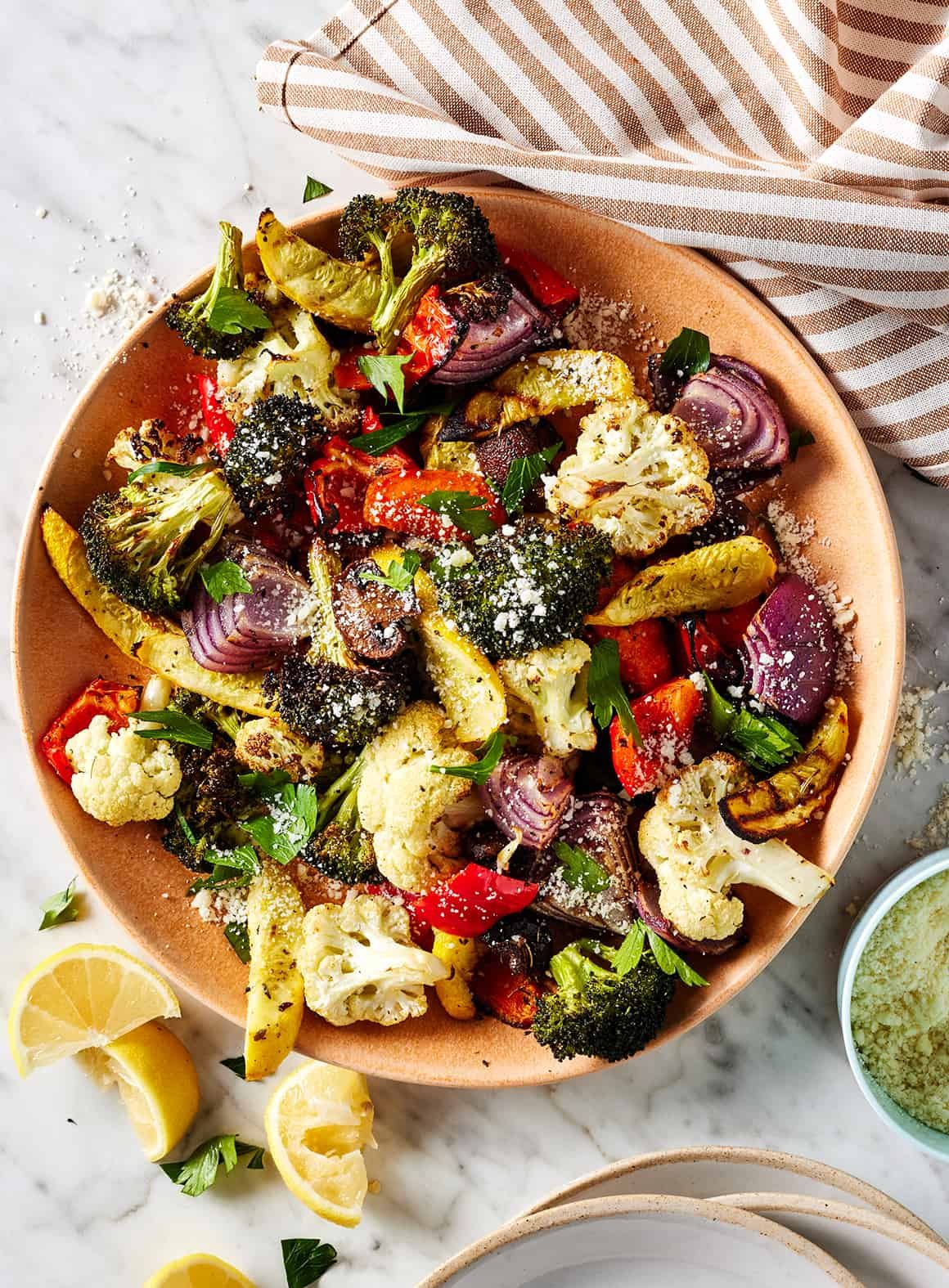
10. How do I keep roasted vegetables crispy?
Dry them well, use a hot oven, and spread them in a single layer. Avoid adding too much oil or crowding the tray.
11. How can I make vegetable recipes on a budget?
Buy seasonal produce, compare fresh and frozen prices, and use affordable ingredients such as cabbage, carrots, potatoes, beans, and lentils. Plan meals around ingredients you already have.
12. What can I do with leftover cooked vegetables?
Add them to omelets, soups, pasta, rice, wraps, or grain bowls. Reheat them safely and use them within the recommended storage time.
Final Thoughts
Amazing veggie recipes can make everyday meals more colorful and enjoyable. You do not need expensive ingredients or complicated techniques. Simple seasonings, good cooking times, and fresh combinations can transform familiar vegetables.
Try the roasted vegetables when you want crisp edges. Make the stir-fry when time is short. Choose chickpea curry for a hearty meal, or prepare a fresh salad for a lighter option.
Keep experimenting with different vegetables and flavors. Healthy eating becomes easier when the food tastes good and fits your daily routine.