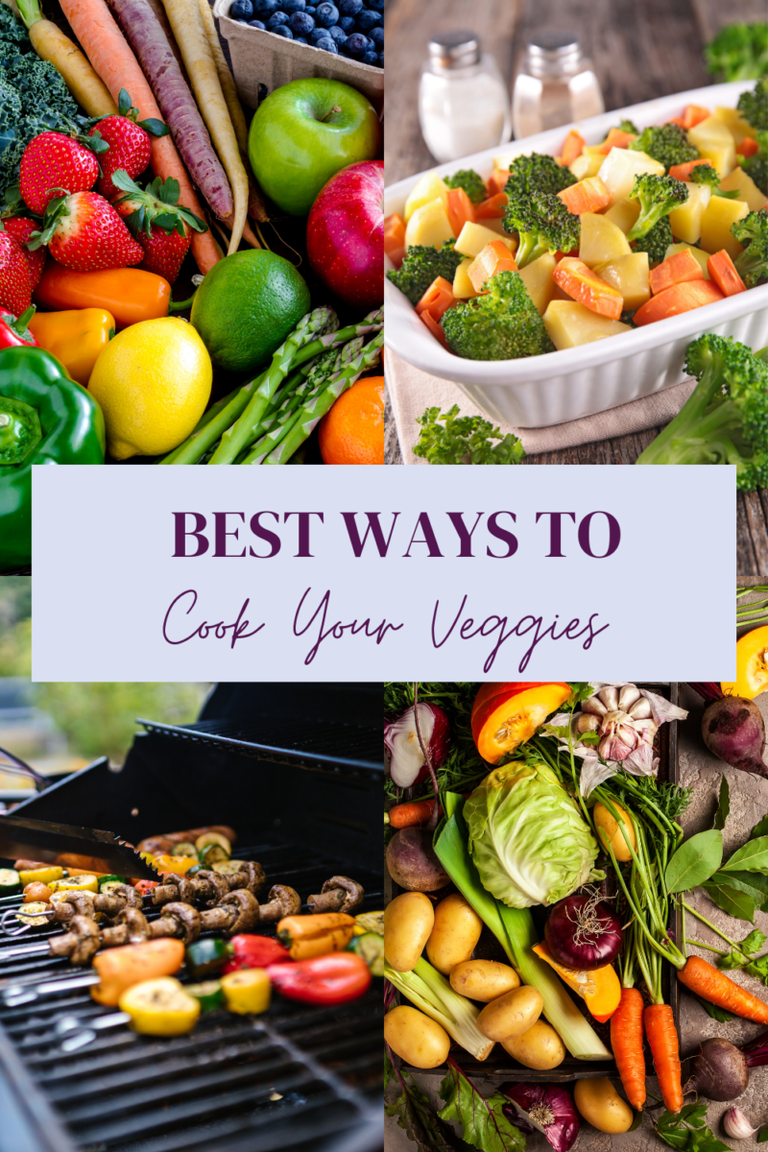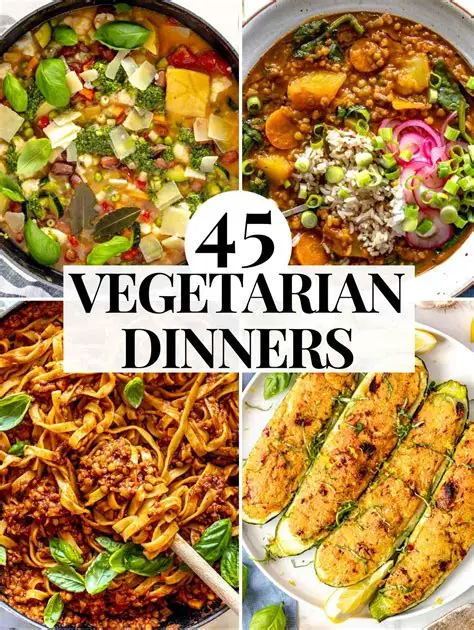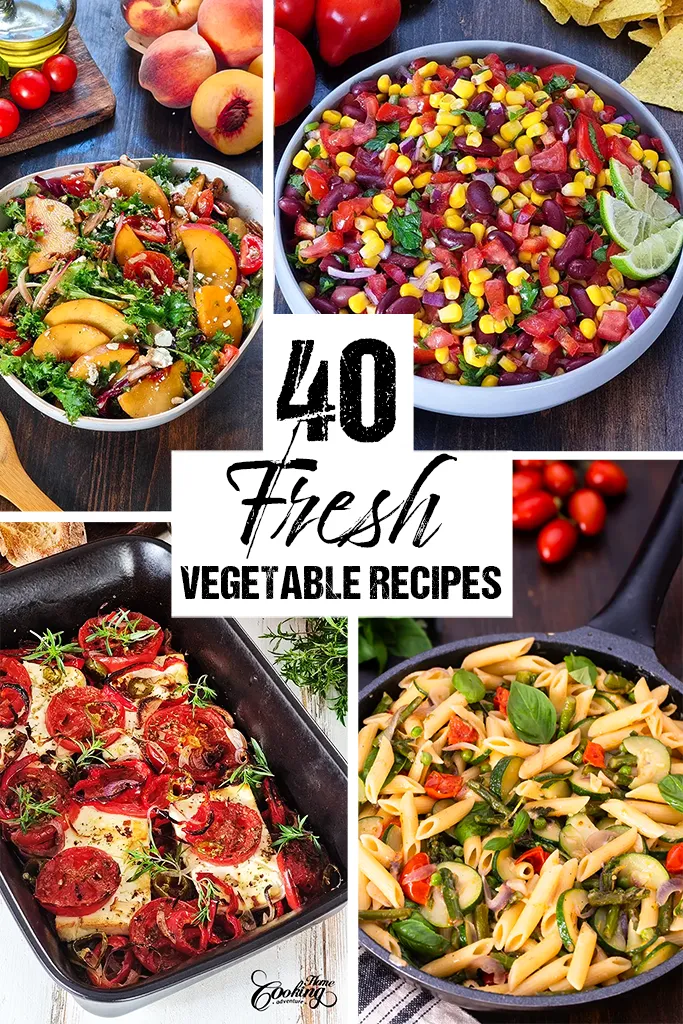
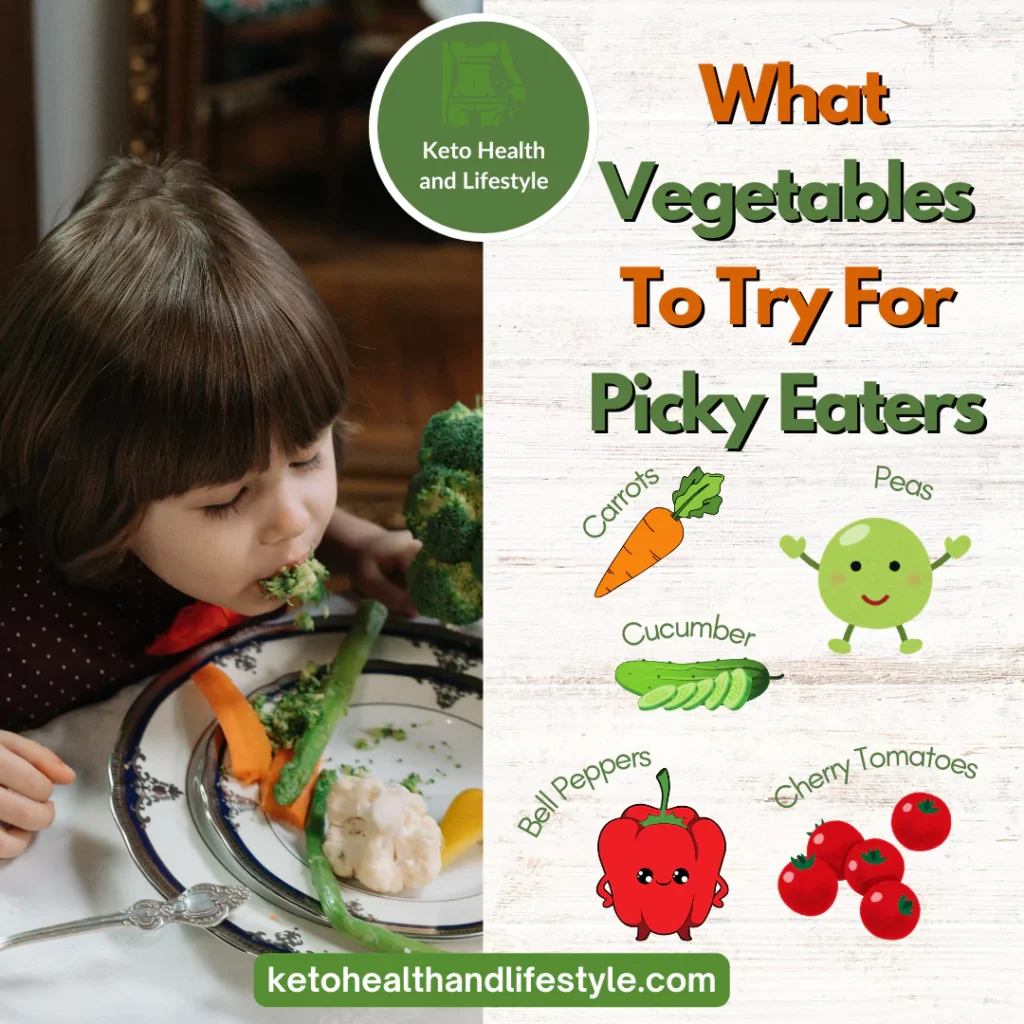
Getting picky eaters to enjoy Veggies can be difficult because some dislike the texture, others shun particular colors or flavors, and some don’t like trying them.
The good news is that trying vegetables doesn’t have to be dull. How you cook them can affect their texture, aroma, and flavor. Try crispy carrots, broccoli with cheese, roasted potatoes, sweet corn, and golden cauliflower instead of ordinary boiled vegetables.
This guide will help you make vegetables more appealing without adding stress to dinner. It includes simple cooking methods, seasoning tips, serving suggestions, and a basic recipe for family meals.
Why Some Eaters Avoid Veggies
Being picky about what you eat is common, especially for young children. The USDA recommends giving children a choice, involving them in preparing food, and letting them help choose vegetables.
Texture is usually a major concern. Those who prefer crunchy foods may not enjoy soft vegetables, and some people also find bitter tastes difficult to tolerate.
That is why it is important to be prepared.
Instead of always serving boiled broccoli, roast it until the edges are a bit crisp. If roasted carrots aren’t well received, slice them thin and roast them until lightly caramelized.
A little change can make a familiar food appear new.
The Secret to Better Veggies
The simplest way to make vegetables better is to focus on three things:
- Texture
- Seasoning
- Cooking method
Roasting gives vegetables browned edges, while air frying makes them crisp on the outside. Grilling imparts a smoky flavor, and sauteing helps keep certain vegetables tender while adding color and flavor from the spices. Garlic, black pepper, paprika, lemon juice, olive oil, and a little cheese can turn simple vegetables into something far more tempting.
It is also important to eat a variety of vegetables and include a range of colors, since different vegetables contain different nutrients.
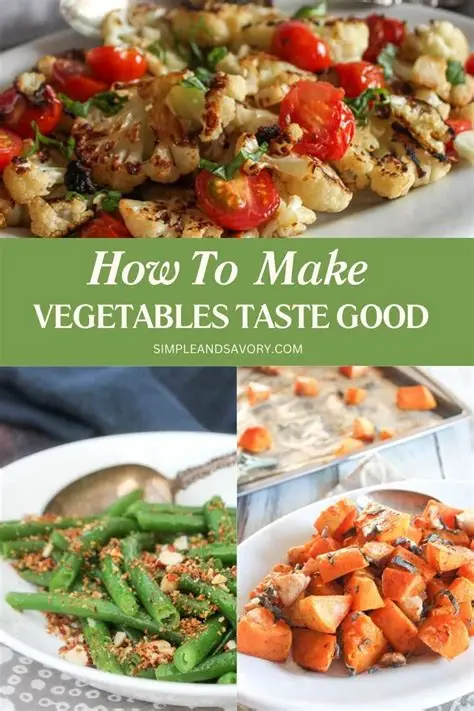
Ingredients for Family-Friendly Roasted Veggies
The recipe yields approximately 4 servings.
Main Ingredients
- 2 medium carrots
- 1 small head of broccoli
- 1 small bell pepper
- 1 cup cauliflower florets
- 1 small zucchini
- 2 tablespoons olive oil
- 1 teaspoon garlic powder
- ½ teaspoon paprika
- ½ teaspoon dried oregano
- ¼ teaspoon black pepper
- ¼ teaspoon salt
- 1 tablespoon grated Parmesan cheese
- 1 teaspoon fresh lemon juice
Optional Additions
You can also add:
- Sweet corn
- Green beans
- Mushrooms
- Red onion
- A small amount of shredded cheddar
- Fresh parsley
- A mild yogurt dip
If you are cooking for children or anyone who doesn’t like strong flavors, keep the seasoning light.
Cooking Time
Preparation: 15 minutes
Cooking: 20–25 minutes
Total: About 40 minutes
Servings: 4
How to Prepare the Veggies
1. Clean and cut all the items.
2. Clean and cut all the items.
Clean all the vegetables thoroughly.
Chop the carrots into thin sticks, break the broccoli and cauliflower into small florets, slice the zucchini into half-moons, and cut the bell pepper into small pieces.
Try to cut the pieces so they cook evenly. Dry the Vegetables
Pat the vegetables dry with a clean kitchen towel.
Dry the vegetables using a clean kitchen towel. This little step helps the vegetables roast instead of becoming watery in the oven.
Add olive oil, garlic powder, paprika, oregano, black pepper, and salt. Gently toss the vegetables until coated. Don’t use too much oil; a light amount is enough to help them brown.
Gently toss the vegetables until coated.
You don’t need much oil; a light amount is enough to help them brown.
Gently toss the vegetables until coated.
You don’t need much a; amount is enough to help them brown.
4. Spread Them Out
Put vegetables on a large baking sheet.
Put them in one layer.
Don’t put the vegetables too close together; leaving space between them lets heat circulate and helps the edges get golden. Preheat the oven to 425°F (220°C). Roast the vegetables for about 20 to 25 minutes, mixing halfway through. The edges should be lightly browned, and the centers should stay tender.
The edges should be lightly browned, and the centers should stay tender.
Remove the tray. Cover the hot vegetables with Parmesan and squeeze in lemon juice. Let the cheese cool for a few minutes before serving; it has a mild, savory flavor, and the lemon adds a fresh note.
Make Veggies More Appealing to Picky Eaters
A vegetable’s texture can make a real difference in both taste and feel. Try roasting broccoli, cauliflower, carrots, or green beans until the outer surface becomes slightly crisp. This may be a better choice than soft, steamed vegetables if you enjoy crunchy foods.
You don’t need elaborate spices to add interest to vegetables.
Begin with flavors your family already likes. Mild cheese, lemon, ranch-style yogurt dip, or a little paprika can make vegetables feel more familiar.
Begin with a small amount. Small portions can feel less overwhelming than a large serving.
A small number of pieces may seem less overwhelming than a large serving.
Let Them Choose
Offer picky eaters a choice between two options.
For example:
“Would you like carrots or roasted cauliflower?” This gives them some control while still keeping vegetables on the plate.
The USDA also suggests offering a variety of options and getting children involved in preparing food to make it less stressful for them.
Easy Veggie Combinations to Try
Adjust the recipe based on the ingredients you have on hand.
Carrot + Broccoli
The result is a blend of sweetness and mild savory flavor.
Cauliflower + Bell Pepper
Roast both until the edges turn golden, then add garlic and a little Parmesan.
Zucchini + Corn
Corn’s natural sweetness goes well with tender zucchini.
Green Beans + Carrots
Cut both into smaller pieces, then roast them with garlic and black pepper.
Sweet Potato + Broccoli
The roasted broccoli pairs nicely with sweet potato’s mild sweetness.
A Simple Dip Can Help
Some picky eaters prefer vegetables with a dip.
Try a quick yogurt dip:
Yogurt Dip Ingredients
- ½ cup plain Greek yogurt
- 1 teaspoon lemon juice
- ¼ teaspoon garlic powder
- A small pinch of salt
- A little dried parsley
Put it all in a bowl.
Serve it alongside vegetables that are either warm or cooled.
This way, people can decide how much dip they want.
Do Not Hide Every Vegetable
It helps to puree vegetables into sauces or soups, but it is also useful to let people see and taste them.
Over time, children will get used to the color, form, odor, and texture of various vegetables.
Don’t expect someone to love every vegetable immediately; instead, keep offering chances to see, touch, smell, and taste foods without pressure.

Serve Veggies Without Making Dinner Difficult
There are many different ways to serve these roasted vegetables.
With Chicken
Serve roasted vegetables alongside grilled or baked chicken for an easy dinner.
With Rice
Serve them over brown rice or another whole grain, along with your favorite protein.
Fill a whole-grain wrap with the cooled roasted vegetables and add chicken, beans, or hummus.
With Eggs
Add leftover roasted veggies to scrambled eggs. Combine the roasted vegetables with whole grains, beans, a portion of protein, and a light dressing. The salad can taste entirely different with just a few simple changes.
Cheesy Version
Sprinkle a little Parmesan or cheddar on during the last few minutes of cooking. For a lemon-garlic version, add garlic, lemon juice, and a bit of olive oil. For a mild smoky version, add paprika and just a small pinch of cumin. For an Italian-style version, season with oregano, garlic, and a bit of salt.
Add garlic, lemon juice, and a bit of olive oil. Mild Smoky Version
Add paprika and just a small pinch of cumin. Italian-Style Version
For a sweet version, roast the carrots or sweet potatoes with a small amount of maple syrup and black pepper. Chop the vegetables into even pieces so they fit in the pan, since pieces too close together can trap moisture. Make sure your oven is hot enough, as high heat helps form browned edges. Don’t overcook the vegetables, since mushy ones are less attractive, especially for those who don’t like soft textures. Before adding more seasoning, taste first. Start with a small amount, then add more if needed. If possible, serve the roasted vegetables immediately, since they are generally at their best when warm and crisp.
Keep sauces by the side so picky eaters can decide how much they want.
Do frozen vegetables work?
Yes.
Frozen vegetables are useful when fresh fruit and vegetables aren’t available because they are convenient and help reduce food waste. Harvard’s nutrition advice also says frozen fruits and vegetables can retain their nutrients, making them a practical choice.
When roasting frozen vegetables, don’t use too much oil, and spread them out on the baking sheet so moisture can escape.
Cook them longer than fresh vegetables.
How to Store Leftover Veggies
Cool the vegetables before storing them.
Place them in an airtight container and refrigerate. For the best texture, eat leftovers within a few days.
You can reheat them in:
- An air fryer
- An oven
- A skillet. The microwave is quick, but it can make roasted veggies softer.
Use Leftovers: Don’t toss out leftover roasted veggies.
Turn the meal into something else.
Add them to:
- Omelets
- Rice bowls
- Pasta
- Wraps
- Sandwiches
- Soups
- Quesadillas
- Grain bowls
This way, one batch of veggies can serve multiple meals.
Common Mistakes to Avoid
Boiling Everything
If you boil vegetables for too long, they will become soft and watery.
Instead, try roasting, grilling, or sauteing.
Using Too Much Oil
Extra oil doesn’t always improve the taste of vegetables, and a light coating is generally sufficient when roasting them.
Adding Too Many Strong Spices
If someone isn’t sure about vegetables, strong flavors can make them turn away from the food.
Forcing Someone: Pressuring someone can make mealtime feel negative. Instead, offer small amounts and keep calmly introducing new foods. foods.
Making Separate Meals Every: It helps to serve familiar foods with a new vegetable, instead of making a separate meal.
Why Veggies Belong on the Family Table
Vegetables provide a wide range of nutrients and add color, flavor, and texture to meals. Harvard’s Nutrition Source recommends variety because no single vegetable provides every nutrient the body needs. The goal doesn’t have to be a perfect plate. A few carrots today, some roasted broccoli tomorrow, and a bit of cauliflower later can slowly add more variety. Variety.
Frequently Asked:
How can I make veggies taste better?
You can use roasting, some seasoning, cheese, lemon, garlic, or a mild dip; altering the texture can also have a big effect.
Should I make a particular eater eat vegetables?
It’s usually best to avoid turning meals into an argument; instead, offer small amounts, give choices, and keep exposing the person to a variety of foods.
Can I use frozen Veggies?
Yes. Frozen vegetables are convenient and can work well in many recipes, including roasted dishes.
How do I stop roasted Veggies from becoming soggy?
Dry fresh vegetables before cooking, avoid overcrowding the baking sheet, and use a hot oven.
What can I serve with roasted Veggies?
They work well with chicken, fish, eggs, beans, rice, whole grains, wraps, and grain bowls.
Can I prepare these Veggies ahead of time?
Yes. You can wash and cut the vegetables earlier in the day. Store them covered in the refrigerator until you are ready to cook.
Final thought: Making veggies appealing doesn’t require complicated recipes. Recipes.
Start with the texture your family likes. Add familiar flavors. Give picky eaters small portions and simple choices. Most of all, keep things relaxed. Roasting is a great way to start because it can turn ordinary veggies into golden, slightly crisp bites with more flavor.e ideas, you can explore the healthy eating guidance from Harvard’s Nutrition Source. It highlights the value of variety when choosing vegetables and fruits.
For more food inspiration, visit BiteCraft Recipes and explore more homemade ideas.
A good veA good veggie dish doesn’t have to be complicated. Sometimes, the right cut, a hot oven, and a little seasoning are all it takes to turn a food someone avoids into one they’re willing to try.