Eating lighter doesn’t mean you have to give up Spicy food. With the right mix of chili, garlic, herbs, vegetables, and fresh ingredients, even a simple meal can taste rich and satisfying—without heavy sauces or lots of oil.
If you like food with a kick, low-calorie spicy recipes are a great way to add variety to your meals. The key isn’t just adding more chili, but building layers of flavor so every bite feels complete.
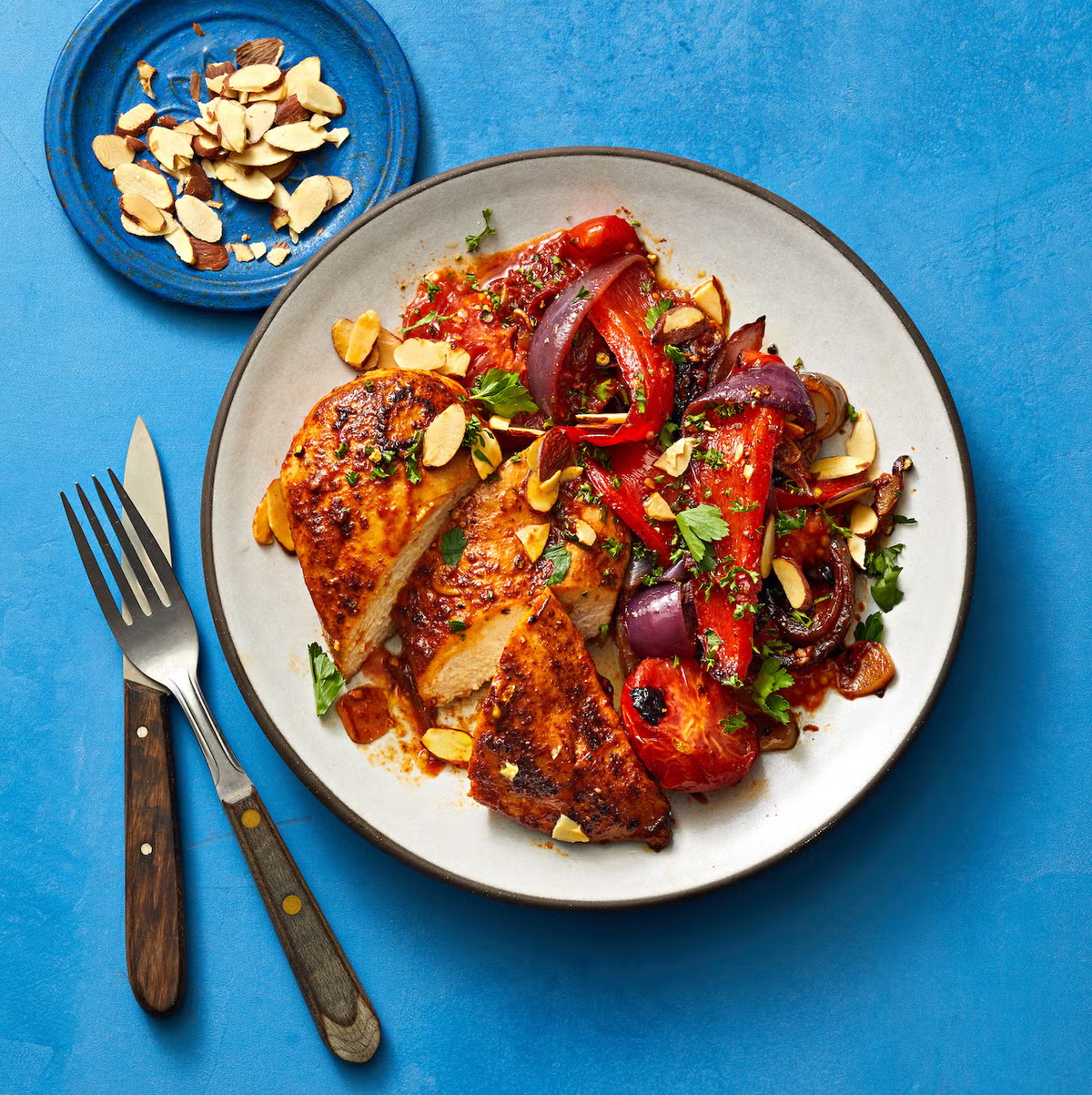
This guide will show you how to make a colorful, spicy chicken and vegetable skillet that’s great for lunch or dinner. You’ll also find ingredient swaps, cooking tips, serving ideas, and simple ways to keep calories in check without losing flavor.
Why Spicy Recipes Can Still Be Light
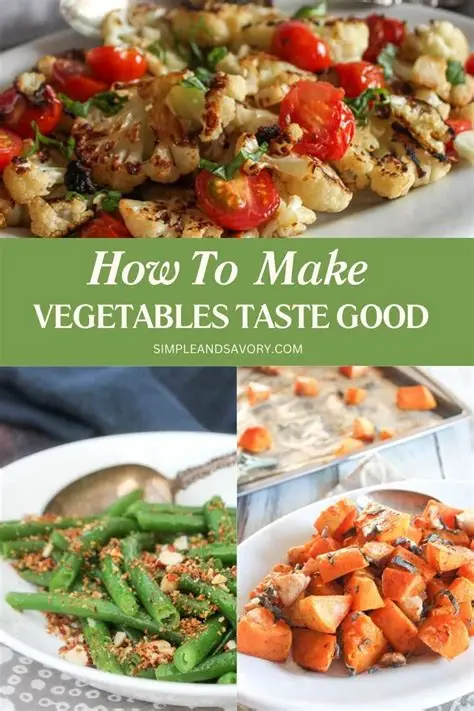
Healthy meals don’t have to taste plain. Vegetables, lean proteins, herbs, citrus, garlic, ginger, and spices can add lots of flavor without needing much butter, cream, cheese, or oil.
Vegetables are naturally low in calories and provide nutrients such as fibre, potassium, folate, and vitamins A and C.
For protein, options such as skinless chicken, fish, beans, lentils, tofu, and other lean choices can help create a filling meal. The USDA also recommends varying protein sources and choosing leaner options more often.
So here’s a good starting point: use more vegetables, pick a lean protein, add bold seasoning, and keep added fat in check.
Spicy Ingredients That Add Big Flavor
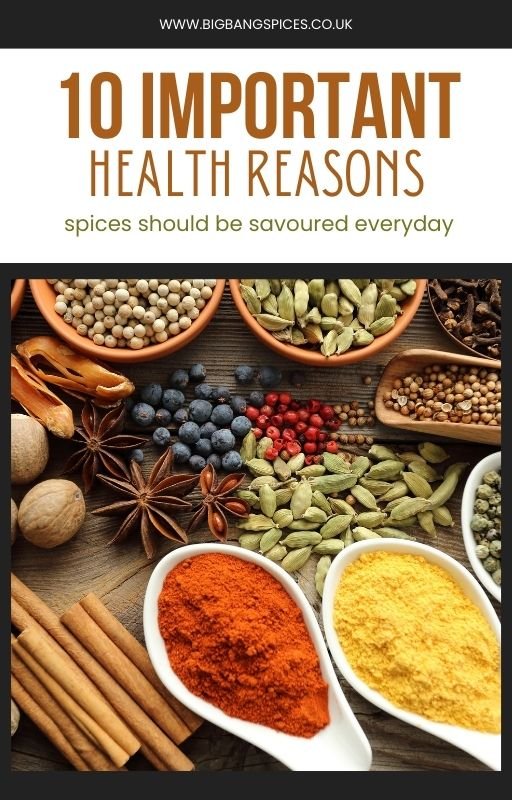
You don’t need a complicated spice cabinet to make tasty spicy food.
Try building flavor from these ingredients:
- Fresh red or green chili
- Crushed red pepper flakes
- Smoked paprika
- Black pepper
- Garlic
- Fresh ginger
- Ground cumin
- Chili powder
- Fresh cilantro
- Lemon or lime juice
- Low-sodium soy sauce
- Tomato paste
- Plain low-fat yogurt for cooling the heat
Each ingredient brings something unique. Chili adds heat, garlic gives depth, lemon brightens things up, and smoked paprika adds a rich, roasted flavor.
Using herbs and spices can also help reduce the need for extra salt. Cleveland Clinic recommends using herbs and spices to bring flavor to lower-sodium meals.
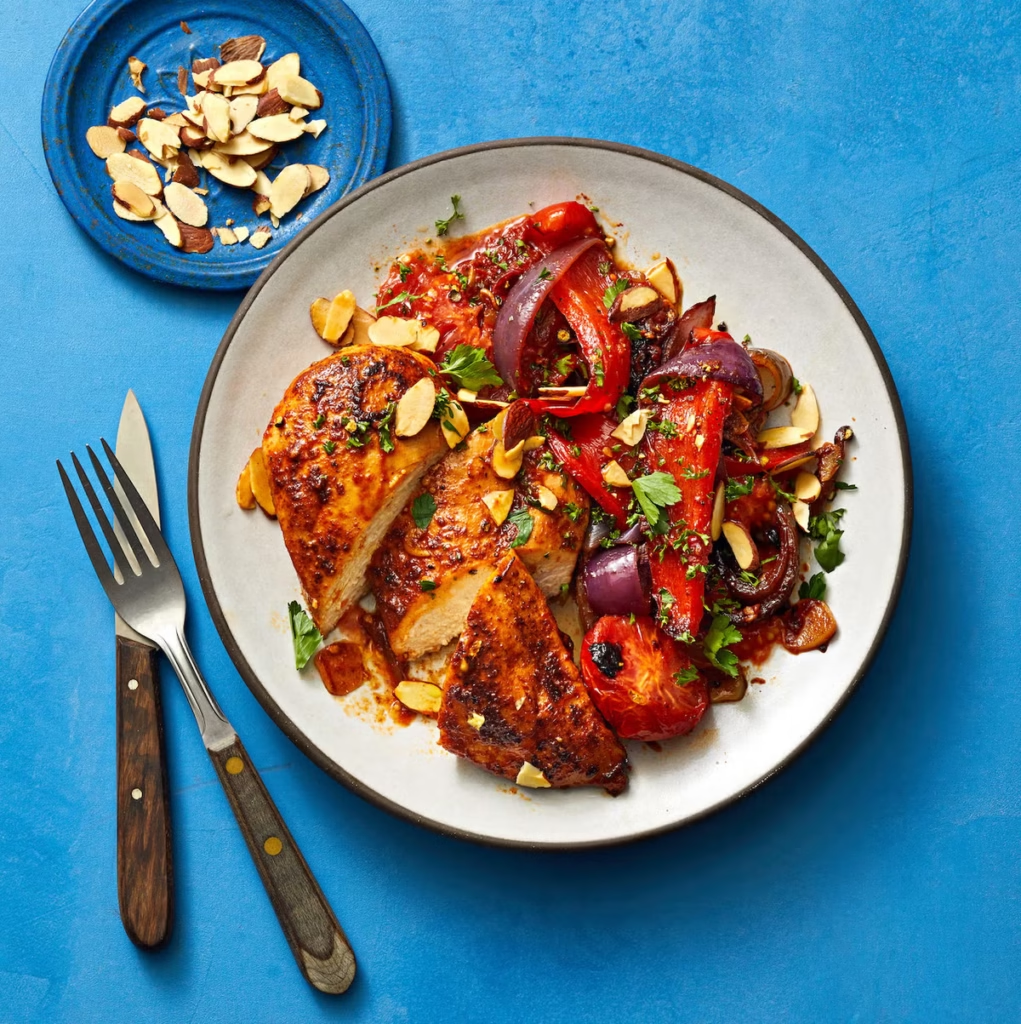
The Recipe: Spicy Chicken and Vegetable Skillet
This skillet is colorful, filling, and easy to change up. You can make it spicier, milder, or swap out the vegetables based on what you have in your fridge.
Recipe Details
Prep time: 15 minutes
Cook time: 20 minutes
Total time: 35 minutes
Servings: 4
Difficulty: Easy
Ingredients
For the chicken:
- 500 g boneless, skinless chicken breast
- 1 tablespoon olive oil
- 2 garlic cloves, finely chopped
- 1 teaspoon grated fresh ginger
- 1 teaspoon smoked paprika
- 1 teaspoon chili powder
- ½ teaspoon ground cumin
- ½ teaspoon black pepper
- ½ teaspoon salt, or less to taste
- Juice of ½ lemon
For the vegetables:
- 1 red bell pepper, sliced
- 1 green bell pepper, sliced
- 1 medium zucchini, sliced into half-moons
- 1 small red onion, sliced
- 1 cup broccoli florets
- 1 medium tomato, chopped
- 1 fresh red chili, thinly sliced
- 2 tablespoons chopped fresh cilantro
Optional:
- 1 teaspoon low-sodium soy sauce
- Lemon wedges for serving
- 2 tablespoons plain low-fat yogurt
Prepare the Spicy Chicken
1. Cut the Chicken Into Small Pieces
Cut the chicken into bite-sized pieces. Try to keep them about the same size so they cook evenly.
Place them in a bowl and add garlic, ginger, smoked paprika, chili powder, cumin, black pepper, salt, and lemon juice.
Mix everything well.
Let the chicken rest for 5 to 10 minutes while you prep the vegetables. You don’t need a long marinade here since the seasoning goes right onto the small pieces of chicken.
2. Prepare the Vegetables
Wash and cut all the vegetables before turning on the stove.
Keep the broccoli pieces fairly small. Slice the peppers and onion thinly so they cook quickly while still keeping some texture.
Don’t cook the vegetables until they’re completely soft. Leaving a bit of crunch makes the skillet more interesting.
3. Cook the Chicken
Heat a large non-stick skillet over medium-high heat.
Add the olive oil and then the seasoned chicken.
Cook for about 6 to 8 minutes, stirring occasionally, until the chicken is cooked through and lightly browned.
Move the chicken to a plate.
This quick step frees up the pan for the vegetables and keeps the chicken from overcooking while you finish the dish.
4. Build the Vegetable Base
Place the onion and peppers into the same skillet.
Cook for about 3 minutes.
Add the broccoli and zucchini. Continue cooking for another 4 to 5 minutes.
The vegetables should get tender but still keep a bit of bite.
Add the chopped tomato and fresh chili during the final 2 minutes.
5. Bring Everything Together
Return the cooked chicken to the skillet.
Add optional low-sodium soy sauce for a deeper savory taste.
Stir everything together for 2 minutes.
Turn off the heat and add fresh cilantro and another small squeeze of lemon.
Taste before adding more salt.
The finished dish should taste spicy, fresh, a little smoky, and bright—not oily or heavy.
Control the Heat in Spicy Recipes
Everyone likes a different level of heat, but luckily, this recipe is easy to adjust.
For Mild Heat
Remove the seeds from the fresh chili and use only a small amount of chili powder.
For Medium Heat
Use the full amount of chili powder and one seeded fresh chili.
For Extra Heat
Keep the chili seeds and add a small pinch of crushed red pepper flakes near the end of cooking.
It’s better to add heat little by little. You can always make a dish spicier, but it’s tough to take the heat out if you add too much.
Keep Spicy Meals Low in Calories
A common mistake is thinking that adding chili automatically makes a meal healthy. The other ingredients still matter.
Here are simple ways to keep your spicy dishes lighter.
Use Vegetables as the Main Volume
Fill more of the pan with vegetables such as peppers, broccoli, zucchini, mushrooms, tomatoes, spinach, and cabbage.
This way, you get a generous serving without relying on lots of high-calorie ingredients.
The USDA notes that vegetables are generally low in calories and provide important nutrients and dietary fibre.
Measure the Oil
Oil is helpful, but you only need a little.
Instead of pouring oil directly from the bottle, measure it with a teaspoon or tablespoon.
A good non-stick skillet also makes cooking easier and lets you use less added fat.
Skip Heavy Cream-Based Sauces
Creamy sauces can quickly add a lot of calories to a dish.
For a lighter finish, try:
- Plain low-fat yogurt
- Lemon juice
- Tomato-based sauces
- Fresh salsa
- Blended vegetables
- A small amount of avocado
Choose Lean Protein
Skinless chicken breast, fish, shrimp, tofu, beans, and lentils can all work well in spicy meals.
The USDA recommends choosing leaner meat and poultry options and including a variety of protein foods.
Make This Recipe Vegetarian
It’s easy to make this skillet vegetarian.
Replace the chicken with:
- 1½ cups cooked chickpeas
- 1½ cups cooked black beans
- 250 g firm tofu
- 1½ cups cooked lentils
If you’re using tofu, press out the extra moisture first. Cut it into cubes and cook until it’s lightly golden before adding the vegetables.
Beans and lentils also work particularly well with chili, cumin, tomato, and garlic.
Make It a Complete Dinner
Serve the skillet on its own or with a small portion of a whole-grain side.
Try:
- Brown rice
- Quinoa
- Whole-grain couscous
- Bulgar
- A small baked potato
- Whole-grain flatbread
You can also serve the chicken and vegetables over a big bed of greens.
For more ideas, you can explore our healthy meal recipes for other lighter homemade dishes.
A Fresh Way to Serve Spicy Food
Rather than piling everything on a plate and covering it with sauce, try building your meal in layers.
Start with a small amount of brown rice or quinoa.
Add the spicy chicken and vegetables.
Finish with fresh cilantro, lemon juice, and a spoonful of plain yogurt.
This way, you get different textures and temperatures in one bowl. The cool yogurt also balances the chili without needing a heavy, creamy sauce.
Easy Ingredient Swaps
One of the best things about this recipe is that it doesn’t rely on just one set of vegetables.
Swap the Chicken
Use shrimp, white fish, tofu, chickpeas, or lean turkey.
Swap the Vegetables
Try:
- Mushrooms
- Cabbage
- Carrots
- Green beans
- Spinach
- Cauliflower
- Snap peas
Swap the Seasoning
For a smoky version, increase the smoked paprika.
For a more citrusy flavor, add extra lime.
For an Indian-inspired version, use turmeric, coriander, cumin, and chili powder.
For a Mexican-style version, use cumin, chili, lime, cilantro, and a little paprika.
Cooking Tips for Better Flavor
Do Not Crowd the Pan
If you pack the skillet too full, the ingredients might steam instead of browning.
Use a large pan or cook in batches when necessary.
Add Fresh Ingredients at the End
Add fresh lemon juice and cilantro at the end to keep their bright flavors noticeable.
Taste Before Seasoning Again
Chili, soy sauce, and other seasonings can vary in strength by brand. Always taste before adding more salt or spices.
Do Not Burn the Spices
Spices should smell fragrant, not turn black. If they start to burn, lower the heat and add the next ingredients.
Keep Some Texture
Soft vegetables can make the skillet feel heavy, but keeping them a little crisp makes the dish fresher and more satisfying.
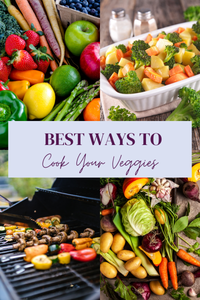
Gentler cooking methods such as baking, roasting, steaming, grilling, and lightly sauteing can also help when you’re trying to prepare lower-calorie meals.
More Healthy Spicy Recipe Ideas
Once you get the basic formula down, you can mix and match ingredients without following a recipe exactly.
Try these ideas:
Spicy Chickpea Bowl: Chickpeas, cucumber, tomatoes, spinach, chili, lemon, and yogurt.
Fiery Fish Tacos: Grilled white fish, cabbage, chili, lime, and a light yogurt sauce.
Spicy Lentil Soup: Red lentils, tomatoes, carrots, garlic, cumin, and chili flakes.
Hot Vegetable Stir-Fry: Broccoli, mushrooms, peppers, cabbage, ginger, garlic, and a small amount of low-sodium soy sauce.
Spicy Egg Breakfast Bowl: Scrambled eggs, spinach, tomatoes, fresh chili, and avocado.
For more vegetable ideas, check out our other recipes and try different seasonings with your favorite chili and herbs.
What Makes a Spicy Recipe Taste Amazing?
Great spicy food isn’t just about heat.
It’s all about balance.
Think about these five elements:
Heat: Chili or pepper creates the main kick.
Acid: Lemon or lime keeps the flavor fresh.
Aroma: Garlic, ginger, onion, and herbs create depth.
Texture: Crisp vegetables make every bite more interesting.
Savory flavor: Chicken, beans, mushrooms, tomatoes, or a small amount of soy sauce add body.
When these elements come together, you can use less oil and still make really satisfying food.
http://USDA MyPlate for vegetable and protein guidance.
Frequently Asked Questions About Spicy Recipes
Are spicy recipes good for a low-calorie diet?
They can be, depending on the ingredients and portion size. Chili alone doesn’t make a dish low-calorie. Choosing vegetables and lean proteins, and using only a little added fat, helps keep the meal lighter. How can I make spicy food without adding lots of oil?
Use a non-stick pan and measure out a small amount of oil. You can also use broth or a splash of water when sauteing vegetables, depending on the recipe.
What vegetables work best in spicy recipes?
Peppers, broccoli, zucchini, mushrooms, cabbage, tomatoes, spinach, carrots, and cauliflower are all good choices.
Can I make spicy recipes vegetarian?
Yes. Beans, chickpeas, lentils, tofu, and other plant-based proteins can easily replace meat in many spicy dishes.
How do I reduce the heat in a spicy recipe?
Use fewer chilliest, remove the seeds, add more vegetables, or serve the dish with plain yogurt. A little extra lemon can also help balance the flavor. What is the best protein for low-calorie spicy meals?
Skinless chicken breast, fish, shrimp, tofu, beans, and lentils are all good options. The best choice depends on your diet and what else you’re serving.
Can I prepare this spicy chicken ahead of time?
YesYes. Cook the chicken and vegetables, let them cool, and store them in a sealed container in the fridge. Reheat well before serving. How can I make spicy food taste richer without adding cream?
Try roasted spices, garlic, ginger, tomato paste, lemon juice, fresh herbs, mushrooms, or a little low-sodium soy sauce. What should I serve with spicy chicken?
BroBrown rice, quinoa, whole-grain couscous, roasted vegetables, salad, or a small whole-grain flatbread all work well. Can I make this recipe less spicy for children?
Yes. Cut back or leave out the fresh chili and use a little mild paprika instead. Adults can always add more chili to their own servings later.
Final Thoughts
Low-calorie food doesn’t have to be boring. With the right seasoning, a simple skillet of chicken and vegetables can become a meal that’s colorful, fresh, and satisfying.
The key is to build flavor in different ways, not just rely on oil, cream, cheese, or sugary sauces. Use chili for heat, citrus for freshness, garlic and ginger for depth, and lots of vegetables for texture and volume.
Once yoOnce you find that balance, making low-calorie spicy recipes gets much easier. You can swap the protein, change up the vegetables, adjust the heat, and make something new every time. Next time your dinner feels a little too plain, do not automatically reach for a heavy sauce. Add some chili, squeeze fresh lemon over it, toss in a few colorful vegetables, and let the spices do the work.