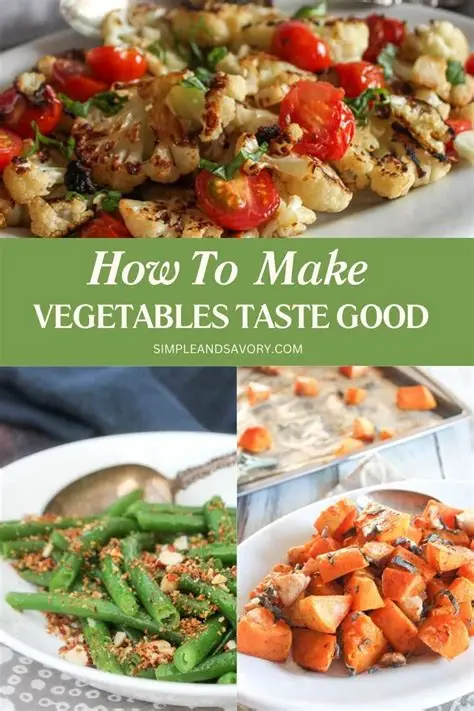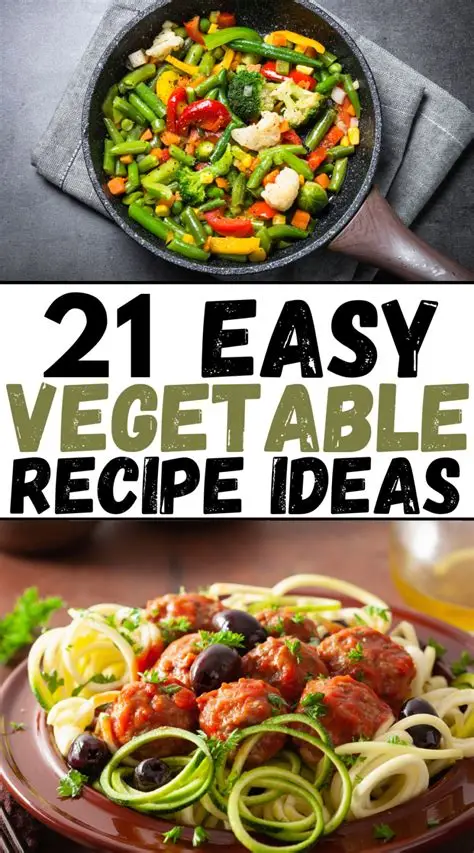
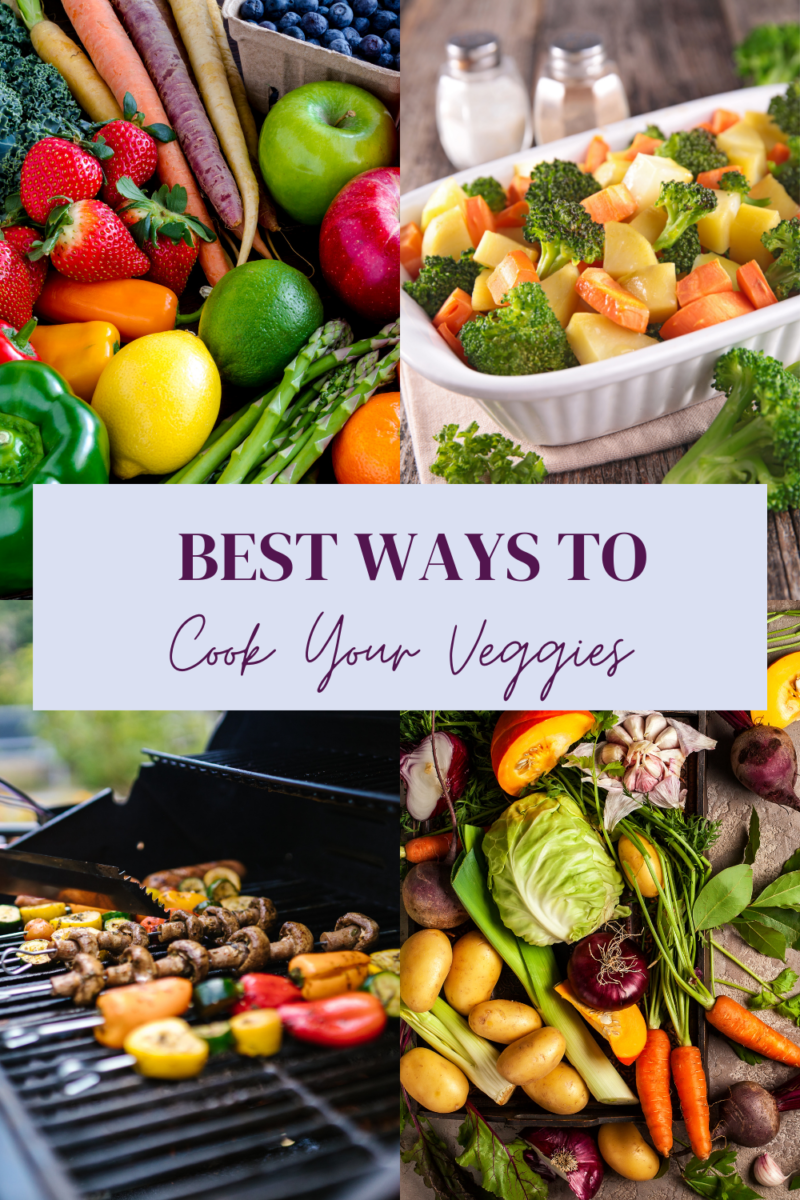
Vegetables can taste completely different when you change the way you cook them. You do not need to use the same method every time. Instead of boiling vegetables until soft or making the same type of dish again, try roasting cabbage wedges, searing carrots in a hot pan, grilling corn, or turning cauliflower into crispy bites.
Learning how to cook vegetables in different ways can bring new textures and flavors to your table. Some vegetables become sweeter when roasted. Others develop smoky flavor on a grill or crisp edges in a hot oven.
In this guide, you will discover different ways to cook vegetables, along with ingredients, preparation times, cooking times, temperatures, step-by-step instructions, serving ideas, and useful cooking tips.
Why Try Different Ways to Cook Vegetables?
Cooking vegetables the same way every time can become boring. A different method can change their flavor, texture, and appearance.
For example:
- Roasting can create golden, caramelized edges.
- Grilling can add a smoky taste.
- Pan-searing can give vegetables a rich, browned surface.
- Baking can create a crispy coating.
- Slow roasting can deepen natural flavors.
- Quick cooking can help some vegetables stay crisp.
You do not need expensive ingredients to make vegetables more interesting. Sometimes, one new cooking method and a few seasonings are enough.
For general information about including vegetables in your meals, you can visit the USDA MyPlate vegetable guide.
1. Roast Cabbage Wedges Instead of Chopping Them
Cabbage is often chopped into small pieces before cooking. Try leaving it in thick wedges instead. The outside becomes browned while the center stays tender.
Ingredients
- 1 small green cabbage
- 2 tablespoons olive oil
- 1 teaspoon smoked paprika
- ½ teaspoon garlic powder
- ½ teaspoon black pepper
- ½ teaspoon salt
- 1 tablespoon lemon juice
Preparation Time
10 minutes
Cooking Time
30 to 35 minutes
Oven Temperature
425°F (220°C)
Instructions
- Preheat the oven to 425°F (220°C).
- Remove any damaged outer leaves from the cabbage.
- Cut the cabbage into 6 to 8 thick wedges.
- Place the wedges on a baking tray.
- Brush both sides with olive oil.
- Sprinkle with smoked paprika, garlic powder, salt, and black pepper.
- Roast for 20 minutes.
- Carefully turn the wedges.
- Roast for another 10 to 15 minutes.
- Remove when the edges are browned and slightly crisp.
- Finish with lemon juice before serving.
Serving Idea
Serve the cabbage with rice, potatoes, grilled chicken, beans, or lentils.
Cooking Tip
Keep the wedges fairly thick so they hold their shape while cooking.
2. Pan-Sear Carrots for a Golden Outside
Instead of boiling carrots until they are very soft, cook them in a hot skillet. This gives them a deeper flavor and a lightly browned surface.
Ingredients
- 4 large carrots
- 1 tablespoon olive oil
- 1 tablespoon butter
- ½ teaspoon ground cumin
- ¼ teaspoon black pepper
- Salt to taste
- 1 teaspoon honey
- 1 teaspoon lemon juice
Preparation Time
8 minutes
Cooking Time
12 to 15 minutes
Instructions
- Peel the carrots and cut them lengthwise.
- Heat a large skillet over medium-high heat.
- Add the olive oil.
- Place the carrots cut-side down in the pan.
- Leave them undisturbed for 3 to 4 minutes.
- Turn them once the underside is nicely browned.
- Add the butter and cumin.
- Cook for another 4 to 5 minutes.
- Add a small splash of water and cover the pan for 2 to 3 minutes.
- Remove the lid and let any remaining moisture cook away.
- Drizzle with honey and lemon juice.
- Season with salt and black pepper.
The carrots should be tender but still hold their shape.
3. Turn Cauliflower Into Crispy Bites
Cauliflower does not always have to be served as a traditional side dish. A seasoned coating can turn it into crispy bites with a completely different texture.
Ingredients
- 1 medium cauliflower
- 2 tablespoons olive oil
- ½ cup breadcrumbs
- 1 teaspoon paprika
- ½ teaspoon garlic powder
- ½ teaspoon onion powder
- Salt to taste
- Black pepper to taste
Preparation Time
15 minutes
Cooking Time
25 to 30 minutes
Oven Temperature
425°F (220°C)
Instructions
- Preheat the oven to 425°F (220°C).
- Cut the cauliflower into small florets.
- Pat the florets dry with a clean kitchen towel.
- Place them in a large bowl.
- Add the olive oil and toss well.
- In another bowl, mix the breadcrumbs, paprika, garlic powder, onion powder, salt, and black pepper.
- Add the breadcrumb mixture to the cauliflower.
- Toss until the florets are coated.
- Spread them in a single layer on a baking tray.
- Bake for 15 minutes.
- Turn the pieces carefully.
- Bake for another 10 to 15 minutes until golden and crisp.
Serving Idea
Serve with a yogurt dip made with lemon juice, garlic, and black pepper.
4. Grill Corn With Chili and Lime
Corn becomes much more interesting when cooked over direct heat. The grill adds dark marks and a slightly smoky flavor.
Ingredients
- 4 ears of corn
- 1 tablespoon butter
- ½ teaspoon chili powder
- ½ teaspoon paprika
- 1 lime
- Salt to taste
Preparation Time
5 minutes
Cooking Time
10 to 15 minutes
Instructions
- Remove the husks and silk from the corn.
- Preheat the grill to medium-high heat.
- Brush the corn lightly with melted butter.
- Place the corn directly on the grill.
- Turn it every 2 to 3 minutes.
- Continue cooking until the corn has several dark grill marks.
- Remove from the heat.
- Sprinkle with chili powder, paprika, and salt.
- Squeeze fresh lime juice over the corn.
- Serve while warm.
Cooking Tip
Do not turn the corn too quickly. Let each side stay on the grill long enough to develop color.
5. Pan-Roast Green Beans
Green beans cook quickly, so they are perfect for a hot skillet. The goal is to cook them until tender while keeping some bite.
Ingredients
- 450 g green beans
- 1 tablespoon olive oil
- 2 garlic cloves, finely chopped
- ½ teaspoon chili flakes
- Salt to taste
- Black pepper to taste
- 1 teaspoon lemon juice
Preparation Time
8 minutes
Cooking Time
8 to 10 minutes
Instructions
- Trim the ends from the green beans.
- Heat a large skillet over medium-high heat.
- Add the olive oil.
- Add the green beans in a single layer.
- Cook for 5 to 6 minutes, stirring occasionally.
- Allow some beans to develop browned spots.
- Add the garlic and chili flakes.
- Season with salt and black pepper.
- Cook for another 2 to 3 minutes.
- Finish with lemon juice before serving.
The beans should be tender but not overly soft.
6. Roast Whole Bell Peppers
Instead of slicing bell peppers before cooking, roast them whole. The skin becomes blistered, and the inside turns soft and rich.
Ingredients
- 4 bell peppers
- 1 tablespoon olive oil
- Salt to taste
- Black pepper to taste
- 2 garlic cloves, finely chopped
- 1 tablespoon chopped fresh herbs
Preparation Time
5 minutes
Cooking Time
30 to 40 minutes
Oven Temperature
425°F (220°C)
Instructions
- Preheat the oven to 425°F (220°C).
- Wash and dry the bell peppers.
- Place them whole on a baking tray.
- Rub them lightly with olive oil.
- Roast for 20 minutes.
- Carefully turn the peppers.
- Continue roasting for another 10 to 20 minutes until the skin is blistered.
- Remove from the oven and allow them to cool slightly.
- Remove the stems and seeds.
- Slice the peppers.
- Mix with garlic, fresh herbs, salt, and black pepper.
Serving Idea
Use roasted peppers in sandwiches, wraps, pasta, salads, or grain bowls.
7. Make Crispy Parmesan Zucchini Rounds
Zucchini can become soft very quickly. A crisp coating gives it a completely different texture.
Ingredients
- 2 medium zucchini
- ½ cup breadcrumbs
- ¼ cup grated Parmesan cheese
- 1 egg
- ½ teaspoon garlic powder
- ½ teaspoon paprika
- Salt to taste
- Black pepper to taste
Preparation Time
15 minutes
Cooking Time
20 to 25 minutes
Oven Temperature
425°F (220°C)
Instructions
- Preheat the oven to 425°F (220°C).
- Slice the zucchini into even rounds.
- Pat the slices dry.
- Beat the egg in one bowl.
- In another bowl, combine the breadcrumbs, Parmesan, garlic powder, paprika, salt, and black pepper.
- Dip each zucchini round into the egg.
- Coat it with the breadcrumb mixture.
- Place the rounds on a lined baking tray.
- Bake for 10 to 12 minutes.
- Turn each piece carefully.
- Bake for another 8 to 12 minutes until golden and crisp.
Serve immediately for the best texture.
8. Slow-Roast Tomatoes With Garlic
Slow-roasting brings out the natural sweetness of tomatoes and gives them a richer flavor.
Ingredients
- 500 g cherry tomatoes
- 2 tablespoons olive oil
- 3 garlic cloves, sliced
- Salt to taste
- Black pepper to taste
- ½ teaspoon dried oregano
Preparation Time
5 minutes
Cooking Time
35 to 45 minutes
Oven Temperature
350°F (175°C)
Instructions
- Preheat the oven to 350°F (175°C).
- Place the tomatoes in a baking dish.
- Add the olive oil and sliced garlic.
- Sprinkle with oregano, salt, and black pepper.
- Toss gently to coat.
- Bake for 35 to 45 minutes.
- Stir once halfway through cooking.
- Remove when the tomatoes are soft and slightly wrinkled.
Serving Idea
Serve the tomatoes with toast, pasta, rice, eggs, or grilled vegetables.
9. Char Eggplant Over High Heat
Eggplant absorbs seasonings well and develops a rich flavor when cooked over high heat.
Ingredients
- 2 eggplants
- 2 tablespoons olive oil
- ½ teaspoon ground cumin
- ½ teaspoon paprika
- Salt to taste
- Black pepper to taste
- 1 tablespoon lemon juice
Preparation Time
10 minutes
Cooking Time
15 to 20 minutes
Instructions
- Cut the eggplants into thick slices.
- Sprinkle lightly with salt and leave for 10 minutes.
- Pat away any excess moisture.
- Brush the slices with olive oil.
- Heat a grill pan or large skillet over medium-high heat.
- Place the eggplant in a single layer.
- Cook for 4 to 5 minutes on each side.
- Season with cumin, paprika, salt, and black pepper.
- Continue cooking until the eggplant is tender and well browned.
- Finish with lemon juice before serving.
Cooking Tip
Do not overcrowd the pan. Too many pieces can trap moisture and prevent the eggplant from browning properly.
10. Roast Broccoli Until the Edges Are Crisp
Broccoli changes completely when it is roasted at a high temperature. The edges become browned while the center stays tender.
Ingredients
- 1 large head of broccoli
- 2 tablespoons olive oil
- ½ teaspoon garlic powder
- ½ teaspoon chili flakes
- Salt to taste
- Black pepper to taste
- 1 teaspoon lemon juice
Preparation Time
10 minutes
Cooking Time
18 to 22 minutes
Oven Temperature
425°F (220°C)
Instructions
- Preheat the oven to 425°F (220°C).
- Cut the broccoli into medium-sized florets.
- Dry the florets well.
- Place them in a large bowl.
- Add the olive oil, garlic powder, chili flakes, salt, and black pepper.
- Toss until evenly coated.
- Spread the broccoli across a baking tray.
- Leave space between the pieces.
- Roast for 10 to 12 minutes.
- Turn the broccoli.
- Roast for another 8 to 10 minutes.
- Finish with lemon juice before serving.
How to Choose the Right Cooking Method For Vegetables
Different vegetables respond well to different cooking methods.
For Golden and Crisp Edges
Try roasting:
- Broccoli
- Cauliflower
- Brussels sprouts
- Potatoes
- Carrots
A hot oven helps these vegetables develop more color.
For a Smoky Flavor
Try grilling:
- Corn
- Bell peppers
- Eggplant
- Zucchini
- Mushrooms
For Tender Results
Try roasting or slow-cooking:
- Cabbage
- Carrots
- Pumpkin
- Sweet potatoes
- Eggplant
For Faster Cooking
Try pan-cooking:
- Green beans
- Zucchini
- Bell peppers
- Mushrooms
- Spinach
How to Make Vegetables More Interesting With Simple Ingredients
You do not need a long list of ingredients. Build the flavor in a few steps.
Start With Fat
Olive oil or butter can help vegetables cook evenly and develop better browning.
Add Seasoning
Try garlic, paprika, cumin, black pepper, chili flakes, dried herbs, or your favorite spice mixture.
Finish With Bright Flavor
Lemon juice, lime juice, vinegar, or fresh herbs can add a fresh finish.
Add Texture
Try breadcrumbs, toasted seeds, chopped nuts, or crispy onions.
Using different combinations means the same vegetable can taste different each time you cook it.
Common Mistakes When Cooking Vegetables
1. Overcrowding the Pan
Too many vegetables can release moisture and cause steaming instead of browning.
2. Cooking Wet Vegetables
Excess water makes it harder for vegetables to become crisp or brown.
3. Cutting Pieces Unevenly
Small pieces cook faster than large pieces. Try to cut vegetables into similar sizes.
4. Using the Same Heat for Every Recipe
Some vegetables need high heat for browning, while others need gentler cooking.
5. Adding Fresh Acid Too Early
For many roasted and grilled dishes, lemon or lime tastes best when added near the end.
6. Cooking Every Vegetable Until It Is Very Soft
Some vegetables taste better when they still have a little texture.
How to Cook Vegetables for Meal Prep
Roasted vegetables can be prepared ahead of time and used in several meals.
Good options include:
- Broccoli
- Carrots
- Cauliflower
- Bell peppers
- Green beans
Let the vegetables cool before placing them in an airtight container. Refrigerate them promptly and follow safe storage practices when keeping leftovers.
For general food-safety information, visit the USDA Food Safety and Inspection Service.
You can use prepared vegetables with rice, pasta, eggs, beans, lentils, chicken, or salads throughout the week.
Change the Flavor With Different Seasonings
The same cooked vegetables can become different dishes when you change the seasoning.
Mediterranean-Inspired
Try:
- Lemon
- Garlic
- Oregano
- Olive oil
Spiced
Try:
- Chili flakes
- Paprika
- Cumin
- Lime
Creamy
Serve vegetables with:
- Yogurt sauce
- Tahini
- Garlic sauce
Crunchy
Finish with:
- Toasted sesame seeds
- Chopped nuts
- Breadcrumbs
- Crispy onions
What to Serve With These Vegetables
These ideas can work as side dishes or as part of a larger meal.
Serve them with:
- Rice
- Pasta
- Couscous
- Flatbread
- Grilled chicken
- Baked fish
- Eggs
- Beans
- Lentils
- Chickpeas
For more recipe inspiration, explore other homemade recipes on BiteCraft Recipes.
A Simple Formula for Trying New Ideas
When you do not have a recipe, use this simple idea:
Vegetable + cooking method + seasoning + finishing touch = a new dish
For example:
Carrots + pan-searing + cumin + lemon
Cauliflower + roasting + paprika + yogurt sauce
Corn + grilling + chili + lime
Cabbage + roasting + garlic + lemon
This gives you a simple way to experiment with what you already have in your kitchen.
Frequently Asked Questions
1. What is the best way to cook vegetables?
The best method depends on the vegetable and the texture you want. Roasting is great for browning, grilling adds smoky flavor, and pan-cooking works well for faster meals.
2. How long should vegetables be cooked?
Cooking time depends on the type of vegetable and the size of the pieces. Small pieces may cook in 8 to 15 minutes, while larger or denser vegetables can take 30 minutes or longer.
3. Can I roast different vegetables together?
Yes, but vegetables with similar cooking times work best together. Dense vegetables such as carrots usually need longer than zucchini or bell peppers.
4. How do I make vegetables crispy?
Dry the vegetables well, avoid overcrowding the baking tray, and use enough heat to encourage browning.
5. Should vegetables be boiled before roasting?
Usually, no. Many vegetables can go directly into the oven. Some dense vegetables may need partial cooking first, depending on the recipe.
6. How can I add more flavor to vegetables?
Use oil, seasonings, herbs, and a finishing ingredient such as lemon juice or vinegar.
7. What vegetables are good for grilling?
Corn, eggplant, bell peppers, zucchini, mushrooms, onions, and cabbage are all good choices.
8. Can I use frozen vegetables?
Yes. Frozen vegetables work well in many dishes. For roasting, remove as much excess ice and moisture as possible to improve browning.
9. How do I stop vegetables from becoming soggy?
Do not overcrowd the pan or tray. Dry the vegetables before cooking and use the right cooking temperature.
10. How can I make the same vegetable taste different?
Change both the cooking method and the seasoning. Carrots, for example, can be roasted, grilled, pan-seared, or glazed, and each method gives them a different result.
Final Thoughts
Learning how to cook vegetables in new ways does not mean you need complicated recipes. Sometimes, changing one step can create a completely different result.
Cut cabbage into wedges instead of chopping it. Grill corn instead of boiling it. Roast broccoli until the edges are crisp. Sear carrots in a hot skillet. Turn cauliflower into crunchy bites.
The next time you see the same vegetables in your kitchen, try a cooking method you do not normally use. A different temperature, texture, or seasoning can help you discover a new way to enjoy ingredients you already know.