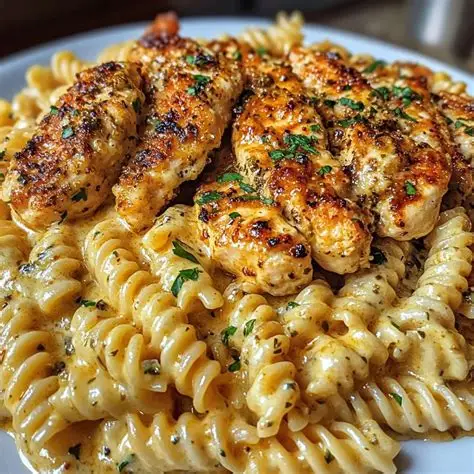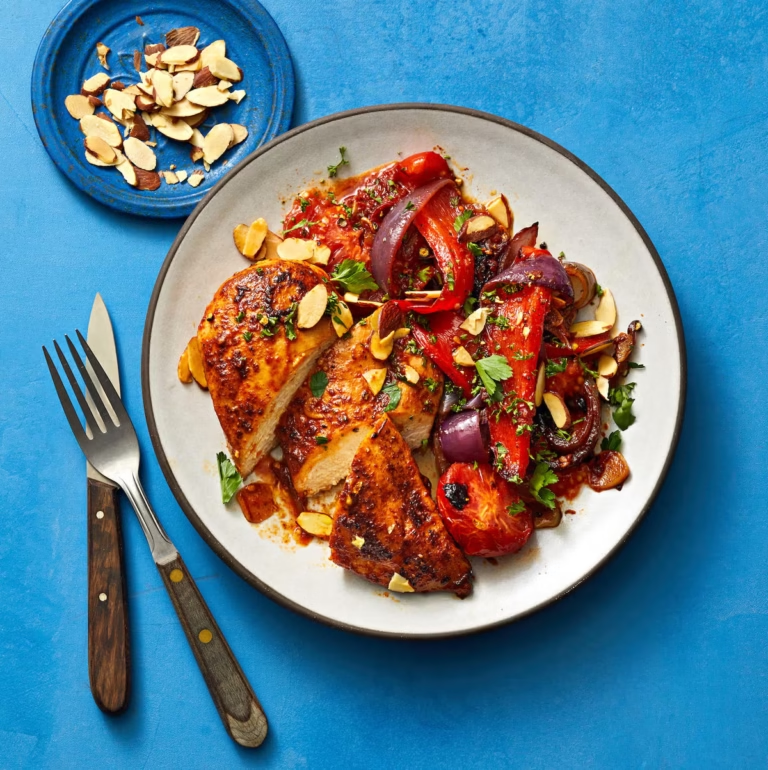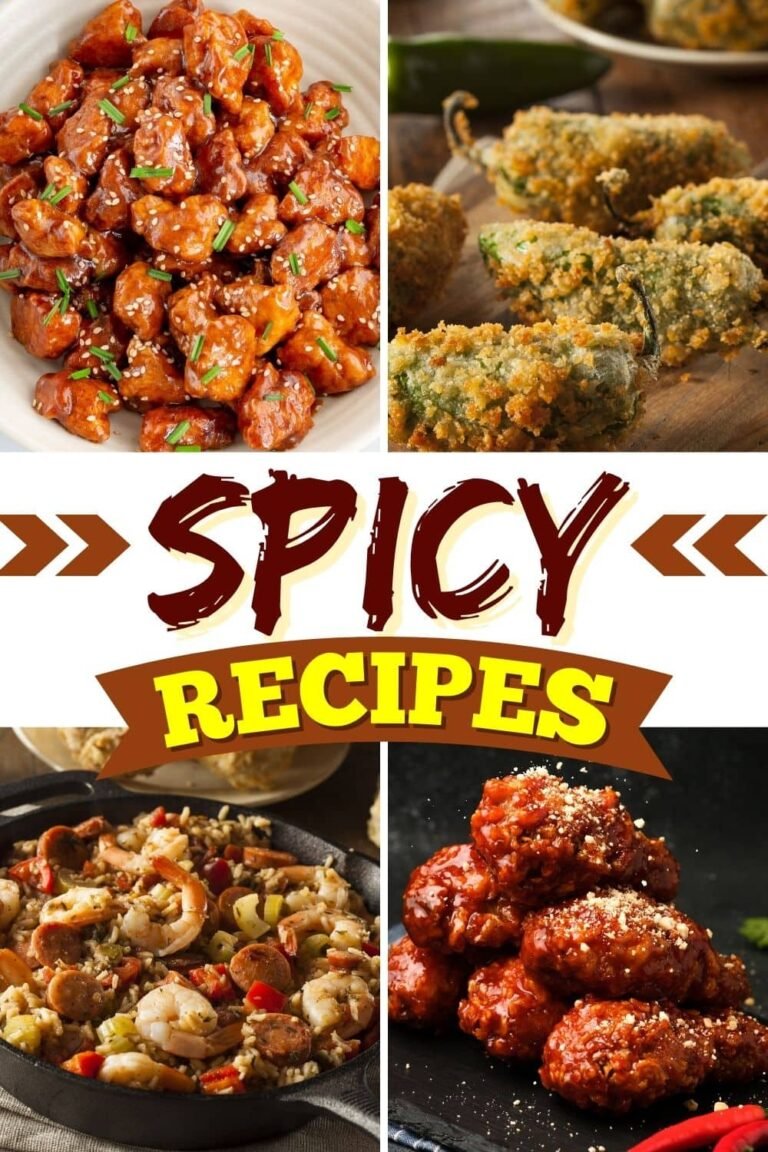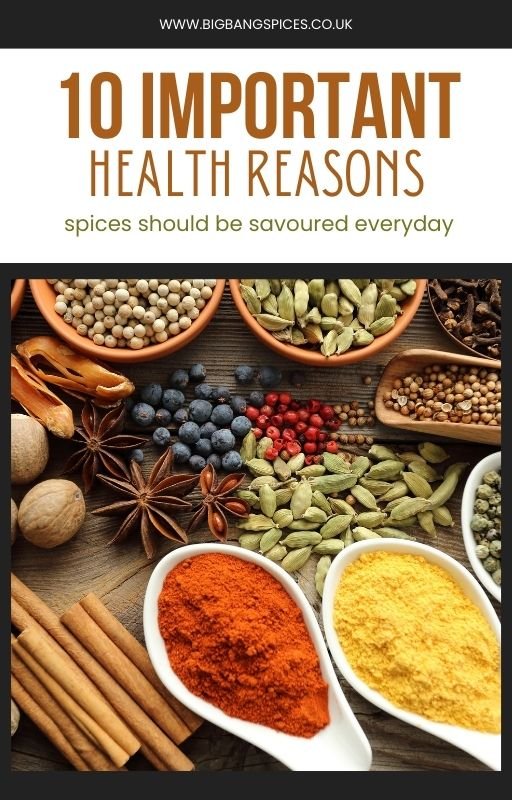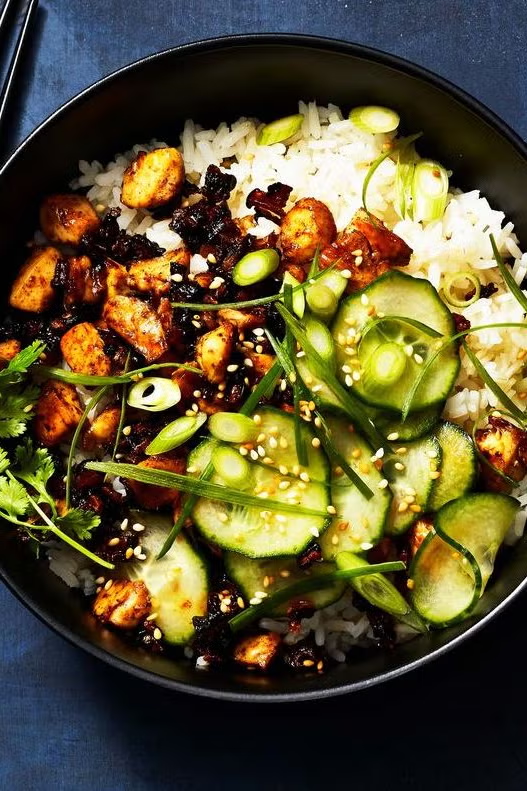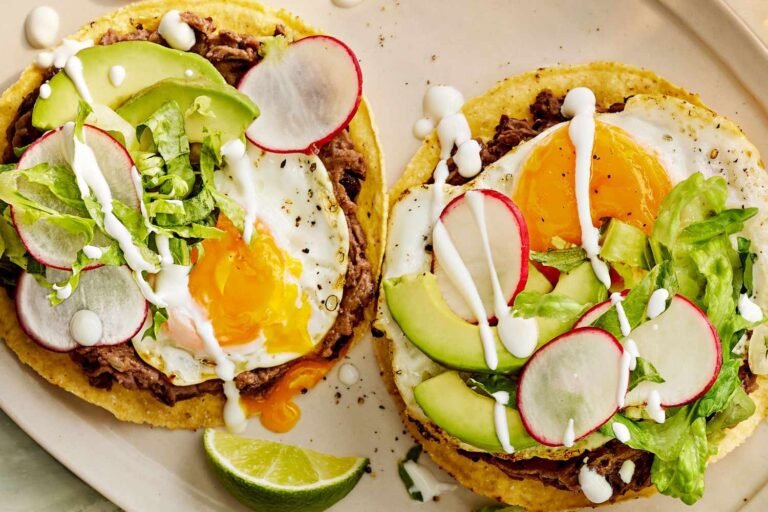
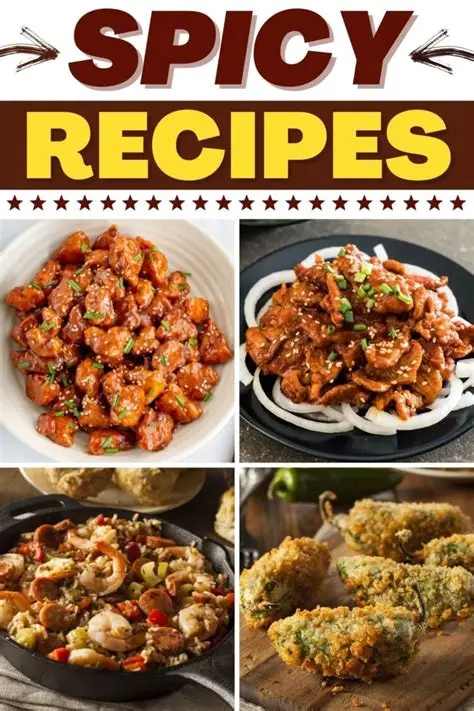
If you love bold flavors and enticing aromas, learning to make spicy recipes at home is a fun way to treat your taste buds. Great spicy dishes are more than just hot; they come from blending the right herbs, spices, fresh ingredients, and cooking methods to create delicious flavors in every bite.
You don’t need to be a restaurant chef to make impressive spicy dishes. Chefs focus on balancing spices, not just adding more chili. Whether you’re making chicken curry, spicy pasta, stir-fried veggies, grilled meats, or flavourful rice, the key is using good ingredients and cooking them in the right order.
This guide will show you how to make spicy recipes with restaurant-style flavor. You’ll learn which spices to keep on hand, get useful cooking tips, find out what mistakes to avoid, and pick up easy ways to adjust the heat so everyone can enjoy your food.
Why Homemade Spicy Recipes Are Worth Making
When you cook spicy food at home, you control every ingredient and flavor. You don’t have to rely on restaurants—you can make fresh dishes just the way you like them, with the perfect amount of heat.
- Fresh ingredients unlock deep, vibrant flavors.
- You can easily fine-tune the chili to your liking.
- Homemade meals are often kinder to your wallet.
- You can tweak recipes to suit both kids and adults.
- Experiment with endless spice combinations.
- Your homemade creations have far fewer preservatives than most takeout options.
A great spicy meal isn’t just about making it hot. The real goal is to balance heat, aroma, sweetness, acidity, and richness so every bite tastes just right.
Spicy Recipes Start with Fresh Ingredients
Every delicious, tasty spicy meal begins with fresh ingredients and good-quality spices. Fresh ginger
- Red chili powder
- Kashmiri chili powder
- Paprika
- Turmeric
- Cumin
- Coriander
- Black pepper
- Garam masala
- Chili flakes
- Fresh green chilies
- Onions
- Tomatoes
- Lemon juice
- Fresh coriander leaves
- Olive oil or cooking oil
With these ingredients ready, it’s easy to make a variety of homemade dishes whenever you’re in the mood.
Kitchen Tools You’ll Need
You don’t need a fancy kitchen to make great meals. You can make most spicy recipes with just a few basic tools.
- Deep cooking pot
- Mixing bowls
- Measuring spoons
- Wooden spoon
- Blender or food processor
- Tongs
- Cast-iron skillet (optional)
How to Build Bold Flavor in Spicy Recipes
1. Start with Aromatics
Chop onions and cook them until they’re soft and golden, then add garlic and ginger. This makes a tasty base for almost any spicy recipe.
2. Toast the Spices
Add dry spices to hot oil for about 30 seconds before adding any liquids. This quick step brings out their natural oils and strengthens the flavor.
3. Add Fresh Ingredients
Fresh tomatoes, herbs, and vegetables balance the spices, adding natural sweetness and a burst of freshness.
4. Taste While Cooking
Chefs add spices a little at a time and taste as they cook, instead of adding everything at once. Taste as you go and adjust the spices until it tastes just right.
End by adding some fresh herbs.
Add fresh coriander, parsley, mint, or basil right before serving to garnish your dish cocolornd a fresh taste.
Popular Signature Spicy Recipes You Can Make
- Spicy Chicken Curry
- Peri-Peri Chicken
- Chicken Tikka
- Buffalo Chicken Wings
- Spicy Beef Stir-Fry
- Chili Garlic Noodles
- Spicy Fried Rice
- Mexican Tacos
- Spicy Shrimp Pasta
- Spicy Vegetable Curry
- Grilled Spicy Fish
- jalapeno Burgers
Although each recipe uses its own mix of spices and cooking methods, the goal is always to create bold flavors, not just lots of heat. Luckily, you can make your dishes less spicy without losing any flavor: plain yogurt or fresh cream.
- Add fresh lemon juice.
- Serve with steamed rice.
- Add more vegetables.
- Use a small amount of honey to counteract the heat.
With a few simple tricks, you can make spicy recipes that everyone will enjoy. crets for Restaurant-Style Spicy Recipes
Some people think restaurants use secret ingredients, but chefs know that great flavor comes from good cooking methods, not fancy extras. A few simple habits can make your homemade spicy recipes taste amazing.
Cook Spices in Stages
Instead of adding all your spices at once, sprinkle them in gradually as you cook. Sauté ground spices briefly in hot oil, then toss in fresh herbs at the end to keep their aroma vibrant.
Use Fresh Ingredients
Fresh garlic, ginger, onions, tomatoes, and herbs give a natural flavor that dried ones can’t match. Use fresh ingredients whenever you can to make your food taste and smell better.
Don’t Rush the Cooking Process
Spicy dishes often taste better when you cook them slowly. Let onions brown, sauces simmer, and spices blend for deeper flavor. Balance Every Flavor
A great spicy dish is about more than just heat. Good chefs balance spicy, salty, sweet, sour, and savoury flavours to make every bite enjoyable.
Common Mistakes When Making Spicy Recipes
Even experienced home cooks make mistakes sometimes. Avoid these common errors to make your dishes taste even better.
- Putting in an excessive amount of chili powder all at once.
- Employing spices that are old and have lost their flavor.
- Cooking the whole recipe over very high heat.
- Skipping fresh herbs.
- Not tasting the food while cooking.
- Adding too much salt before the dish is complete.
- Adding garlic too early and burning it.
Small mistakes can affect the final flavor, so take your time and adjust the seasoning slowly.
Best Spice Combinations for Spicy Recipes
By mixing and matching spices, you can make different meals each time and never have to follow just one recipe.
Chicken Dishes
- Paprika
- Garam Masala
- Cumin
- Black Pepper
- Garlic Powder
- Chili Powder
Beef Recipes
- Black Pepper
- Paprika
- Cumin
- Coriander
- Chili Flakes
Seafood Recipes
- Lemon Pepper
- Cayenne Pepper
- Garlic
- Paprika
- Parsley
Vegetable Recipes
- Turmeric
- Cumin
- Coriander
- Red Chili Powder
- Fresh Coriander Leaves
Cooking Methods That Improve Spicy Recipes
Different cooking methods bring out different flavors, and choosing the right one can make your food taste like it’s from a restaurant.
Grilling
Grilling infuses your food with a smoky flavor that pairs perfectly with spicy marinades.
Roasting
Roasting vegetables brings out their natural sweetness, which balances the heat from chilies and spices.
Stir-Frying
Quick stir-frying keeps vegetables crisp and locks in bold flavors.
Slow Simmering
Letting curries and sauces simmer makes their flavor richer over time.
How to Marinate Meat for Better Flavor
A good marinade helps spices soak deep into the meat before you cook it.
A simple spicy marinade can include:
- Plain yogurt
- Garlic
- Fresh ginger
- Red chili powder
- Paprika
- Garam masala
- Lemon juice
- Salt
- Black pepper
Let chicken marinate for at least 2 hours, or for even better flavor, leave it in the fridge overnight before cooking.
Tips for Serving Spicy Recipes
Serving spicy main dishes with cool, fresh sides makes your meal balanced and satisfying.
- Steamed rice
- Garlic naan
- Fresh cucumber salad
- Mint yogurt sauce
- Pickled onions
- Fresh lemon wedges
These sides complement spicyThese sides go well with spicy dishes and don’t cover up their flavors. Recipes
Properly storing your homemaStoring your homemade spicy recipes the right way keeps their flavor, texture, and freshness. Whether you’ve made a big meal or prepped for the week, good storage helps your food stay safe and tasty. Cool food completely before transferring it to airtight containers. Most spicy dishes, like curries, stir-fries, and grilled chicken, will stay fresh in the refrigerator for up to 3 or 4 days.
Freezing
You can freeze spicy meals for up to three months. To make things easier, divide them into portions before freezing so you only reheat what you need. er medium heat or in the microwave until piping hot. If the sauce thickens too much, stir in a splash of water or chicken stock.
Internal Links
If you liked these spicy recipes, check out more tasty meals on BiteCraft Recipes.
Helpful External Resources
Want to get better at cooking? These trusted websites have great recipes and helpful tips.
Famous Places for Spicy Food Inspiration
These places are known for bold, tasty spicy food, making them perfect for anyone who loves trying new cuisines.
- Lahore Food Street, Pakistan
View on Google Maps - Chatuchak Market, Bangkok, Thailand
View on Google Maps - Mercado de San Juan, Mexico City
View on Google Maps
Frequently Asked Questions About Spicy Recipes
What is it that makes Spicy Recipes taste better?
Rich, well-balanced flavors come from using fresh ingredients, good spices, and the right cooking methods. Could beginners choose? Paprika and Kashmiri chili powder add color and mild heat without making dishes too spicy.
3. What can I do to decrease the amount of heat in a spicy dish?
To make a dish less spicy, add some yogurt, cream, coconut milk, or a bit of lemon juice.
4. Is it possible to prepare the spicy recipes in advance?
Yes, because many spicy dishes taste even better the next day as the flavors develop.
What oil is most suitable for cooking spicy dishes?
Depending on the recipe, you can use vegetable oil, sunflower oil, avocado oil, or olive oil.
Should the spices be cooked before liquid is added?
Yes, briefly cooking spices in hot oil helps release their natural aroma and flavor.
7. Is it possible to freeze spicy dishes?
Yes, most curries, soups, and meat dishes can be frozen for up to three months.
In spicy recipes, which protein works best?
Chicken, beef, lamb, seafood, tofu, and paneer all absorb spices well.
9. Is it healthier to eat meals that are made at home than to have them from a takeout restaurant?
Yes, usually, because you control the ingredients, salt, oil, and spice levels.
10. Which side dishes go well with spicy Steamed rice, naan bread, fresh salad, yogurt sauce, roasted vegetables, and pickled onions all go well with spicy meals. meals.
Final Thoughts
Learning to make spicy recipes at home lets you serve restaurant-quality meals using fresh ingredients and simple techniques. With the right spices, balanced flavors, and a few helpful tips, you’ll impress your family and friends every time.
The best spicy food isn’t always the hottest. Great cooking is about balance—heat, aroma, texture, and freshness all matter. Start with simple recipes, try different spice blends, and build your confidence one meal at a time.
For more homemade recipes, cooking guides, and inspiration, keep exploring the collections on BiteCraft Recipes. Happy cooking!