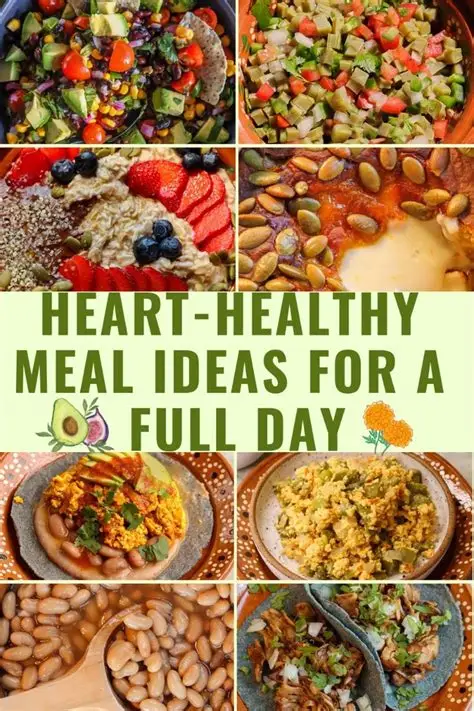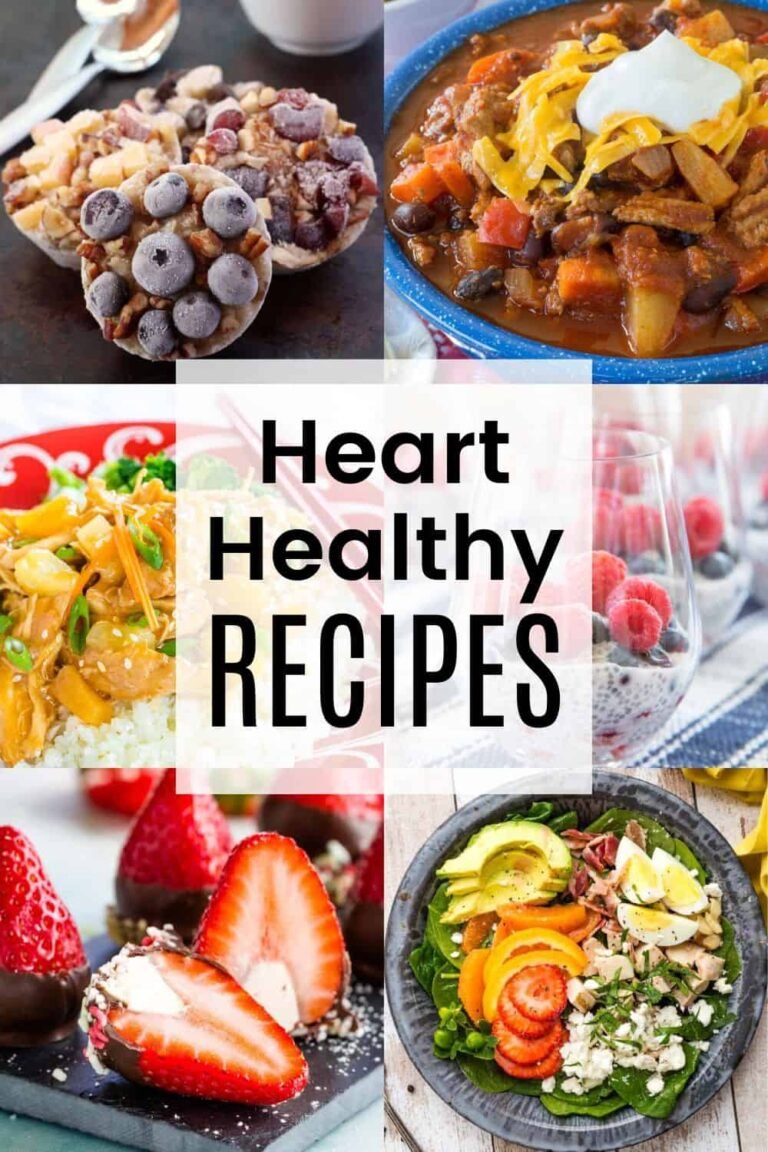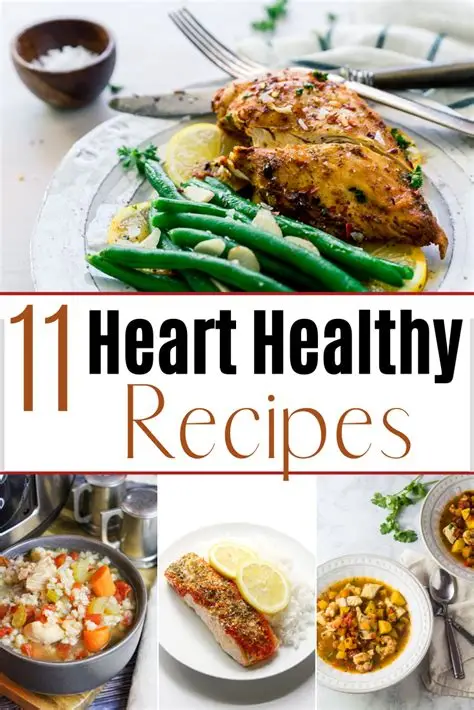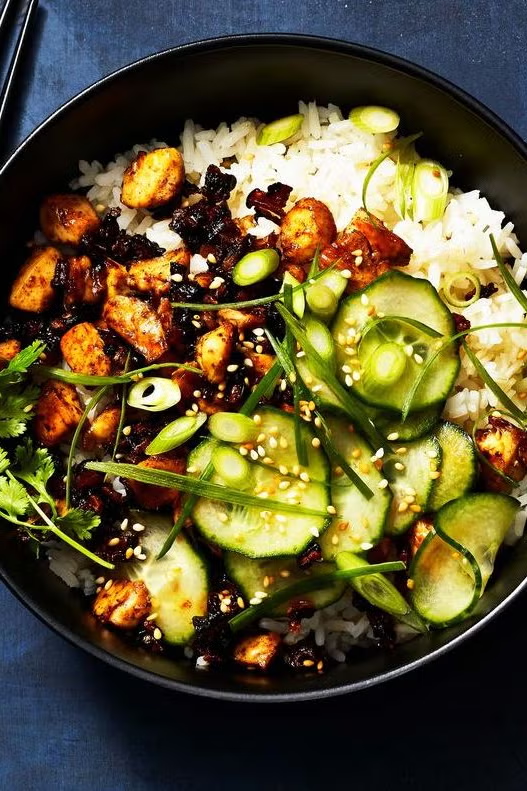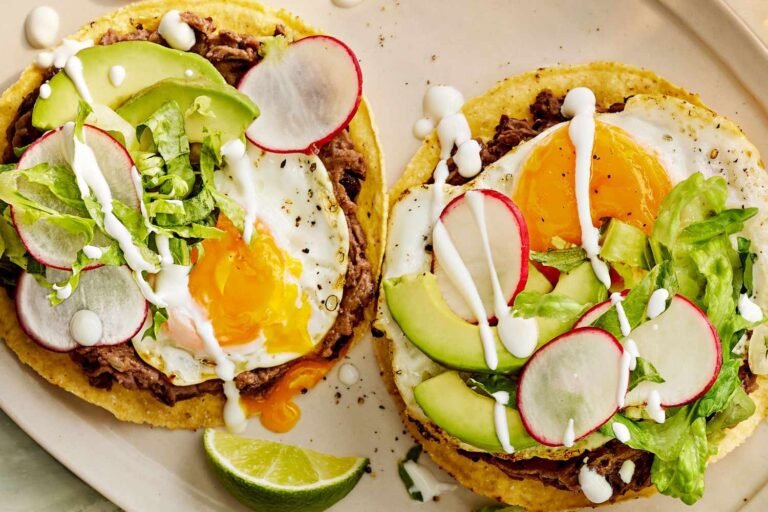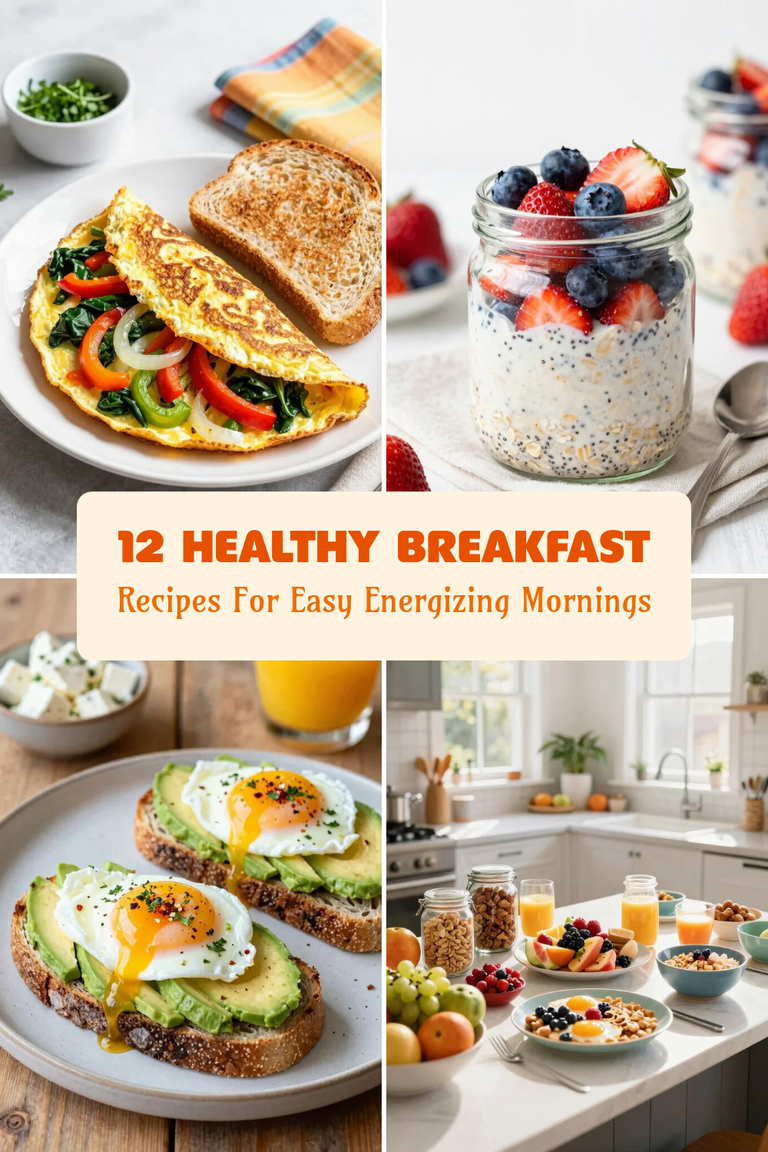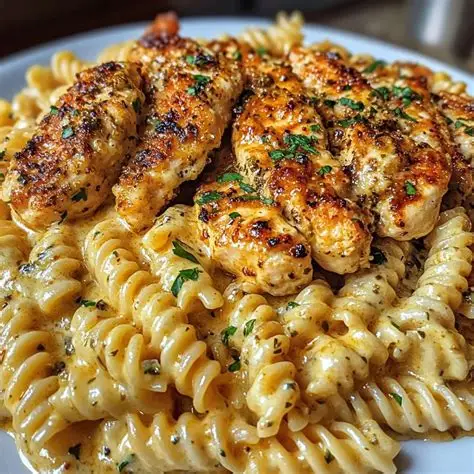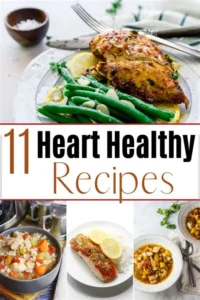
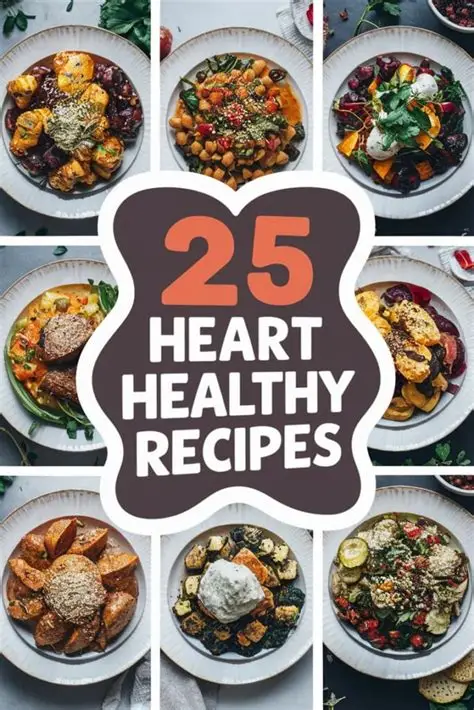
At Bitecraft.recipes, we believe that good food and heart health can go together. These healthy recipes are loaded with fiber, healthy fats, lean protein, and antioxidants, all of which are important in keeping your heart healthy and happy.
1.Oatmeal with Fresh Berries and Nuts
Oats have a soluble fiber called beta-glucan which is known to lower LDL cholesterol. Add blueberries, strawberries and walnuts for some additional antioxidants and omega-3s.
2.Avocado Toast with Whole Grain
Creamy avocado is full of monounsaturated fats to help keep cholesterol levels healthy. Sprinkle with sesame seeds or chili flakes to add flavor.
3.Grilled Salmon with Lemon and Herbs
Fatty fish, such as salmon, are rich in omega-3 fatty acids that help reduce triglycerides and inflammation.
4.Quinoa Roasted Vegetable Bowl
Quinoa is a complete plant protein and is rich in magnesium and fiber, both of which are good for heart health.
5.Spinach Lentil Soup
Lentils are a good source of plant protein, iron and soluble fiber, which help maintain healthy blood pressure and cholesterol levels.
6.Chickpea Cucumber Salad
A refreshing combination packed with fiber, potassium and hydration – ideal for cardiovascular wellness.
7.Mediterranean Style Stuffed Peppers
This dish is a delicious example of the heart healthy Mediterranean way of eating, loaded with brown rice, tomatoes, herbs and olive oil.
8.sauteed Greens with Garlic
The nitrates and antioxidants in kale, spinach or Swiss chard are good for the health of your blood vessels.
9.Berry and Yogurt Parfait
Low-fat yogurt is a source of calcium and probiotics. Berries are rich in powerful heart-protective polyphenols.
10.Almond and Date Energy Bites
These are a great snack with natural sweetness and healthy fats for sustained energy without the processed sugar.
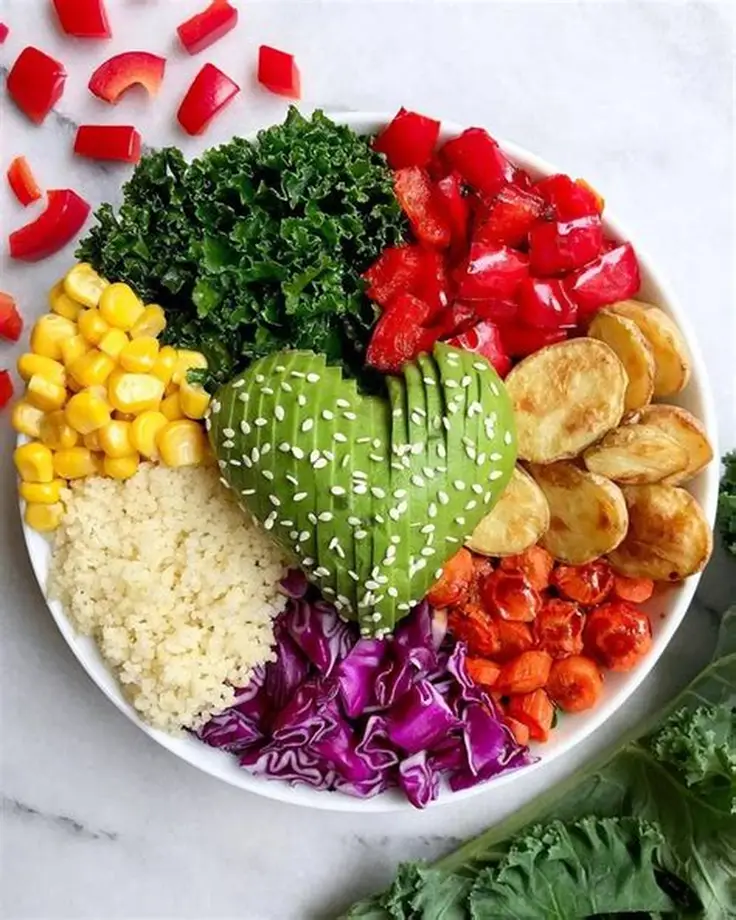
11.Sweet Potato with Black Beans, Baked
Sweet potatoes are high in potassium and fiber, both of which help regulate blood pressure and support heart health.
12.Tomato & Basil Whole Wheat Pasta
Tomatoes contain lycopene, an antioxidant that has been linked to a lower risk of cardiovascular disease.
13.Grilled Chicken and Avocado Salad
Lean protein with healthy fats will fill you up and help your muscles and heart work right.
14.Baked Fish with a Walnut Crust
Walnuts provide crunch and plant-based omega-3s, so this is a double heart-healthy dish.
15.Strawberry & Dark Chocolate Treat
Dark chocolate (70%+ cocoa) in moderation provides flavonoids that may assist with circulation and blood pressure.
Tips for Heart-Healthy Eating
- Choose whole foods over processed foods.
- Cut back on added sugars and sodium
- Use olive oil rather than butter
- Eat a variety of colorful fruits and vegetables.
See More Healthy Recipes
Discover more healthy recipes at our website:
Healthy Breakfast Ideas
Recipes for the Mediterranean Diet
Low-Salt Meal Plans
Outside Resources You Can Trust
American Heart Assn;
Healthy Diet — World Health Organization
National Heart, Lung and Blood Institute
Find fresh ingredients nearby
Buying locally ensures that the foods are fresh and full of nutrients. Use this map to find markets and grocery stores near you. https://www.google.com/maps?q=q=farmers+market&output=embed
You don’t have to sacrifice flavor to eat for a healthy heart. These healthy recipes let you nourish your body and savor every mouthful. Keep it colorful. Keep it powerful. Keep cooking. Bitecraft.recipes
Why Heart-Healthy Meals Are Important
Your heart works hard every second of the day, and what you eat plays a huge role in keeping it strong. High-fiber, nutrient-dense meals filled with healthy fats, vitamins and minerals help manage blood pressure, cholesterol and inflammation. Choosing wholesome ingredients builds a strong foundation for long-term cardiovascular health.
How Healthy Recipes Support Lasting Wellness
Adding healthy recipes into your daily routine gives your body the constant nutrition it needs to perform at its best. These meals focus on whole foods, balanced nutrition and careful preparation, aimed at reducing the risk of chronic disease and supporting long-term energy and vitality.
Healthy Eating Made Fun with Healthy Recipes
One of the biggest myths about healthy food is that it’s not tasty. Wholesome Recipes, in fact, often include fresh herbs, spices and natural textures that make for deeply satisfying meals. When food tastes good and makes you feel good, it’s easier to stick to healthy habits.
Create a Weekly Meal Plan with Healthy Recipes
Planning meals around Wholesome Recipes can help simplify grocery shopping and cut down on processed convenience foods. Having healthy food prepared in advance will mean you always have healthy options available, even on busy days.
Wholesome recipes are a great benefit to families.
Wholesome recipes are great for family meals because they suit all ages. They are also important sources of nutrients for growing children and for adults alike, creating a shared approach to well-being that benefits everyone at the table.
Healthy Eating and Mindful Eating
Cooking and eating Wholesome Recipes teaches you to develop a more mindful relationship with food. Cooking from scratch also makes you more aware of ingredients and portion sizes, so you can enjoy your meals more fully and avoid overeating.
Seasonal Ingredients for Healthy Recipes
Seasonal produce makes Wholesome Recipes tastier and more nutritious. Eat fruits and vegetables when they are in season. They are more likely to be higher in vitamins and antioxidants, which support heart health and overall health.
Healthy Recipes for Busy People
Wholesome Recipes can be fast and practical, even on a full calendar. Simple dishes like grain bowls, hearty salads and one-pan meals provide balanced nutrition without hours in the kitchen, making healthy eating doable every day.
Healthy Recipes to Help You Build Lifelong Habits
Long term health improvements rely on consistency. When you consistently choose Wholesome Recipes you develop habits that are good for your heart, metabolism and overall health. These little daily choices add up to big long-term benefits in time.
The Strength of Whole Foods
Eat whole foods like fruits, vegetables, legumes, whole grains, nuts and seeds that provide natural nutrients without harmful additives. They contain antioxidants and phytonutrients, which help protect blood vessels and promote healthy circulation, unlike ultra processed products. One of the easiest ways to nourish your heart is to build your meals around whole foods.
Heart-healthy fats
Fats are not all created equal. Unsaturated fats can be found in olive oil, avocados, nuts and fatty fish and can help lower bad cholesterol and increase good cholesterol levels. These fats also help support brain function and reduce inflammation, making them an important part of a balanced diet.
Fiber: Your Heart’s Best Friend
Fiber in the diet helps to remove excess cholesterol from the blood stream and stabilize blood sugar levels. Soluble fiber is found in good amounts in oats, beans, lentils, and whole grains. Eating a lot of high-fiber foods over time can greatly cut your chances of developing heart disease.
Cut Back on Sodium, Not Flavor
Too much sodium can cause high blood pressure, which is the leading risk factor for heart disease. Luckily, there are herbs, spices, citrus, garlic and vinegar that you can use to flavor food without salt. This approach will keep meals interesting and is heart healthy.
Stronger Hearts, Brighter Plates
Eating a rainbow of fruits and vegetables gives you a wide variety of nutrients and antioxidants. Deep greens, bright reds, rich purples and vibrant oranges all have compounds that fight oxidative stress and inflammation. A colorful plate is not only pretty, it also suggests a heart-smart meal.
Powering You Up With Protein
Protein keeps your muscles, your immune system, and your feeling of fullness intact. Opt for lean sources like fish, poultry, beans, tofu and low-fat dairy to help reduce saturated fat while still getting the nutrients your body needs to thrive.
Small Change, Big Results
You don’t have to overhaul your diet to improve heart health. Little changes like eating whole grain instead of white bread, eating less fried foods or adding an extra serving of vegetables can make a big difference over time. Perfect is the enemy of consistent.
Home Cooking for More Control
When you cook at home, you have control over the ingredients, portion sizes and cooking methods. This reduces the hidden sugars, unhealthy fats and sodium that are so often found in restaurant and packaged foods. In home cooking you get to choose taste and health.
Developing lifelong healthy habits
Eating right for your heart isn’t a diet you go on and off of. It’s a lifestyle you live. So, enjoy all the healthy recipes and focus on balance, not restriction. You can create habits to keep you feeling great for years to come. “Every healthy meal is an investment in your future health.
Hydration & Heart Function
Hydration supports healthy blood volume and circulation and reduces the workload on the heart. Water helps to transport nutrients, regulate temperature and assist the cells in general functioning. You can make a simple yet powerful change to your heart health by swapping out sugary drinks for water, herbal teas, or drinks with natural infusions.
Potassium-Rich Foods and Their Role
Potassium assists the body in balancing sodium levels and promotes healthy blood pressure. Some foods that naturally contain this essential mineral include bananas, sweet potatoes, spinach, beans and avocados. Adding potassium-rich ingredients regularly can make your heart beat regularly and efficiently.
Inflammation-Fighting Antioxidants
Chronic inflammation is a major driver of heart disease. Berries, leafy greens, nuts and seeds have antioxidants that work to neutralize harmful free radicals that damage cells and blood vessels. A diet high in these protective compounds promotes long-term cardiovascular resilience.
“Smart Snacking for a Healthy Heart”
Snacking can help or hinder your health goals. Opting for nutrient-rich choices such as fresh fruit, unsalted nuts, yogurt or whole-grain crackers helps provide heart-friendly nutrients and keeps energy levels stable. Eating less heavily processed snacks means you eat less unhealthy fats, sugar and salt.
Balance Calories, But Don’t Be Too Restrictive
“Maintaining a healthy weight benefits heart function, but extreme dieting can be harmful. Learning to eat balanced portions, and the quality of the nutrients will help you naturally manage your calorie intake and still feel satisfied and energized throughout the day.
Plant-Based Meals: The Benefits
Plant-forward meals are rich in vegetables, legumes, whole grains, nuts and seeds and low in animal products. This eating pattern has been linked to lower cholesterol levels and healthier blood vessels. Even incorporating a few plant-based meals into your week can make a difference.
Healthy Cooking Methods Count
The way you cook your food can be just as important as what you eat. Baking, steaming, grilling and sauteing with little oil retains nutrients and cuts down excess fat. Deep-frying can be avoided to cut out trans fats and calories you don’t need.
Management of Sugar and Cardiovascular Health
Too much added sugar can lead to weight gain, inflammation and high triglycerides. In addition to being sweet, fruits also contain fiber and vitamins making them a better choice than sugary drinks and desserts.
Be Consistent, Not Perfect
Healthy eating isn’t about never indulging – it’s about overall patterns. And if you make heart-smart choices most of the time, you can indulge once in a while guilt-free. Long term habits are far more effective than short term strict plans.
Building a Supportive Food Environment
It is easier to make healthy choices when you have nutritious ingredients on hand. Fill your kitchen with whole grains, fresh produce, lean protein and healthy snacks so that you’re less likely to grab processed convenience food. You’re supported in an environment that sets you up for long-term success.
Frequently Asked Questions
What are the best foods for heart health?
Fruits, vegetables, whole grains, nuts, seeds and fatty fish are high in fiber, healthy fats and antioxidants that support cardiovascular health.
How often should I eat heart-healthy foods?
Ideally, you’ll keep eating most of your daily meals by heart-healthy principles so you can continue to reap the benefits day after day.
Fats are bad for the heart?
Not all fats are bad. In fact, unsaturated fats from sources like olive oil, avocados and nuts can help protect heart health.
Does food really lower cholesterol?
Yes, a diet rich in soluble fiber and low in saturated fat can reduce LDL (bad) cholesterol levels significantly.
Is Salt Bad for the Heart?
Too much sodium can raise blood pressure, which increases the risk of heart disease. The key is moderation.
Which drinks are good for the heart?
Water, green tea, herbal teas and small amounts of coffee are generally good for the heart.
Are eggs good for your heart?
In fact, most people can fit moderate egg consumption into a balanced diet, particularly when eaten with healthy foods.
Can Good for the Heart Food Tastes Good? Yes!
Certainly. Herbs, spices, citrus and natural ingredients make for flavorful meals without a lot of salt or fat.
The heart and red meat Does red meat harm the heart?
Processed and fatty red meat can increase your risk of heart disease, so eat it sparingly.
How does fiber improve heart health?
Fiber helps reduce cholesterol, control blood sugar levels and promote healthy digestion.
Are plant-based diets good for the heart?
Plant-forward diets have been linked to lower blood pressure, cholesterol and inflammation.
How significant is portion size?
Portion size impacts calorie intake and weight management, which in turn affect heart health.
Do snacks support heart health?
Yes, such as fruits, nuts, yogurt, and whole grain snacks, bring nutrients without the harmful additives.
Does sugar impact heart health?
Eating too much sugar can cause obesity, inflammation and high triglycerides.
Does dark chocolate help the heart?
Dark chocolate with a high cocoa percentage can be good for circulation, thanks to flavonoids, if eaten in moderation.
Do I need to cut out all processed foods?
Highly processed foods tend to be high in excess sodium, sugar and unhealthy fats, so reducing them is recommended.
What does water do for your heart?
Hydration is also important for blood flow and reducing the load on the cardiovascular system.
Dairy products: heart-healthy or heart-unhealthy?
Depending on individual needs, low-fat or fermented dairy choices can be incorporated into a balanced diet.
What is the best cooking oil?
Butter or shortenings high in trans fats are worse than olive oil, avocado oil and other unsaturated oils.
Does a heart healthy diet help with blood pressure?
Eating plenty of potassium, magnesium and fiber helps keep blood pressure at healthy levels.
How fast can diet changes impact the heart?
Some improvements, such as better cholesterol levels, can happen within weeks to months of consistently eating healthy.
Breakfast and heart health Breakfast and heart health
A balanced breakfast can help stabilize blood sugar and prevent overeating later in the day.
Are nuts safe, even though they are high in calories?
Nuts do contain healthy fats, protein and fiber that are good for the heart, in moderate servings.
Do I need supplements for heart health?
While the majority of your nutrients should come from whole foods, healthcare professionals may suggest supplements when necessary.
Are Heart Healthy Meals Good for Kids?
Yes, developing healthy eating habits early on helps promote lifelong cardiovascular health.