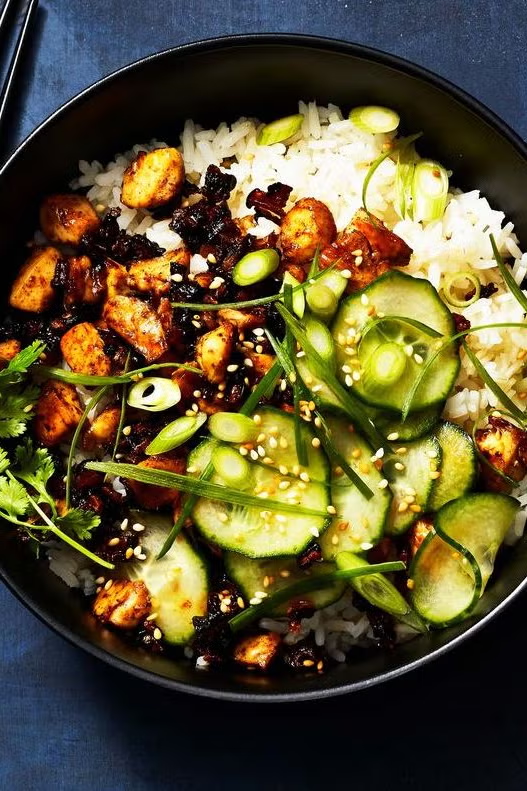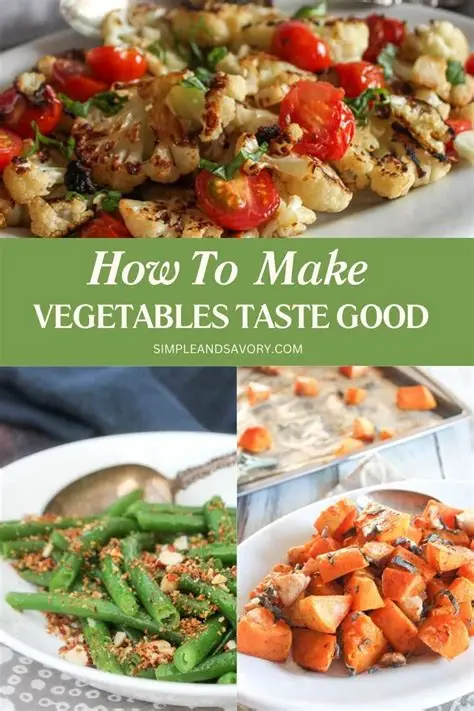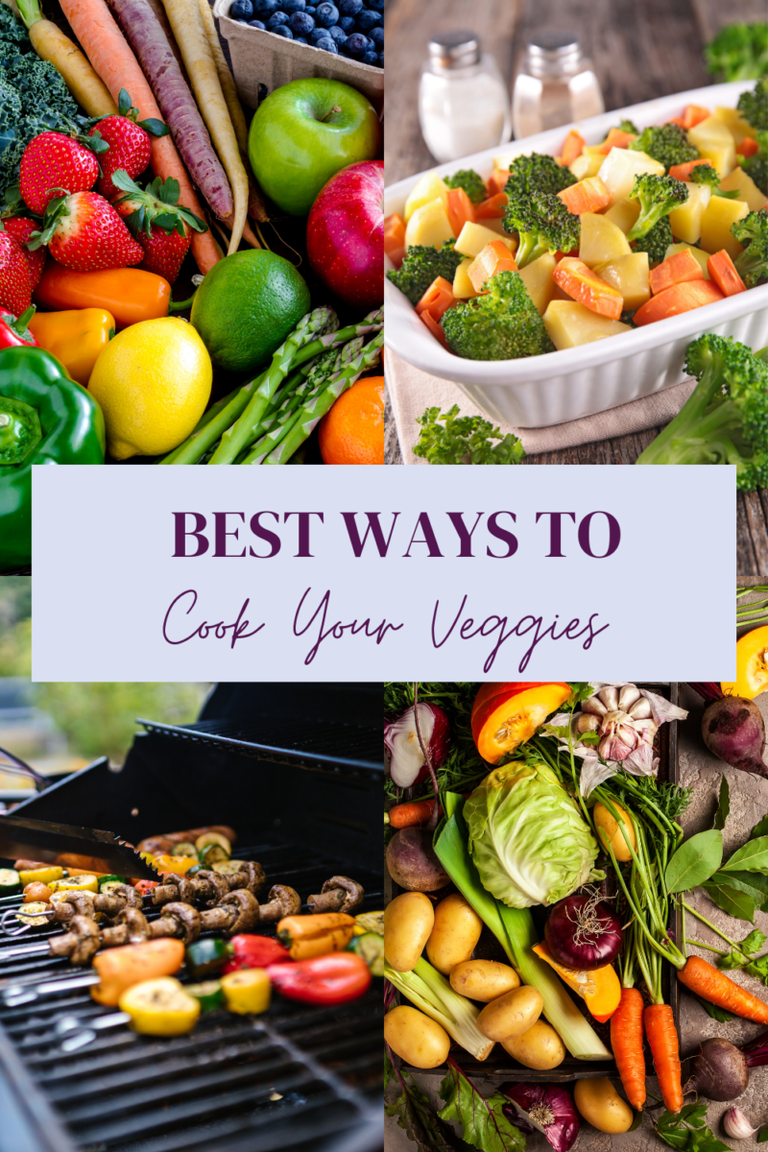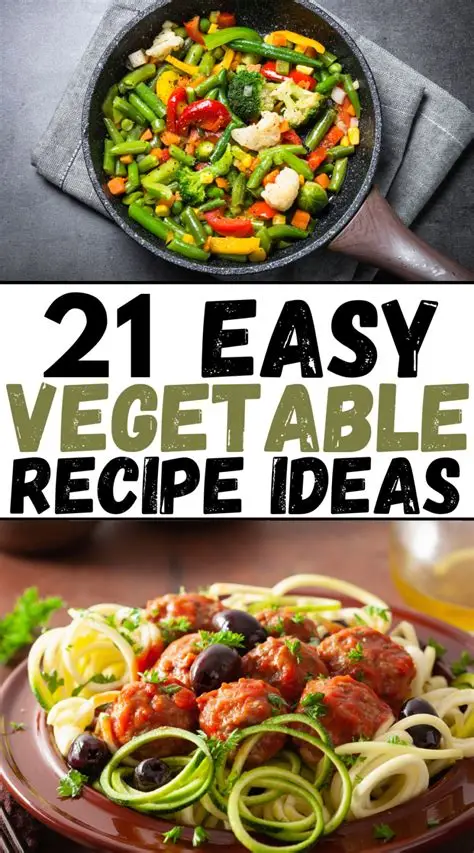
Nutritious vegetable meals with fresh veggies are an excellent option. They are rich in vitamins, minerals and fiber. They will also add color and taste to your table. Fortunately, it’s easy to eat healthy vegetables. Only fresh ingredients and some simple cooking techniques are required.
Why Fresh Vegetables Matter.
Eating fresh vegetables is essential for the body’s nutrition. They aid in digestion, boost energy levels, and promote overall health. There are plenty of vegetables that are naturally low in calories. They are ideal for a balanced diet.
The World Health Organization says a diet rich in a variety of fruits and vegetables can help lower the risk of diseases.
Choose Seasonal Vegetables
Seasonal vegetables tend to be more flavorful. They will be fresh and less expensive. Go to the local markets if you can. Search for solid colors and tactile qualities.
Popular seasonal vegetables are:
- Carrots
- Spinach
- Broccoli
- Bell peppers
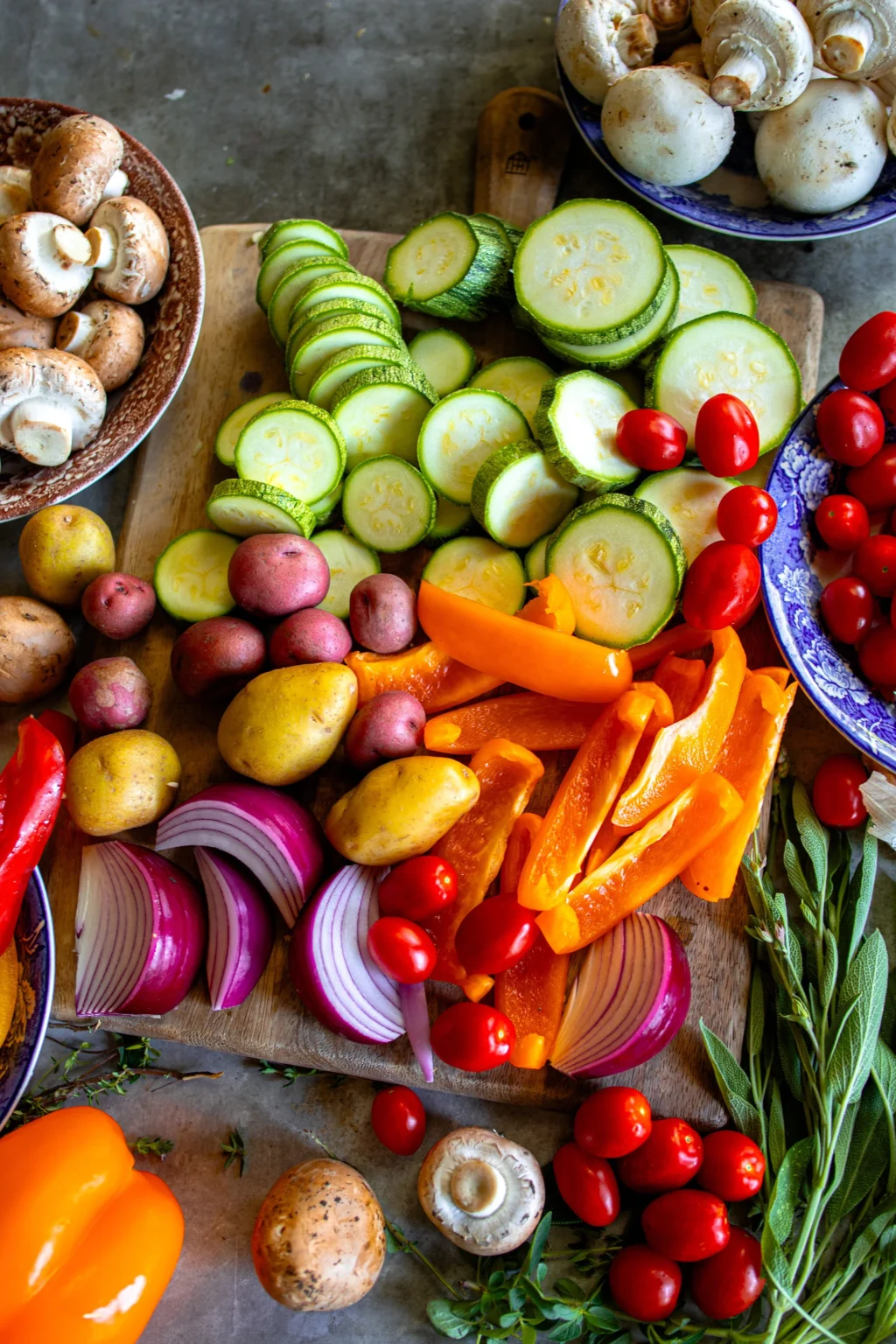
- Zucchini
- Cauliflower
Using fresh ingredients makes all meals more delicious.
Enjoy Balanced Vegetable Meals!
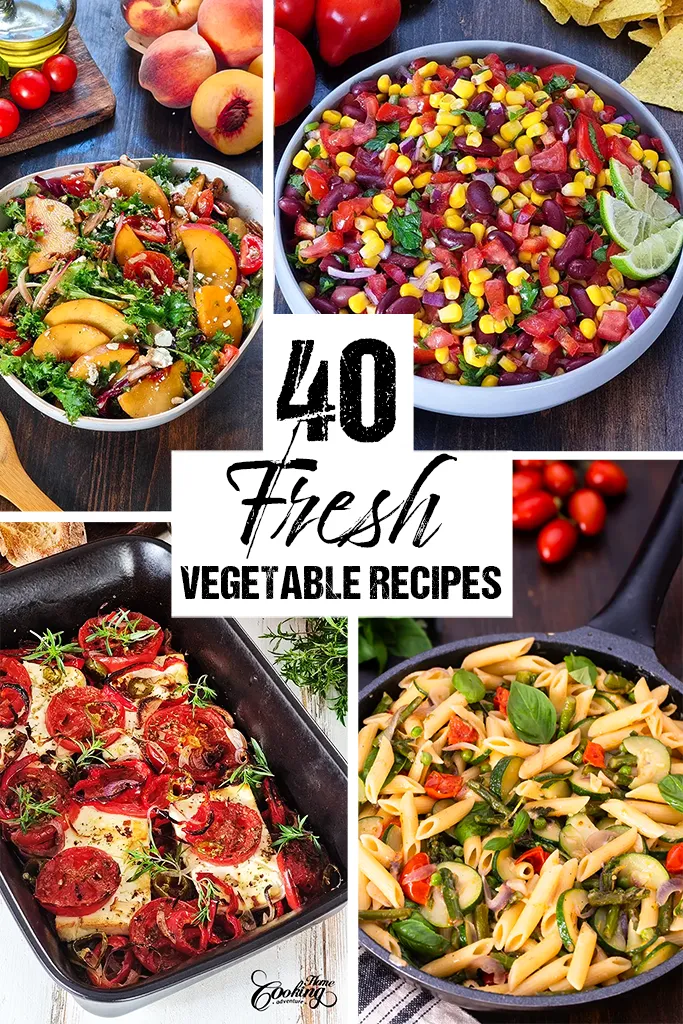
A nutritious meal should be made up of a range of food groups. Combine vegetables with healthy proteins and whole grain foods.
Some basic combinations:
- Roasted vegetables with brown rice
- Tofu and veggie stir-fry
- Serve a mixture of various salad vegetables with grilled chicken.
- Vegetable soup and whole grain bread
- Healthy meals are more satisfying.
- Use methods for cooking that don’t involve excess fat, salt or sugar.
Cooking methods are important for veggies. Nutrient and flavor are retained with healthy cooking practices.
Try these options:
- Steaming
- Roasting
- Grilling
- Cooking in a bit of olive oil.
- Avoid overcooking vegetables. They should be still a bit crunchy.
- Add Flavor Naturally
Eating healthy meals doesn’t mean they’re tasteless. Add herbs and spices to enhance taste.
Great choices include:
- Garlic
- Basil
- Parsley
- Oregano
- Black pepper
- Turmeric
Fresh lemon juice will brighten up many dishes as well.
Create Colorful Plates
Many of the colors of the vegetables can indicate the nutrients that they have. Stick to a variety of colors in your meals as much as possible.
For example:
- Green spinach
- Orange carrots
- Red bell peppers
- Purple cabbage
Colored plates are attractive and offer a greater variety of nutrients.
Vegetable Meals that are Fun to Make!
For inspiration, try out some basic recipes.
Rainbow Vegetable Stir-Fry
Mix broccoli, carrots, peppers and snap peas. Cook them in a hot pan for short time. Serve with brown rice.
Roasted Vegetable Bowl
Roast zucchini, cauliflower and sweet potatoes. Add quinoa and a light dressing.
Fresh Garden Salad
Combine lettuce, cucumbers, tomatoes and carrots. Serve with homemade vinaigrette.
Check out our Easy Weeknight Dinner Recipes for additional healthy meal ideas.
Store Vegetables Properly
Vegetables have a longer shelf life when stored in the proper manner.
Tips include:
- Store leafy vegetables in the refrigerator.
- Keep potatoes in a cool dark location.
- Store cut vegetables in airtight containers.
- Minimizing food waste saves money and provides fresh ingredients.
Jamie and Taryn are making Meal Prep Simple!
Prepare vegetables ahead of time. Wash, chop and put in containers. This will make the cooking process quicker on busy days.
Also, check out our Healthy Meal Prep Ideas for more time-saving ideas.
Avoid adding too many ingredients at once.
Fresh meals don’t require complicated ingredients. Just a few vegetables can make a great meal. Select vegetables that are readily available. Don’t worry about quantity, just focus on quality. Fresh fruits and vegetables tend to taste the best.
Mix Different Textures
Texture adds to the enjoyment of meals. Mix crunchy and soft vegetables in a meal. Toss carrots with spinach salad. Combine roasted veggies with fresh greens. This makes eating more enjoyable.
Keep Portions Balanced
Balance is a key component of a healthy plate. Eat half of your plate with vegetables. Include a protein and whole grain foods. Portion control ensures you have the right amount of energy all day long.
Try some new vegetables!
Explore new vegetables to make food fun! For your next grocery adventure, try a new vegetable that you aren’t familiar with. Know various methods of preparation. Simple modifications can add new tastes to your eating plan.
Use Homemade Dressings
Commercial dressings can have additional sugar and salt. Homemade ones tend to be fresher. Combine olive oil, lemon juice and herbs. This is a basic dressing that can be used with a variety of vegetable dishes.
Use leftovers to create new meals!
Vegetables should not be thrown out. Serve in soups, wraps or grain bowls. This helps to save time and food waste. It also facilitates meal planning.
Try to eat vegetables at each meal.Eat at least 5 servings of vegetables every day.
Eating vegetables does not have to be limited to lunches and dinners. Include spinach in an omelet for breakfast. Add sliced cucumbers to snack foods. Eat little bits of veggies at breakfast, lunch, and snacks.
Eat meals that are colorful.Eat colorful meals.
Food is more likely to be noticed when it is colorful. They offer also many nutrients. Combine red peppers, green beans, orange carrots and purple cabbage. A shiny plate usually helps to promote good eating.
Select fresh flavors when choosing ingredients.
Use fresh ingredients for their natural flavor in meals. Herbs, citrus fruits and vegetables make the best combination. They help to minimize the need for heavy sauces. Fresh flavors make lighter and healthier meals.
Make making healthy habits a slow process.
There are no quick fixes when it comes to healthy eating. Increase the number of vegetables you eat one at a time per meal. Small changes can make big habits. Perfection is not always necessary; sometimes it is enough to be consistent.
Shop with a Plan
By planning beforehand, you can save time and money when shopping. Make a list of vegetables that you need. Read your list and stick to it when shopping. This enables you to steer clear of unneeded purchases and concentrate on healthy ingredients.
Wash Vegetables Properly
Wash produce before preparing or eating. Rinse with running water. Clean and clear away dirt or debris. Washing appropriately helps to maintain meals safe and fresh.
Use vegetables as the centerpiece of your dish.
Vegetables don’t always have to be a side dish. Make foods around them. Make vegetarian dips, soups or casseroles. This is a way to increase your food intake with more nutrients.
Cook in Small Portions
Cook small quantities to keep foods fresh. It also helps in minimizing food waste. Vegetables prepared fresh will taste better than those that have been stored for many days.
Fresh herbs add flavor; try to use them more often.
Fresh herbs can bring a whole new level of flavor to an ordinary meal. Serve parsley, cilantro or basil in vegetable dishes. They taste good, with no additional calories.
Prepare Vegetables Ahead of Time
People’s busy lives can make eating healthy a challenge. Cook vegetables when you have time on your hands. Cut, dice and put them in containers. This will make meal preparation quicker.
Experience a variety of cooking styles!
There are various methods of cooking, and they all produce various flavors. Roast vegetables for a delicious flavor. Steam them for a lighter option. The smoky taste from grilling is a popular flavor.
Add Healthy Toppings
Additions like fresh fruit, vegetables, or cheese can enhance the taste and texture. Top vegetables with seeds, nuts or fresh herbs. Adding these to your meals can improve the satisfaction.
Create Seasonal Menus
Seasonal menus ensure variety to the meal. Rotate vegetables on an annual basis. This gives variety and enables the consumption of fresh produce at its best.
Eat healthy meals with others.
It can be rewarding to cook for family and friends. Healthy veggie dinners are simple to share. They promote good eating habits and make people eat together.
Limit the use of processed foods.
Fresh vegetables can be a substitute for many processed foods. These are lower in additives and higher in natural nutrients. Cooking with fresh produce helps people to adopt a healthier eating habit.
Make Healthy Eating Enjoyable!
It is important that healthy meals are pleasant. Try out tastes and methods of cooking. Differentiate and pick some that you just like. A long-term routine to enjoyable meals is easier to maintain.
FAQS
What is a healthy meal of vegetables?
Dishes made with fresh vegetables are nutritious vegetable meals. They are a rich source of vitamins, minerals and fiber.
What can I do to make my veggie dinners more flavorful?
Spice up with herbs, spices and fresh lemon juice. These ingredients are used to flavor without additional calories.
Can Healthy Veggie Meals Help with Weight Loss?
Yes. The majority of vegetables are low calorie, high fiber foods. These can make you feel satiated for longer.
Which Vegetables Make a Good Addition to Healthy Vegetable Dishes?
Some excellent options include broccoli, spinach, carrots, bell peppers and zucchini. They are rich in nutrients and versatile.
Are there any Healthy Vegetable Recipes that can be made ahead of time?
Yes. Cook vegetables ahead of time and refrigerate for later use.
How Many Times a Day Do I Need to Feed Fresh Veggie?
Try to include vegetables in your daily meals. Balance in nutrition is essential due to variety.
How to Store Vegetables?
Keep them in the way they’re categorized. Generally, vegetables store better in the fridge.
Do kids like to eat meals that are made up of vegetables?
Yes. Children may be more attracted to the color of vegetables and simple recipes can make them more of an attraction to their meals.
Is Frozen Vegetable a Good Choice?
Yes. Frozen vegetables are an easy way to get a nutritious meal ready in no time.
But how can I get more vegetables into my eating?
Include vegetables in salads, soups, sandwiches and side dishes. Little changes can make a big difference.
Is it possible that nutritious meals that include vegetables can boost energy?
Yes. Vegetables are rich in key nutrients that promote overall health and daily energy.
Is it too costly to make nutritious vegetable dishes?
Not always. Vegetables that are in season and/or locally available are often cheaper and more accessible.
What do the proteins pair up with healthy veggie dishes?
Beans, lentils, tofu, eggs, fish and lean meats are good options.
Can Healthy Meals Be Healthy Special Meals?
Yes. Fresh vegetable dishes are colorful, lovely and can be used at gatherings.
In what ways do healthy vegetable recipes contribute to a healthy diet?
They are a major source of nutrients and can be a component of protein-rich, whole-grain meals.